Our Top Picks
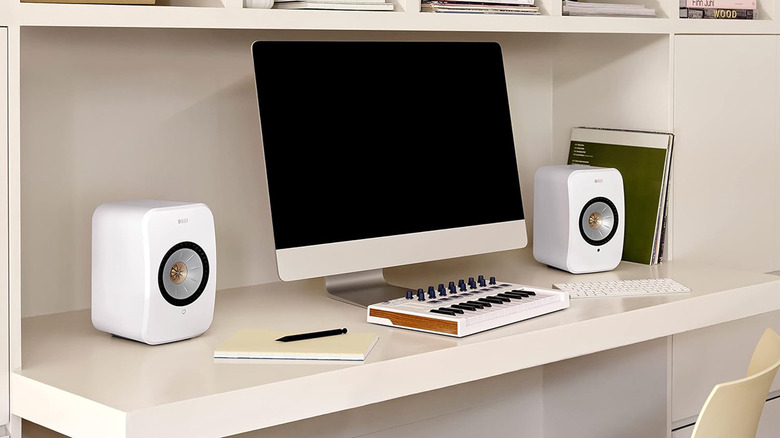
- The Benchmark: KEF LS50 Wireless II – The gold standard for acoustic transparency, utilizing Metamaterial Absorption Technology to eliminate distortion.
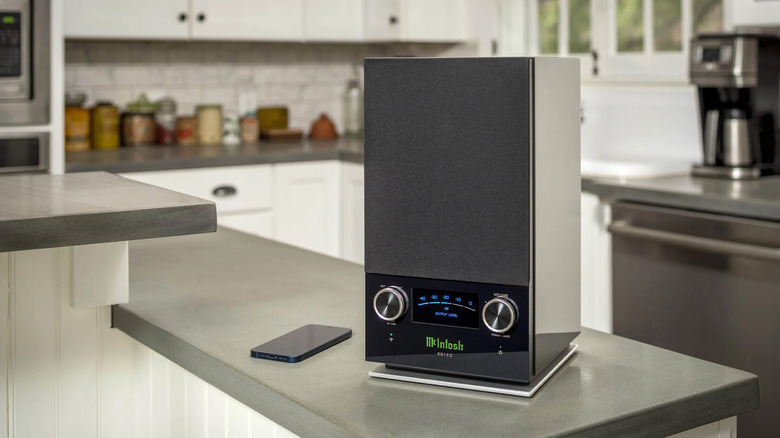
- The Aesthetics: McIntosh RS150 – A powerhouse of high-resolution audio wrapped in legendary industrial design, perfect for those who want their gear to be a focal point.
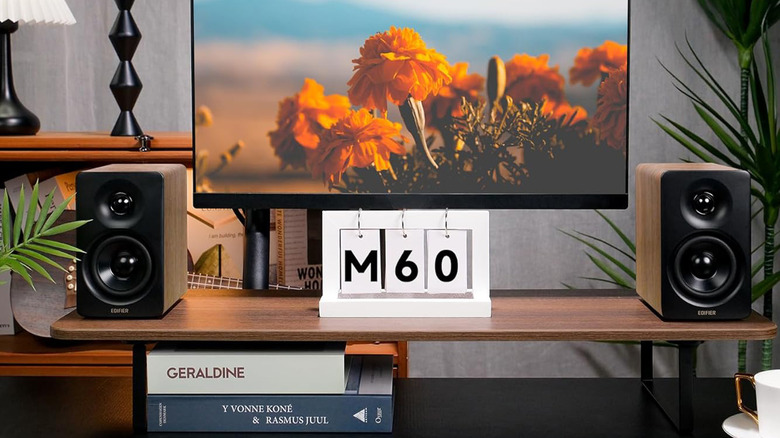
- The Best Value: Edifier M60 – Proof that you don’t need to spend thousands for Hi-Res Audio certification and a balanced, desktop-friendly sound profile.
- The Multi-Room King: Sonos Era 300 – While slightly more consumer-focused, its spatial audio capabilities and ecosystem integration make it a top-ranked pick for modern homes.
Modern audiophile wireless speakers like the KEF LS50 Wireless II and McIntosh RS150 offer true high-fidelity sound by leveraging Wi-Fi streaming for lossless audio. The best wireless speakers for home audio today provide 24-bit/192kHz support and advanced DSP to rival traditional wired setups, effectively bridging the gap between convenience and critical listening.
| Model | Primary Connectivity | Max Resolution | Best For |
|---|---|---|---|
| KEF LS50 Wireless II | Wi-Fi / HDMI eARC | 24-bit/384kHz | Critical Stereo Listening |
| McIntosh RS150 | Wi-Fi / Bluetooth | 24-bit/192kHz | Luxury Performance |
| Sonos Era 300 | Wi-Fi 6 / Bluetooth | 24-bit/48kHz | Spatial Audio / Atmos |
| Dali Rubikore 6 | Wi-Fi / AirPlay 2 | 24-bit/96kHz | Large Room Filling |
| Edifier M60 | Bluetooth / USB-C | 24-bit/96kHz | Desktop / Budget Hi-Fi |
Methodology: How We Ranked the Best Audiophile Wireless Speakers
To find the top-performing audiophile wireless speakers for 2026, we didn't just look at manufacturer spec sheets. Our ranking is the result of a proprietary weighting system that combines technical hardware analysis with aggregated user feedback from specialist audio retailers and forums. We prioritized hardware components that impact real-world performance: the quality of the Digital-to-Analog Converter, the efficiency of Class D amplification, and the presence of advanced driver technology like ribbon tweeters or point-source arrays.
Every speaker on this list was evaluated based on its ability to handle wi-fi streaming hi-fi speakers requirements, specifically focusing on its performance with lossless files. We gave higher scores to systems that offer dedicated stereo pairing rather than single-enclosure solutions, as a true soundstage requires physical separation. Finally, we accounted for the user experience—because a high-end speaker is only "audiophile grade" if its software doesn't get in the way of the music.
The Technical Baseline: Wi-Fi vs. Bluetooth for High-Fidelity Audio
For a long time, the phrase "wireless audiophile" was an oxymoron. The culprit was Bluetooth. Standard Bluetooth codecs like SBC or AAC compress audio data, stripping away the micro-dynamics that define a high-end listening experience. However, the landscape has shifted. The global wireless speaker market is estimated to reach a value of USD 42.13 billion in 2025, driven largely by the transition to Wi-Fi-based systems.
Unlike Bluetooth, Wi-Fi has the bandwidth to handle high-resolution wireless speakers requirements without breaking a sweat. When you use protocols like AirPlay 2, Chromecast, or Roon Ready integration, you are sending bit-perfect data to the speaker. This allows for high-resolution wifi speakers supporting 24-bit 192khz audio to function at their full potential. Furthermore, modern internal DSP (Digital Signal Processing) allows manufacturers to tune the frequency response to the specific room acoustics, ensuring that the tonal balance remains natural and the mid-range clarity is preserved even at lower volumes.
The Elite Tier: Best High-End Wireless Speakers for Large Rooms
When budget is secondary to performance, the elite tier of audiophile wireless speakers offers an experience that can challenge traditional component-based Hi-Fi. In this category, we look for stylish high-end wireless speakers that double as home decor while providing enough power to fill a large living space with a wide soundstage.
The KEF LS50 Wireless II is currently the "all-in-one benchmark." Its Uni-Q driver array acts as a point-source, meaning all frequencies reach your ear at the exact same time. This results in a unified soundstage that feels incredibly lifelike. If you are looking for user-ranked wireless speakers for audiophiles with the best bass response, the McIntosh RS150 is a formidable contender. It doesn't just look like a piece of high-end furniture; it houses a massive woofer and a sophisticated Digital-to-Analog Converter that brings out the warmth in vocal recordings.
Consumer interest in these high-end solutions is peaking, with a 34.6% surge in search volumes for home theater Bluetooth speaker systems and high-fidelity wireless setups during the first half of 2024. This trend highlights a growing desire for the "McIntosh sound" without the "McIntosh rack" of cables.
Versatile Audio: Best Active Wireless Bookshelf Speakers for Home HiFi
For many enthusiasts, the sweet spot lies in active wireless bookshelf speakers with dedicated stereo pairing. Unlike single-box solutions, a pair of active speakers provides the physical stereo separation necessary for an expansive soundstage. The Dali Rubikore 6 and the KEF LSX II are standout examples of this category.
These systems are essentially a complete Hi-Fi system inside two boxes. They feature internal Class D amplification tailored specifically to each driver, eliminating the need for external amps and messy speaker wires. This category is also where multi-room wireless speaker systems compatible with airplay 2 and chromecast become highly relevant. You can have a pair of high-fidelity speakers in the den and a smaller unit in the kitchen, all perfectly synced via your home network.
The Edifier M60 also deserves a mention here as a budget-friendly entry point. While it doesn't have the heritage of Dali, its internal DSP and high-resolution support make it one of the best wireless speakers for home audio in the sub-$500 range, especially for near-field listening on a desk.
Travel & Small Spaces: Portable Audiophile Solutions
Being an audiophile shouldn't mean being tethered to your living room. The latest generation of portable audiophile bluetooth speakers with ldac support for travel allows you to take high-fidelity sound on the road. Codecs like LDAC and aptX Adaptive have significantly narrowed the gap between wired and wireless Bluetooth performance.
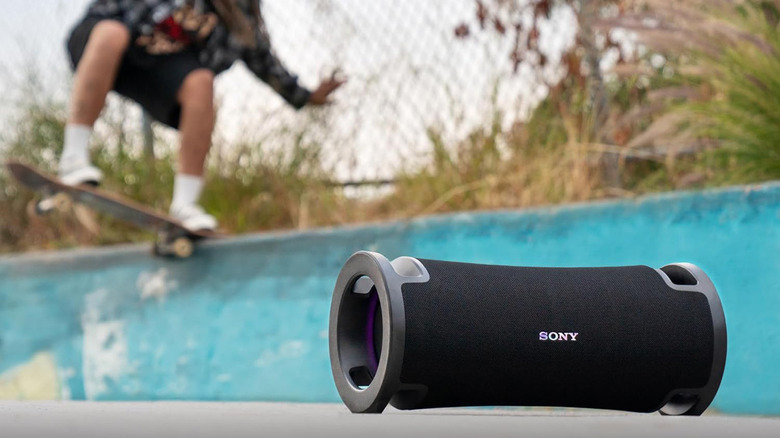
Models like the Bang & Olufsen Beosound A1 and the Bose SoundLink Max offer a surprising amount of mid-range clarity for their size. While they may not offer the 24-bit/192kHz resolution found in stationary Wi-Fi units, their Hi-Res Audio certification ensures that they can reproduce a frequency response that exceeds the limits of standard human hearing, providing a sense of "air" and detail that cheaper portable units lack. For those who want more power outdoors, the Sony Ult Field 7 provides a robust bass response that remains controlled, avoiding the muddy "boominess" associated with most consumer-grade portable speakers.
Conclusion: Finding Your Perfect Sound
Choosing between the myriad of audiophile wireless speakers available today ultimately comes down to your room size and how you consume your music. If you are a critical listener who uses Tidal or Qobuz, a Wi-Fi-enabled system with 24-bit support is mandatory. If you value convenience and aesthetics, brands like McIntosh and B&W offer iconic designs that sound as good as they look.
As we look toward 2030, the technology will only continue to improve, with a projected compound annual growth rate of 23.36% for the wireless speaker market. We are entering an era where the "wireless" tag no longer carries a performance penalty. Whether you are setting up a dedicated listening room with the KEF LS50 Wireless II or just want a high-quality desktop companion like the Edifier M60, the fidelity you've been looking for is finally untethered.
FAQ
Can wireless speakers truly offer audiophile sound quality?
Yes, modern wireless speakers can offer genuine audiophile quality by using Wi-Fi for Lossless audio transmission. When connected to a home network, these speakers bypass the compression issues of Bluetooth, allowing high-resolution data to reach the internal Digital-to-Analog Converter intact. Systems like the KEF LS50 Wireless II are designed from the ground up to rival traditional wired bookshelf setups in transparency and detail.
What is the difference between Bluetooth and Wi-Fi speakers for high-fidelity audio?
The primary difference is bandwidth. Bluetooth is a "lossy" connection, meaning it compresses audio data to fit through a narrow pipe, which results in a loss of fine detail. Wi-Fi has a much higher bandwidth, supporting bit-perfect Lossless audio and high-resolution streams up to 24-bit/192kHz. For critical listening, Wi-Fi is the superior choice, while Bluetooth is better suited for portability and convenience.
Can you stream high-resolution audio wirelessly?
Absolutely. Most high-end audiophile wireless speakers now include support for high-resolution streaming via platforms like Roon, Tidal Connect, and Spotify Connect. To achieve this, the speaker must have a high-quality internal Digital-to-Analog Converter and be connected via Wi-Fi or Ethernet. This setup allows you to stream files that are superior to CD quality without any physical cables between the source and the speaker.
What are the pros and cons of active vs. passive wireless speakers?
Active wireless speakers have built-in amplifiers specifically tuned to their drivers, which often results in better tonal balance and mid-range clarity. They are "all-in-one" solutions that save space. Passive speakers require an external amplifier and cables, which offers more customizability but takes up more room. For most wireless enthusiasts, active systems are preferred because the internal DSP can be optimized perfectly for the speaker's cabinet design.
Is Bluetooth compression a problem for audiophile listeners?
It can be, but new codecs like LDAC and aptX Lossless are changing the conversation. While standard Bluetooth (SBC) still struggles with high-frequency detail, these advanced codecs allow for much higher bitrates. For casual listening or travel, these codecs provide a level of fidelity that satisfies many audiophiles, though Wi-Fi remains the gold standard for home systems where soundstage and absolute transparency are the priorities.