Quick Facts
- Critical Deadline: Popular models like the Redmi Note 12 5G and Redmi 12C will reach End-of-Life (EOL) status in 2026, losing all security support.
- US Support: Carriers like AT&T and Verizon often block these devices; T-Mobile remains the only semi-reliable option for coverage.
- Hidden Diagnostic: Use the dialer code *#*#6485#*#* to access the battery health menu, specifically looking for the MB_06 value.
- Software Policy: Most budget Redmi devices released before 2024 are limited to only two major Android upgrades.
- Ad Revenue: Xiaomi utilizes system-level advertisements and high volumes of pre-installed bloatware to offset narrow hardware profit margins.
- Safety Risk: Using a device past its EOL date increases vulnerability to firmware bugs and eventual incompatibility with banking or financial applications.
Redmi phones offer incredible value, but by July 2026, several popular models face critical redmi phone issues that could make them unsafe or unusable. From the Xiaomi software update policy reaching its limit to persistent Redmi phone ads and bloatware, and rising Redmi battery life concerns, you need to verify these three deal-breakers before spending your money. The most common redmi phone issues involve limited software support cycles ending in 2026 for models like the Note 12, aggressive system ads caused by low hardware profit margins, and specific network band limitations for US carriers.
The 2026 Software Support Cliff
When you pick up a mid-range device, you expect it to last more than a couple of seasons. However, the Xiaomi software update policy has historically been much shorter for the Redmi line compared to the flagship Xiaomi series. For years, budget-friendly models were capped at two years of Android upgrades and three years of security patches. We are now approaching a massive support cliff that current buyers need to be aware of.
By March and October 2026, the support window closes for a generation of devices that are currently very popular on the secondary market. The redmi note 12 software update end date is a particularly sharp deadline for millions of users. Once a phone hits this End-of-Life (EOL) milestone, Xiaomi stops releasing security patch cycles. This isn't just about missing out on new emojis; it is a fundamental security risk. Without these patches, firmware bugs remain unpatched, leaving your personal data and banking apps vulnerable to exploits.
| Model Name | Estimated EOL Date | Support Status |
|---|---|---|
| Redmi Note 12 5G | March 2026 | Security Patches End |
| Redmi 12C | January 2026 | Security Patches End |
| Redmi 13C | October 2026 | Security Patches End |
| Redmi Note 13 Pro 5G | January 2028 | Active Support |
This operating system fragmentation is a frequent headache for budget consumers. While Xiaomi has recently promised four years of major updates for newer models, the impact of xiaomi hyperos on older redmi devices is often less than stellar. Older hardware struggles with the system ui optimization requirements of the new OS, sometimes leading to more lag rather than less. Before you buy, always check if your chosen model is on the 2026 EOL list to avoid carrying a digital paperweight in two years.

Regional Network and Compatibility Traps
If you are a traveler or a resident in North America, the redmi phone network compatibility us carriers 2026 situation is one of the most significant redmi phone issues you will face. Unlike global flagships that support dozens of carrier frequency bands, Redmi devices are often localized. They are built for Asian and European markets, meaning they lack the essential "700 MHz" bands (like Band 12, 14, 17, or 71) that US carriers like AT&T and Verizon rely on for indoor coverage and long-range connectivity.
According to a 2024 survey, approximately 17% of Redmi users have encountered persistent connectivity issues, including unstable WiFi and mobile network drops. This is often due to the hardware being forced to work with sub-optimal frequencies. Furthermore, even if the bands match, VoLTE compatibility is a recurring nightmare. Many US carriers have "whitelists," and if your Redmi model isn't on that list, your phone might lose calling capabilities entirely as carriers finish their 3G and older 4G service sunsets.
If you are planning to use a Redmi device in the US, T-Mobile is usually your best bet, but even there, you may experience significant "dead zones" inside buildings. Always cross-reference the device's tech specs with the specific LTE and 5G bands of your provider before committing to the purchase.
Long-term Hardware Wear and System Ads
The third deal-breaker is a combination of hardware longevity and the "hidden cost" of the Xiaomi ecosystem. To keep their hardware profit margins slim and prices low, Xiaomi integrates Redmi phone ads and bloatware directly into the OS. These pre-installed applications can clutter your storage and eat into your RAM, causing performance lag during gaming or multitasking.
Beyond the software, hardware reliability varies. Repair center statistics indicate that nearly one-third of all hardware service requests for Redmi smartphones involve screen-related failures, such as cracks or loss of touch sensitivity. Furthermore, there is a known issue with mid-range display panels. Approximately 75% of budget Redmi devices featuring Tianma-branded IPS panels have been reported to experience 'Ghost Screen' artifacts, a form of persistent image retention that can be incredibly distracting.
Then there are the Redmi battery life concerns. Over three or four years, lithium-ion degradation is inevitable, but mid-range processor limitations often mean the phone has to work harder, accelerating heat and wear.
How to check redmi phone battery health percentage
If you are buying a used Redmi phone, do not rely on the standard settings menu, which often hides the true state of the cell. Follow this step-by-step guide to unlock the hidden diagnostic data:
- Open the Phone/Dialer app.
- Type the secret code: *#*#6485#*#*
- A new screen titled "Battery Info" will appear.
- Look for the code MB_06. This represents the battery health status (e.g., "Good").
- Look for MF_02, which shows the total number of charge cycles. If this number is above 500, the battery has likely lost significant capacity.
- Look for MF_05, which shows the current actual capacity.
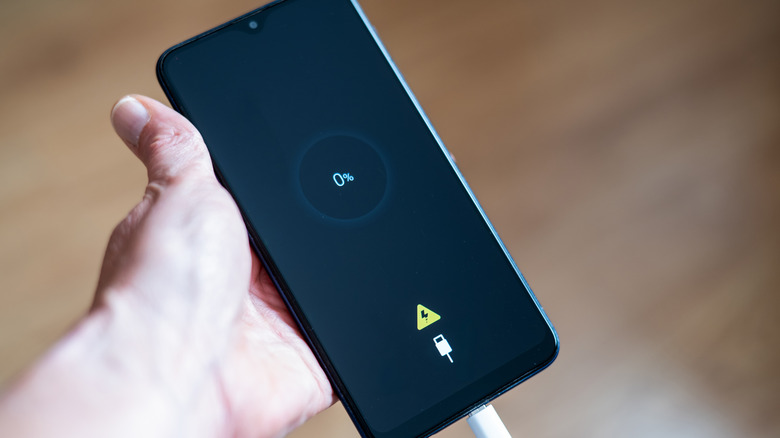
Knowing these numbers can save you from the cost of original redmi phone battery replacement, which can be high relative to the value of an older phone.
Sarah’s Pro-Tip: Disabling System Ads To reclaim your device from aggressive marketing, you need to perform a step by step guide to disable xiaomi system ads. Go to Settings > Passwords & Security > Authorization & Revocation and toggle off msa (MIUI System Ads). Additionally, go into the settings of individual apps like File Manager and Security to turn off "Recommendations."

Verdict: Buy or Wait?
Redmi phones remain some of the best value-for-money propositions in the mobile world, but they are not "buy and forget" devices. The looming 2026 support cutoff for the Note 12 series and others means your "new" phone might only have 18 months of safe usage left. If you are a heavy user who values privacy and long-term stability, I suggest waiting for the newer Note series models that fall under the improved Xiaomi software update policy or looking at refurbished flagships that offer better carrier compatibility.
FAQ
What is the problem with Redmi phone?
The most significant redmi phone issues involve aggressive system-level advertisements and a short software support lifecycle. Many users also report significant hardware degradation, such as screen ghosting and battery wear, after two years of consistent use.
What is the weakness of Redmi phones?
The main weakness is the Xiaomi software update policy for its budget tiers, which often leaves devices without critical security patches much sooner than competitors like Samsung or Google. Additionally, their lack of diverse carrier frequency bands limits their usability in regions like North America.
Is it safe to use Redmi phones?
It is safe to use Redmi phones as long as they are within their active support period. However, once a model reaches its End-of-Life (EOL) status—such as the upcoming 2026 deadlines for the Note 12 series—the lack of security patches makes the device vulnerable to firmware bugs and hacking, making it less safe for banking apps.
What is the common problem of Redmi?
Common problems include excessive pre-installed bloatware that slows down system ui optimization and hardware-specific issues like the 'Ghost Screen' effect on models using Tianma IPS panels. Connectivity drops and network incompatibility with international carriers are also frequently cited by global users.