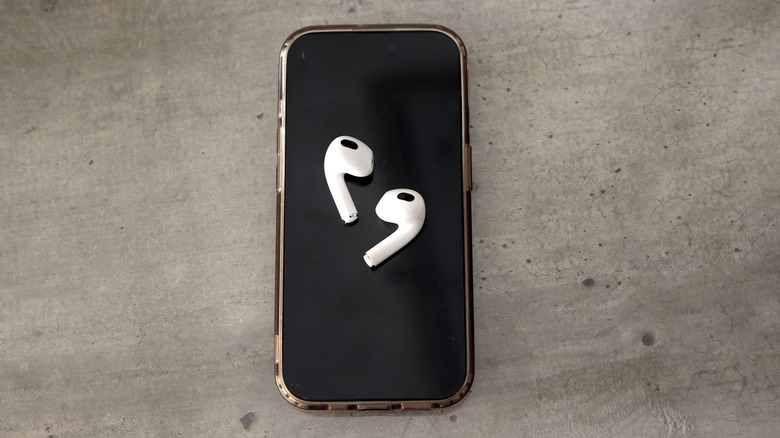
As a mobile devices editor, I spend a significant portion of my week looking at teardown reports and architectural diagrams of the latest flagship phones. To the average user, the disappearance of the 3.5mm port was an annoying push toward expensive wireless earbuds. But when you look at a device from the perspective of a mechanical engineer, that legacy port starts to look like a massive, inefficient anchor dragging down the potential of modern hardware.
Quick Facts
- Primary Driver: Smartphone internal space optimization for larger batteries and sensors.
- Volume Reclaimed: Engineers save between 200 to 400 cubic millimeters of internal room.
- Battery Gains: Space saved contributed to roughly 22.5% of the iPhone 7 battery capacity increase.
- Durability Impact: Removing the port simplifies smartphone water resistance engineering for IP68 ratings.
- Physical Limit: The 3.5mm socket is 6-7mm deep, making it incompatible with ultra-thin chassis.
- Hardware Shift: Replaced by larger haptic motors, multi-lens camera arrays, and bigger battery cells.
Headphone jack removal is more than a trend; it's a technical necessity for modern devices. By eliminating the 3.5mm port, engineers achieve better smartphone internal space optimization, allowing for larger batteries and improved haptics.
Reason 1: Internal Volume and the Taptic Engine
When we talk about the interior of a smartphone, we are talking about one of the most expensive pieces of real estate on the planet. Every cubic millimeter is fought over by different engineering teams. The 3.5mm headphone jack is a "dumb" component—it is a hollow plastic and metal cylinder that takes up a surprising amount of room without contributing to the processing power or screen quality.
The primary reason for headphone jack removal is to reclaim 200 to 400 cubic millimeters of internal volume for critical components like larger haptic motors and increased battery capacity. To put that in perspective, in the design of the iPhone 7, the removal of the headphone jack provided enough internal space to contribute to an estimated 22.5% of the device's total 245 mAh battery capacity increase over the previous model.
Beyond the battery, engineers wanted to revolutionize how we interact with our screens. The transition from physical home buttons to haptic-based virtual buttons required a massive upgrade in vibration technology. In Apple's case, the Taptic Engine needed to sit exactly where the old headphone jack used to be. By removing the analog port, they could fit a much larger motor that provides the crisp, localized feedback we now take for granted. This is a classic example of smartphone internal space optimization: trading a single-purpose analog port for a multi-purpose digital experience.
Furthermore, the modern PCB layout is increasingly crowded. As we move toward 5G antennas, which require more space and specific placement to avoid signal interference, the headphone jack becomes a logistical nightmare for component density. Engineers are now using that reclaimed space to fit advanced camera sensors that are physically deeper than those of five years ago. Without the headphone jack removal, your phone would either need to be significantly thicker or have a much smaller battery. This highlights the internal hardware components replacing the headphone jack as the real heroes of modern mobile performance.
The impact on how headphone jack removal improves phone haptics cannot be overstated. A larger haptic motor doesn't just vibrate the whole phone; it can simulate the feel of a dial, a click, or a heartbeat. Achieving this level of precision requires physical volume that the 3.5mm jack was simply hogging.
Reason 2: Advanced Water Resistance Engineering
For years, the "open" nature of the 3.5mm jack was a primary failure point for electronics. If you look at an old phone with a jack, you’ll see a large hole leading directly toward the heart of the device. While some manufacturers managed to waterproof the jack using internal coatings, it was an expensive and often unreliable process.
Eliminating the dedicated audio port reduces potential ingress points for water and dust, assisting modern smartphones in achieving IP68 ratings for submersion in up to 1.5 meters of water for 30 minutes. Smartphone water resistance engineering has shifted away from trying to plug individual holes to creating a "sealed monolith" design.
A 3.5mm jack requires a complex mechanical gasket system to stay sealed. Because the jack is a high-wear component—users are constantly plugging and unplugging headphones—those gaskets eventually wear out, leading to leaks. By removing the port, manufacturers can use specialized adhesive gaskets and more permanent seals around the remaining ports, like the charging port and speakers.
This shift to a more sealed design is part of a broader trend in Ingress Protection. When a device has fewer mechanical vulnerabilities, it is easier to manufacture at scale with consistent durability. For the user, this means a phone that can survive a drop in the pool or a heavy rainstorm without the lingering fear that water is sitting inside an analog socket, slowly corroding the internal pins. The miniaturization of internal components and the removal of large entry points are the cornerstones of modern smartphone water resistance engineering.
| Feature | With 3.5mm Jack | Without 3.5mm Jack |
|---|---|---|
| Ingress Points | High (Large open port) | Low (Sealed chassis) |
| Seal Durability | Subject to mechanical wear | Static adhesive seals |
| Typical IP Rating | IP67 or lower | IP68 (Standard) |
| Internal Complexity | High (Requires dedicated gaskets) | Low (Simplified frame) |
Reason 3: The Physical Limit of Thin Smartphone Design
As a lifestyle tech editor, I’ve seen the industry’s obsession with the slim form factor. We are currently seeing devices that approach or even dip below the 6mm mark. Here is the technical problem: a standard 3.5mm socket has a physical depth of 6-7mm. You literally cannot fit the socket into the frame without the port bulging out of the front or back of the device.
The legacy 3.5mm port has become a physical liability in thin smartphone design trade-offs. If a manufacturer wants to create an ultra-slim device, the jack is the first thing that has to go because its size is dictated by a standard set in the 1950s. You cannot shrink a 3.5mm jack; if you do, it’s no longer a 3.5mm jack.
This shift has forced a transition to multi-functional ports like USB-C. Because USB-C handles data, power, and audio, it allows for extreme miniaturization of the external interface. Additionally, removing the internal Digital-to-Analog Converter (DAC) specifically dedicated to the headphone jack helps reduce analog interference within the chassis. In a modern setup, the DAC is often moved to the usb-c to 3.5mm adapter or inside the wireless earbuds themselves.
This consolidation is a major part of industrial design. By moving the heavy lifting of audio processing outside the phone's body, engineers can focus on making the device more durable and thin. However, this creates design challenges of thin smartphones with 3.5mm ports, as manufacturers have to choose between a "hump" for the jack or a thicker overall phone. Most have chosen to prioritize the slim, sleek aesthetic that modern consumers demand.
The quality debate between a usb-c to 3.5mm adapter vs built-in audio jack quality is also worth noting. While internal DACs were often an afterthought in older phones, high-quality external adapters can actually provide better sound by isolating the audio hardware from the electromagnetic interference caused by the phone’s processor and 5G modems.
FAQ
Why was the headphone jack removed from smartphones?
The removal was primarily driven by the need for more internal space. Engineers needed to fit larger batteries, improved haptic motors (like the Taptic Engine), and more complex camera systems. Additionally, removing the port allowed for thinner designs and better water resistance.
Does removing the headphone jack make a phone more waterproof?
Yes. By eliminating a large entry point for water and dust, manufacturers can create a more secure seal. This makes it much easier and more reliable to achieve high Ingress Protection ratings like IP68, which allows for submersion in water.
Is audio quality better through a headphone jack or a USB-C adapter?
It depends on the adapter. Many USB-C to 3.5mm adapters contain their own Digital-to-Analog Converter (DAC). High-end external DACs can often provide better sound quality and less analog interference than the cheap internal components used in older smartphones.
How can I use wired headphones without a headphone jack?
You can use a USB-C to 3.5mm adapter (often called a "dongle") or buy headphones that connect directly via USB-C. These adapters are inexpensive and allow you to continue using your high-quality analog headphones with modern digital devices.
What are the benefits of removing the headphone jack for manufacturers?
For manufacturers, it simplifies the internal PCB layout and industrial design. It also reduces the number of mechanical parts that can fail, potentially lowering warranty costs. Furthermore, it encourages the adoption of wireless ecosystems, which offers more flexibility for future hardware innovations.
The Future of Mobile Audio
While the loss of the headphone jack felt like a step backward for many, the engineering reality tells a different story. We have traded an aging analog port for devices that are faster, thinner, more water-resistant, and significantly more capable in terms of haptics and battery life.
The move toward wireless is no longer just about convenience; it’s about the freedom it gives designers to reimagine what a phone can be. As we look toward a future of portless devices, the headphone jack removal will be remembered as the first necessary step toward a truly seamless mobile experience.