Quick Facts
- Best for Simplicity: Apple iPhone 17 Series with 3D Face ID and Secure Enclave.
- Best for Proactive Security: Google Pixel 10a featuring the Titan M3 chip and AI threat detection.
- Best for Executives: Samsung Galaxy S26 Ultra with Knox Vault and Privacy Display.
- Best for Hardcore Privacy: Purism Librem 5 with physical hardware kill switches for camera and mic.
- Update Standard: Leading manufacturers in 2026 now provide between seven to eight years of guaranteed security updates.
- Encryption Standard: Top-tier devices utilize hardware isolation to keep biometric data away from the main processor.
Identifying the most secure smartphones in 2026 requires looking beyond software. With hardware isolation and 7 years of security updates becoming the standard, devices like the iPhone 17 and Pixel 10a lead the market by utilizing hardware-based security modules like Apple's Secure Enclave and Google's Titan M2 or M3 to isolate sensitive biometric data and encryption keys from the main processor.
Selecting a mobile device is no longer just about camera megapixels or screen refresh rates. For many of my readers, the priority has shifted to data sovereignty. In an era where mobile threats are increasingly sophisticated, the most secure smartphones are those that treat privacy as a foundational hardware requirement rather than a software afterthought. Whether you are a business executive handling sensitive trade secrets or a privacy-conscious individual looking to minimize your digital footprint, the landscape in 2026 offers specialized tools designed to thwart surveillance and data exfiltration.
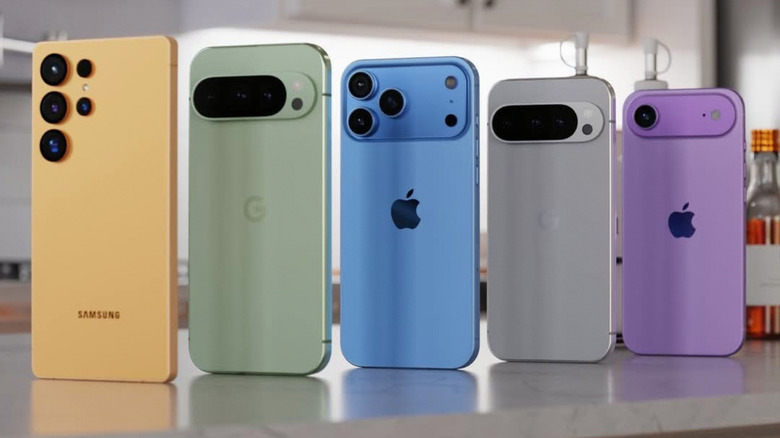
The Big Four: Hardware Encryption Comparison
The bedrock of any secure phone is its hardware-backed execution environment. This is a dedicated chip or a sequestered area of the processor that handles the most sensitive tasks, such as processing your fingerprint or storing your encryption keys. If the main operating system is compromised by malware, this isolated vault remains locked.
In 2026, we see a fascinating split in how the industry leaders approach this problem. Apple continues to refine its integrated approach, while Google focuses on open standards and Samsung leans into physical screen privacy. Meanwhile, the Purism Librem 5 remains the gold standard for those who want to literally cut the power to their sensors.
1. Apple iPhone 17 and 16e: The Gold Standard for Integration
Apple has always thrived on its closed ecosystem, which allows for tight integration between the silicon and the software. The iPhone 17 utilizes the latest iteration of the Secure Enclave, a hardware-based key manager that is isolated from the main processor to provide an extra layer of security. This chip handles 3D Face ID data, which continues to be a benchmark for biometric authentication with a 1 in 1,000,000 false positive rate.
For high-risk users, Apple’s Lockdown Mode offers an extreme level of protection. It disables several web technologies and limits communication features that are often used as entry points for zero-day vulnerability exploits. If you want a phone that is secure out of the box without needing to toggle complex settings, the iPhone 17 is the most balanced choice.
2. Google Pixel 10a: Proactive AI Protection
The Google Pixel 10a has redefined what we expect from budget secure smartphones 2026. Despite its lower price point, it doesn't skimp on the silicon. It features the Titan M3 security chip, which has achieved FIPS 140-3 Level 3 certification. This is a military-grade standard for cryptographic modules, ensuring that the device can resist physical tampering and sophisticated side-channel attacks.
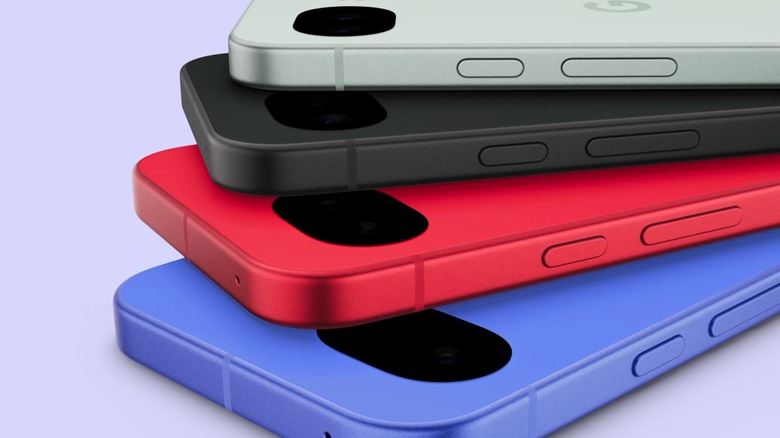
The Pixel lineup leverages a Trusted Execution Environment and AI-powered scam detection for proactive threat research. It can analyze patterns of incoming calls and messages locally on the device to identify potential phishing attempts before you even see them. For those who want the best privacy phones 2026 with a focus on anti-tracking, the Pixel 10a is a formidable contender.
3. Samsung Galaxy S26 Ultra: The Executive Choice
Samsung has built a reputation on its Knox security platform. The 2026 flagship Galaxy S26 series includes a built-in hardware-integrated Privacy Display on the Ultra model that controls pixel light dispersion to block side-angle viewing from nearby observers. This makes it one of the most secure smartphones for business executives who frequently work in public spaces like airports or cafes.
The Galaxy S26 Ultra uses the Samsung Knox Vault (EAL5+ certified) to protect sensitive data like passwords and certificates. Beyond the internal hardware, the Privacy Display feature is a game-changer for physical privacy, effectively shielding notifications from physical onlookers.
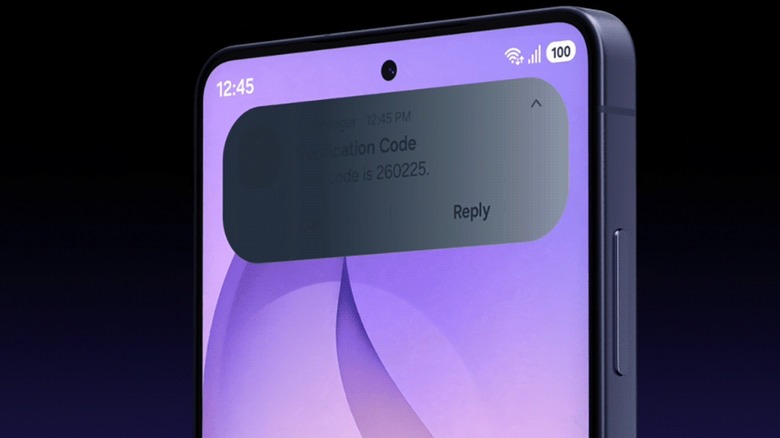
4. Purism Librem 5: The Hardcore Privacy Alternative
For a subset of users, even the most secure mainstream flagships aren't enough because they still rely on proprietary blobs of code. The Purism Librem 5 is engineered with physical hardware kill switches that allow users to manually disconnect power to the camera, microphone, and wireless radios to prevent unauthorized surveillance.
This device is not for everyone; it doesn't run iOS or standard Android. Instead, it uses PureOS, a GNU/Linux operating system that prioritizes user sovereignty. If your threat model includes state-level actors or you simply refuse to trust a software-only toggle for your microphone, this is the only device that provides true peace of mind.
| Feature | iPhone 17 | Google Pixel 10a | Galaxy S26 Ultra | Purism Librem 5 |
|---|---|---|---|---|
| Security Chip | Secure Enclave | Titan M3 | Knox Vault | Dedicated Logic |
| Certification | EAL5+ | FIPS 140-3 Level 3 | EAL5+ | Open Hardware |
| Biometrics | 3D Face ID | Fingerprint/Face | Ultrasonic Fingerprint | None (PIN/Password) |
| Kill Switches | Software Only | Software Only | Software Only | Physical Switches |
Software Longevity & Privacy Features
Hardware is only half the battle. A device is only as secure as its last patch. One of the most significant shifts we've seen leading into 2026 is the commitment to phones with long-term security updates. Both Google and Samsung now offer a minimum of 7 to 8 years of support, ensuring your device remains protected against a zero-day vulnerability long after you’ve paid it off.
Apple remains consistent with its support, often providing critical patches for devices that are six or seven years old. This longevity is crucial because it prevents the "security gap" that occurs when users are forced to use outdated software because they cannot afford a hardware upgrade.
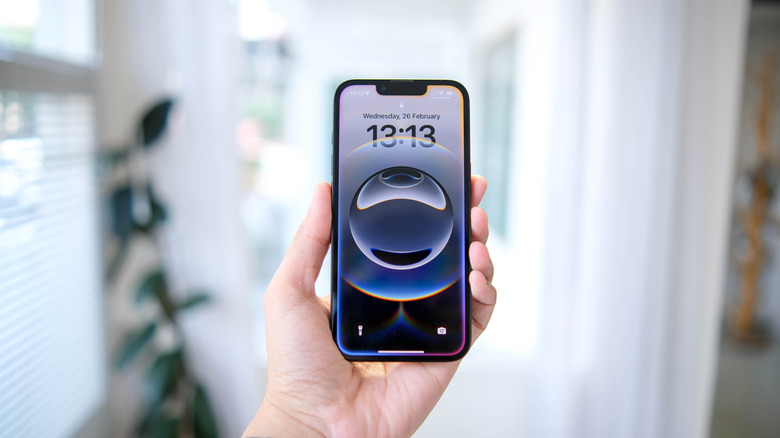
For those looking for the best de-googled phones for maximum privacy 2026, the Pixel hardware actually provides an interesting paradox. Because of its open bootloader and strong hardware security, it is the preferred platform for GrapheneOS, a hardened mobile operating system that removes over 90% of the privileged system apps found in standard Android to minimize the device's attack surface. This allows users to enjoy top-tier hardware encryption without the data-gathering baggage of standard Google services.
Samsung’s specialized features like Maintenance Mode also deserve a mention. When you send your phone for repair, you can lock down your personal data while still allowing the technician access to diagnostic tools. This prevents data exfiltration by third-party repair shops, a common but overlooked privacy risk.
Beyond Hardware: Defeating SIM Swapping & Surveillance
True mobile security requires a holistic approach that goes beyond the handset. In 2026, we are seeing more smartphones interface with advanced network protocols to prevent identity theft. Many users are now looking for hardened smartphones for data protection and anti-tracking that can withstand carrier-level attacks.
The threat of SIM swapping remains a significant concern. By taking advantage of weak carrier authentication, attackers can hijack your phone number and bypass two-factor authentication on your bank and email accounts. The latest phones in 2026 are built to interface with new FCC-mandated secure authentication protocols, but I always recommend an extra layer of protection.
Using physical security keys like a YubiKey is the most effective way to secure your accounts. Most modern smartphones, including the ones mentioned today, support NFC or USB-C hardware keys. This ensures that even if someone steals your password and hijacks your SIM card, they cannot access your accounts without the physical key in your possession.
For the absolute extreme cases, some niche devices like the VERTU Quantum Flip utilize the BB84 protocol for quantum-encrypted communications. While this is overkill for 99% of users, it highlights the direction that high-end mobile security is heading.
Choosing Your Privacy Path
Your choice in the most secure smartphones should be dictated by your personal risk profile. There is no one-size-fits-all solution when it comes to privacy and data protection.
- For the Everyday User: The iPhone 17 offers the best "set it and forget it" security. Its end-to-end encryption for iCloud and robust App Tracking Transparency make it easy to stay private without a degree in computer science.
- For the Technical User: The Google Pixel 10a running a hardened operating system like GrapheneOS offers the highest level of software-based privacy and metadata obfuscation.
- For the Corporate Professional: The Samsung Galaxy S26 Ultra provides the best balance of productivity and physical security, thanks to the Knox platform and the Privacy Display.
- For the Privacy Purist: The Purism Librem 5 is the only choice if you require physical verification that your sensors are disabled.
Regardless of which path you choose, remember that security is a process, not just a product. Keep your software updated, use strong, unique passwords, and always be skeptical of the permissions requested by new apps.
FAQ
Which smartphone is considered the most secure?
In 2026, the title is shared between the iPhone 17 for its integrated Secure Enclave and the Google Pixel series for its FIPS-certified Titan M3 chip. For users who require physical security, the Purism Librem 5 is often considered the most secure due to its physical kill switches for the camera and microphone.
Are iPhones more secure than Android devices?
The answer depends on the specific Android device. While a flagship Google Pixel or Samsung Galaxy offers security parity with the iPhone through hardware modules like Titan M3 and Knox Vault, many budget Android phones lack these features. Apple’s closed ecosystem generally offers more consistent security across all its models compared to the fragmented Android market.
What are the key security features to look for in a phone?
You should prioritize hardware-based security modules, a verified boot sequence, and a high-accuracy biometric authentication system like 3D Face ID or ultrasonic fingerprint sensors. Additionally, look for a manufacturer that provides at least five years of guaranteed security updates and features like a dedicated Lockdown Mode or Maintenance Mode.
How often should a secure phone receive security updates?
Ideally, a secure phone should receive monthly security patches. Leading manufacturers in 2026, such as Google and Samsung, have committed to 7 years of security updates, ensuring that the device remains protected against new malware and exploits throughout its usable lifespan.
Are there phones designed specifically for privacy?
Yes, there are niche devices like the Purism Librem 5 and the PinePhone that are designed from the ground up for privacy, often using open-source hardware and software. Additionally, mainstream devices can be modified with a hardened operating system like GrapheneOS to significantly enhance their privacy capabilities by removing tracking-heavy system apps.