Quick Facts
- Performance Leader: Samsung Galaxy S26 Ultra (Multi-core score: 11,537)
- Battery Champion: OnePlus 15 (7,300mAh Silicon-Carbon battery)
- Gaming King: RedMagic 11 Pro (165Hz refresh rate + active cooling)
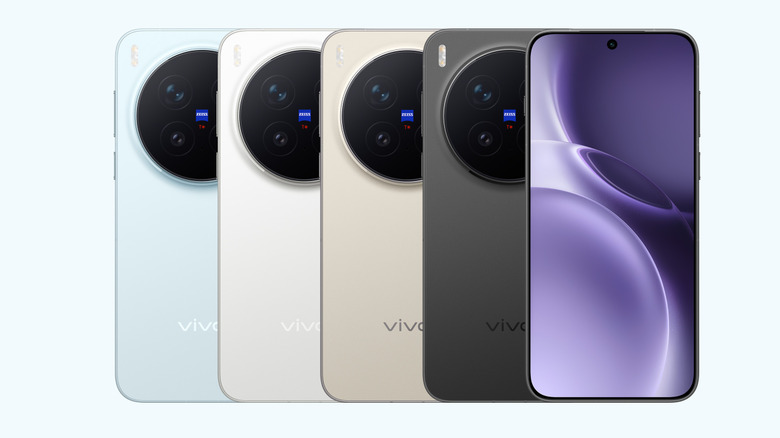
- Camera Specialist: Vivo X300 (Zeiss optics + Dimensity 9500)
- Core Advantage: Android flagships now lead in multi-core processing and battery density
- Charging Speed: Android devices reach 100W-120W, tripling the speed of the iPhone 17 Pro
| Metric | iPhone 17 Pro | Samsung S26 Ultra | OnePlus 15 | Vivo X300 Pro | Xiaomi 15 Ultra |
|---|---|---|---|---|---|
| Multi-core Score | ~9,900 | 11,537 | 11,320 | 11,150 | 11,410 |
| Battery (mAh) | 4,200 | 5,500 | 7,300 | 6,500 | 6,000 |
| Charging (W) | 30W-45W | 45W | 100W | 120W | 90W |
| Refresh Rate | 120Hz | 120Hz | 165Hz | 144Hz | 144Hz |
| Starting Price | $999 | $1,299 | $699 | $899 | $999 |
As of mid-2026, the smartphone landscape has shifted significantly, and several powerful Android flagships now objectively outperform the iPhone 17 Pro in multi-core processing, charging speed, and battery endurance. From the OnePlus 15 with its massive battery to the Samsung S26 Ultra setting new peak benchmarks, these iPhone 17 Pro Android alternatives offer more hardware for your money.
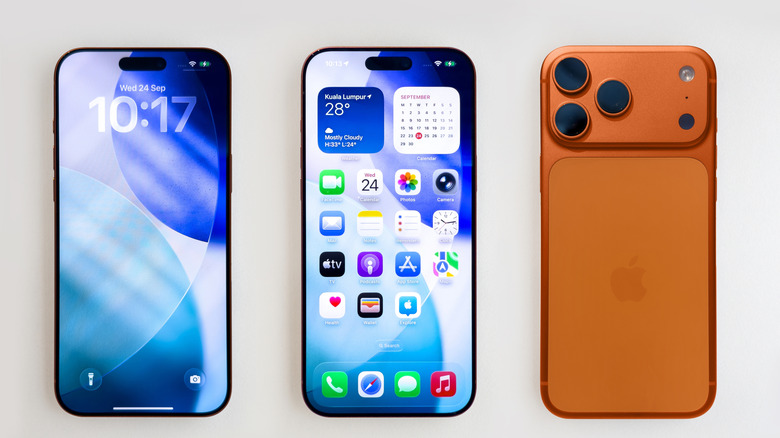
The Power Shift: Snapdragon 8 Elite Gen 5 vs. A19 Pro
For years, Apple Silicon was the undisputed king of mobile processing. However, 2026 marks a turning point where high-end smartphone benchmark comparisons show a clear lead for the competition. The Snapdragon 8 Elite Gen 5 and the MediaTek Dimensity 9500 have adopted a more aggressive multi-core architecture that thrives on heavy multitasking and productivity workloads.
When looking at GeekBench multi-core scores, the A19 Pro inside the iPhone 17 Pro hover around the 9,900 mark. In contrast, the latest powerful Android flagships are consistently breaking the 11,000 barrier. This isn't just about synthetic numbers; it is about the overhead required for 2026-era on-device AI and complex video editing. While Apple remains strong in single-core efficiency, the 16GB to 24GB RAM configurations found on premium Android devices provide a smoother experience for users who never close an app.
Furthermore, the 3DMark GPU benchmarks reveal that the latest Adreno GPUs have surpassed Apple in sustained graphical performance. Thanks to advanced thermal dissipation systems like vapor chambers that dwarf the iPhone's cooling capacity, these Android devices can maintain high frame rates for hours without the aggressive dimming or thermal throttling that often plagues the iPhone during intense gaming sessions.
The Battery Revolution: Why Si-C Anodes Change Everything
The biggest hardware story of 2026 is the mainstream adoption of silicon-carbon anodes. Traditional lithium-ion batteries using graphite anodes have reached a physical limit in terms of density. Silicon-carbon anodes allow manufacturers to pack significantly more energy into the same physical footprint.
This technological leap has created a massive gap in Android flagship battery performance compared to Apple. While the iPhone 17 Pro still relies on traditional battery chemistry with a capacity of roughly 4,200mAh, its competitors have scaled up to 7,000mAh and beyond. For instance, leading 2026 Android devices such as the Oppo Find X9 Pro feature 7,500mAh silicon-carbon batteries, providing roughly 47% more capacity than the iPhone 17 Pro Max's 5,088mAh battery.
This endurance is paired with a refusal to settle for slow charging. While Apple has marginally improved its speeds, high-end Android alternatives with silicon-carbon battery technology are regularly shipping with 100W or 120W wired charging. This means a phone with twice the capacity of an iPhone can actually charge from zero to full in less than half the time. For users who live on their phones, the combination of a 7,300mAh cell and 100W charging makes the iPhone's power management feel dated.
Display and Gaming: Beyond the 120Hz Ceiling
Apple’s ProMotion was a revelation when it debuted, but in 2026, 120Hz is the baseline, not the ceiling. The best Android gaming phones with 165Hz refresh rate 2026 are now common in the flagship space. This higher refresh rate, combined with ultra-responsive touch sampling, makes everything from system animations to competitive shooters feel more fluid than they do on an iPhone.
The display technology itself has evolved. New LTPO display technology on Android flagships now supports peak brightness levels reaching 4,000 nits, significantly outshining the 3,000 nits offered by Apple. This makes a tangible difference when using your device under direct sunlight or viewing HDR10+ content.
For gamers, frame rate consistency is the metric that matters most. Many powerful Android flagships now include dedicated gaming chips that work alongside the main processor to interpolate frames and maintain a steady 165fps in supported titles. When you pair this with high-resolution Android displays outperforming iPhone 17 Pro screen specs, the choice for mobile enthusiasts becomes very clear.
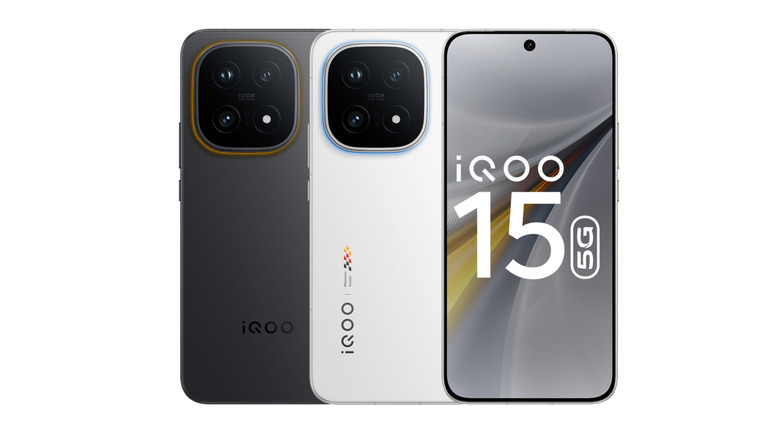
The 4 Specific Flagships You Should Buy Over iPhone 17 Pro
If you are looking for the best Android alternatives, these four models represent the pinnacle of mobile engineering in 2026.
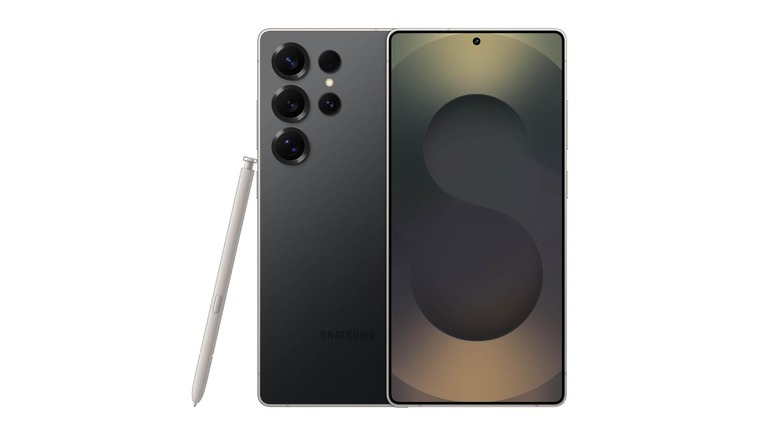
Samsung Galaxy S26 Ultra: The All-Rounder
The Samsung Galaxy S26 Ultra remains the most formidable competitor to the iPhone. It balances its Snapdragon 8 Elite Gen 5 vs iPhone 17 Pro benchmark results with a titanium frame and the most versatile camera system on the market. With its improved telephoto zoom and the iconic S-Pen, it is the ultimate tool for productivity. Samsung's commitment to 7-year software update support also ensures this device will stay relevant just as long as any iOS device.
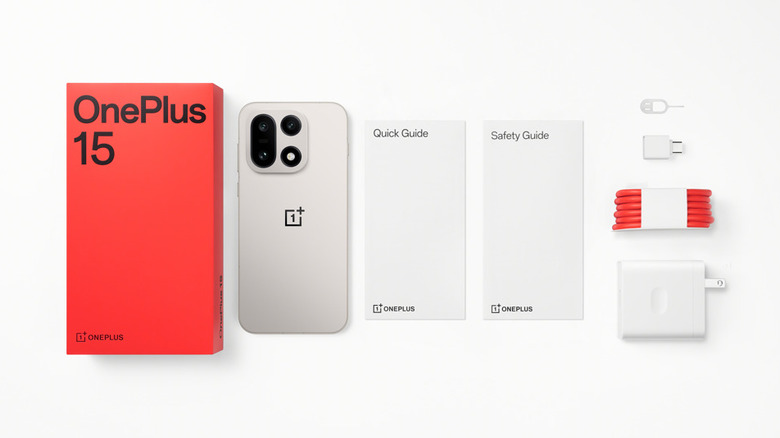
OnePlus 15: The Value King
The OnePlus 15 is one of those cheaper flagship Android phones with better specs than iPhone 17 Pro. It offers a 165Hz display and a staggering 7,300mAh silicon-carbon battery at a price point that significantly undercuts Apple. It is arguably the best performance-to-price ratio flagship available this year, especially for those who value battery life above all else.
Vivo X300 Pro: The Photography Powerhouse
If you care about imaging, the Vivo X300 Pro is a revelation. These are Android smartphones with Zeiss camera systems vs iPhone 17 Pro that often come out on top in blind camera tests. The integration of Zeiss optics and advanced computational photography algorithms allows for a more "natural" look than Apple's often over-sharpened images. It also features a massive battery and incredibly fast 120W charging.
Xiaomi 15 Ultra: The Performance Monster
The Xiaomi 15 Ultra is built for power users. It features the highest multi-core scores in the industry and a 1-inch type main camera sensor that provides professional-level depth of field. For those looking for powerful Android flagships for heavy multitasking and productivity, the Xiaomi's desktop-mode software and 24GB RAM option make it a true laptop replacement in your pocket.
What iPhone Still Does Better: The Ecosystem Context
Despite the hardware dominance of Android in 2026, it is important to acknowledge why many still choose the iPhone. Apple’s single-core efficiency remains excellent for simple, everyday tasks, and third-party app optimization on platforms like Instagram and TikTok is still slightly superior on iOS.
The seamless nature of the Apple ecosystem—where your Watch, Mac, and iPad work in perfect harmony—remains a powerful lock-in factor. However, if you are looking for the best standalone hardware, the gap has never been wider. Android manufacturers have taken the lead in silicon performance, battery density, and display technology, leaving the iPhone 17 Pro to rely more on its software experience than its raw specifications.
FAQ
Which Android phone has the most powerful processor?
In mid-2026, the Samsung Galaxy S26 Ultra and the Xiaomi 15 Ultra share the title for the most powerful processor. Both utilize the Snapdragon 8 Elite Gen 5, which achieves multi-core scores exceeding 11,500, outperforming the iPhone 17 Pro in most heavy multitasking scenarios.
What are the best high-end Android smartphones available today?
The best high-end options include the Samsung Galaxy S26 Ultra for its balanced feature set, the OnePlus 15 for its battery and value, the Vivo X300 Pro for its Zeiss optics, and the RedMagic 11 Pro for dedicated gaming performance.
Which Android device is best for high-performance gaming?
The RedMagic 11 Pro is currently the gold standard for gaming. It features an active cooling fan, a 165Hz refresh rate display, and dedicated shoulder triggers. The OnePlus 15 is a close second for those who want a more traditional design but still desire a 165Hz screen and massive battery life.
How much RAM should a top-tier Android phone have?
By 2026 standards, a top-tier Android phone should have at least 12GB of RAM, though 16GB is becoming the standard for flagships. Devices like the Xiaomi 15 Ultra offer up to 24GB, which is ideal for power users who rely on heavy multitasking and generative AI tools.
Which Android phones offer the best camera and performance balance?
The Samsung Galaxy S26 Ultra and the Vivo X300 Pro offer the most refined balance between elite camera quality and top-tier processing power. While Samsung excels in zoom and software support, Vivo provides a superior primary sensor and faster charging.
Finding Your Perfect 2026 Flagship
Choosing the right device in 2026 depends entirely on your priorities. If you are a mobile gamer, the move to 165Hz displays on powerful Android flagships makes the iPhone feel sluggish by comparison. For travelers and power users, the jump to 7,500mAh batteries with silicon-carbon technology means you can finally leave the power bank at home.
The iPhone 17 Pro is still a fantastic device, but it is no longer the undisputed spec leader. Whether you want the professional tools of the Samsung S26 Ultra or the incredible value of the OnePlus 15, the Android ecosystem has finally moved past Apple in almost every hardware metric that matters.