Quick Facts
- The Worst Value: Moto G 2025 (Skip for Samsung Galaxy A16 5G).
- The Performance Trap: Google Pixel 10 (Skip for Samsung Galaxy S25).
- The Iterative Foldable: Google Pixel 10 Pro Fold (Skip for Samsung Galaxy Z Fold 7).
- Top Hardware Pick: OnePlus 13 (Best battery technology).
- Security Horizon Winner: Samsung Galaxy A17 5G (Software updates until 2031).
- Direct Recommendation: Consumers looking for the best value should avoid the Moto G 2025 and Pixel 10 Pro Fold. Instead, the Samsung Galaxy A16 5G and Galaxy S25 provide superior software update longevity and hardware performance for the same price.
Navigating the 2025 market is tricky. While Google and Samsung dominate, some models are major regressions that fail to justify their price tags. This android phones to avoid 2025 buying guide identifies the 5 models that aren't worth your money and the best value android phones 2025 you should buy instead.
The Security Horizon: Why 2 Years of Support is a Dealbreaker
As an editor, I often look at more than just the megapixel count or the processor speed. I look at what I call the Security Horizon. This is a simple metric: take the price of the phone and divide it by the years of remaining security updates. In 2025, the standard for a good investment has shifted dramatically. While brands like Samsung and Google now promise seven years of support for their mid-range and flagship devices, others are still stuck in the past.
When you buy a phone with only two years of software longevity and security support, you are essentially paying a "short-term tax." By 2027, that phone will be a security risk for banking apps and private data. This makes an android smartphone comparison 2025 particularly harsh for legacy brands. Furthermore, with HMD Global effectively exiting the US market to focus on its own branding, the support landscape for "budget" devices has become even more volatile.
Choosing a phone with an android phones with 7 year update promise 2025 is no longer a luxury; it is a baseline for savvy consumers. If a manufacturer isn't willing to stand by their hardware for at least five years, they are telling you that the hardware compromises they made are expected to fail before then.
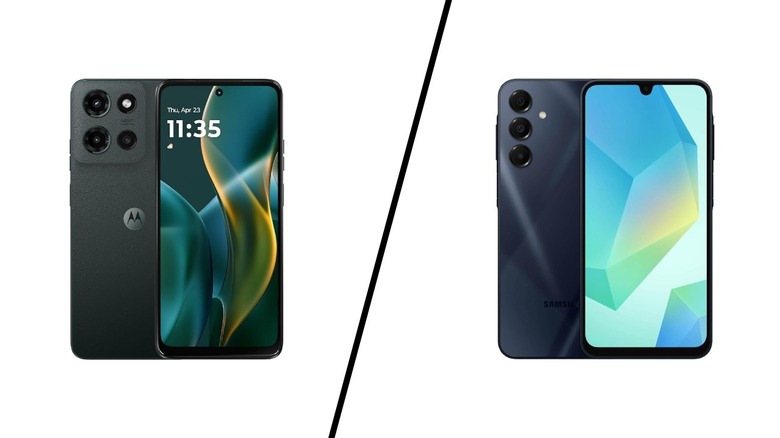
Skip: Moto G 2025 | Buy: Samsung Galaxy A16 5G
The Moto G 2025 is perhaps the most significant budget blunder of the year. Despite its approachable price point, it relies on a 90Hz IPS display. In a world where OLED has become the standard for vivid colors and deep blacks, an IPS panel feels like a relic from 2018. Furthermore, our testing showed frustratingly slow startup times—often exceeding one minute—which indicates a lack of optimization between the chipset and the storage.
In contrast, the Samsung Galaxy A16 5G is a masterclass in mid-range value. It features a stunning 6.7-inch OLED panel that makes everything from scrolling TikTok to watching Netflix a significantly better experience. More importantly, it offers six years of software support, ensuring it remains functional and secure well into the decade. When you look at why the galaxy a16 5g is better than moto g 2025, the screen quality and the Security Horizon are the deciding factors.
| Feature | Moto G 2025 | Samsung Galaxy A16 5G |
|---|---|---|
| Price | $199 | $199 |
| Display | 6.6-inch IPS LCD (90Hz) | 6.7-inch Super AMOLED (90Hz) |
| Processor | Snapdragon 4 Gen 1 | Exynos 1330 / Dimensity 6300 |
| Support | 2 Years Security | 6 Years OS & Security |
Moto G 2025
- WIRED: Very affordable; clean software interface with minimal bloatware.
- TIRED: IPS display looks washed out; only two years of updates; sluggish performance under load.
Samsung Galaxy A16 5G
- WIRED: Best-in-class OLED screen for the price; incredible 6-year update promise.
- TIRED: Plastic build feels slightly hollow; charging speeds are capped at 25W.
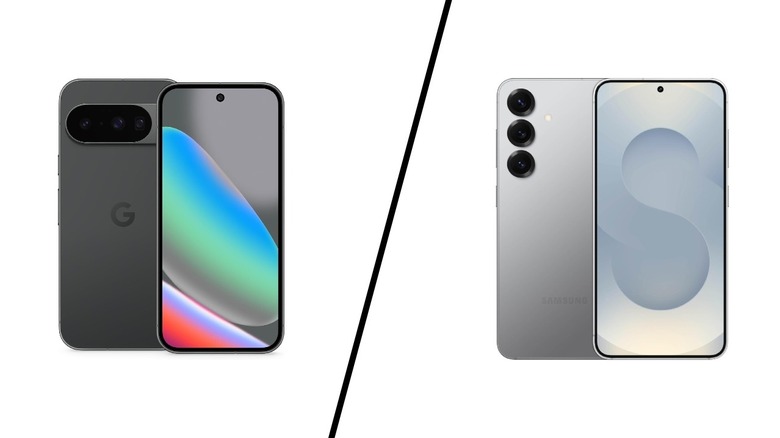
Skip: Google Pixel 10 | Buy: Samsung Galaxy S25
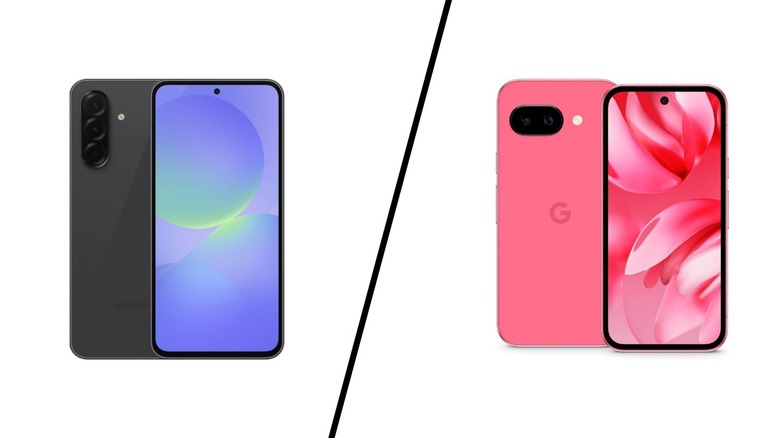
This recommendation might come as a surprise given that Google became the fastest-growing premium smartphone brand in the first half of 2025, recording a 105% year-over-year increase in sales. However, the Google Pixel 10 feels like a "treading water" release. While it introduces the Tensor G5 chip, early benchmarks and real-world thermal management tests show it still lags significantly behind the competition in heavy multitasking and gaming.
The Samsung Galaxy S25, powered by the Snapdragon 8 Elite, is the superior flagship choice this year. The Snapdragon 8 Elite isn't just faster; it's much more efficient, meaning the S25 stays cool during intensive tasks where the Pixel 10 begins to throttle. Samsung has also moved toward a more refined hardware design with slimmer bezels and a high-quality primary camera sensor that outperforms the slightly smaller sensors found in the base Pixel 10. While the Pixel offers deep Gemini AI integration, the S25 matches those features while providing a more stable and powerful hardware foundation.
| Feature | Google Pixel 10 | Samsung Galaxy S25 |
|---|---|---|
| Processor | Tensor G5 | Snapdragon 8 Elite |
| Battery Life | 12-14 hours (Moderate) | 16-18 hours (Moderate) |
| Thermals | Average (Tends to warm up) | Excellent (Advanced cooling) |
| AI Features | Google Gemini Nano | Galaxy AI |
Google Pixel 10
- WIRED: Excellent still photography; exclusive Google AI features.
- TIRED: Tensor G5 still trails in raw power; hardware feels iterative compared to the Pixel 9.
Samsung Galaxy S25
- WIRED: Snapdragon 8 Elite is a performance beast; best-in-class compact ergonomics.
- TIRED: Samsung’s One UI can feel cluttered; 25W charging is slow for a 2025 flagship.
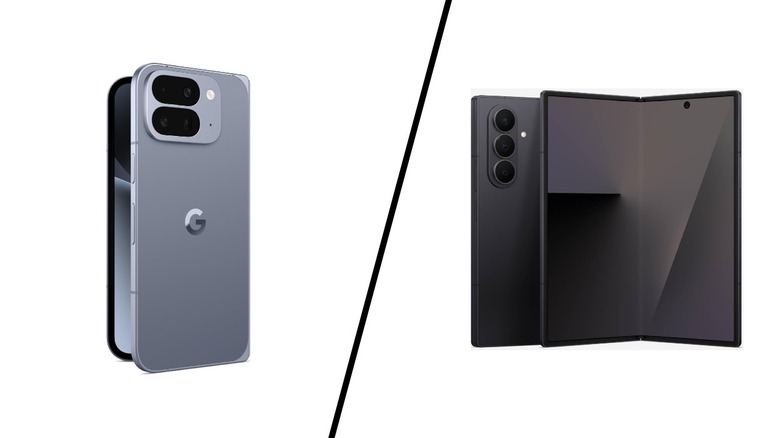
Skip: Google Pixel 10 Pro Fold | Buy: Samsung Galaxy Z Fold 7
Foldables are no longer experiments; they are premium productivity tools. This makes the Google Pixel 10 Pro Fold one of the most disappointing android phones 2025 has seen so far. While Google improved the screen brightness, the device remains bulkier and heavier than its rivals. The camera system, strangely, is inferior to the standard Pixel 10 Pro, which is a hard pill to swallow for a device costing nearly $1,800.
The Samsung Galaxy Z Fold 7 has finally addressed the "thickness" complaint, delivering a significantly thinner form factor that feels like a normal phone in your pocket. Combined with the Snapdragon 8 Elite and software that is far more optimized for multitasking—such as the persistent taskbar and superior window management—the Z Fold 7 is the clear winner for power users. If you are looking for the most disappointing android phone releases 2025 to skip, the Pixel 10 Pro Fold is at the top of the list simply because of its hardware compromises in the camera and weight departments.
| Feature | Google Pixel 10 Pro Fold | Samsung Galaxy Z Fold 7 |
|---|---|---|
| Thickness (Folded) | 12.1 mm | 10.5 mm |
| Weight | 257g | 239g |
| Processor | Tensor G5 | Snapdragon 8 Elite |
| Camera | Iterative (Smaller sensors) | Flagship-grade main sensor |
Google Pixel 10 Pro Fold
- WIRED: Wide outer display feels natural; Google’s AI photo editing is unmatched.
- TIRED: Heaviest foldable in its class; underwhelming camera hardware for the price.
Samsung Galaxy Z Fold 7
- WIRED: Incredibly thin and light; best multitasking software in the industry.
- TIRED: The inner screen crease is still visible; S-Pen is still a separate purchase.
Hardware Traps to Watch For: 2025 Edition
When identifying android phones to avoid, you need to look beyond the brand name and focus on the underlying hardware trends. 2025 has introduced several "traps" that can make a seemingly good deal a poor long-term investment.
First, be wary of refurbished flagships from 2021 or 2022. While they may have great cameras, their software update longevity is likely nearing its end. A "cheap" S21 Ultra might only have a year of security patches left, making it a poor choice compared to a modern mid-range phone.
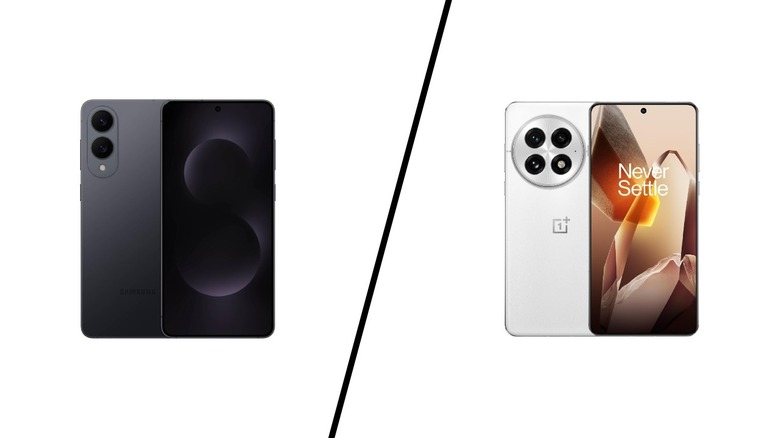
Second, pay attention to battery technology. We are seeing a massive shift to Silicon-Carbon batteries in brands like OnePlus. The OnePlus 13, for instance, manages to pack over 6,000mAh into a slim body, providing legendary battery life endurance. Phones still using traditional lithium-ion structures often have smaller capacities (around 4,500-5,000mAh) and slower charging speeds.
Finally, look for the Qi2 wireless charging standard. This new standard uses magnets (similar to MagSafe) to ensure perfect alignment and faster 15W charging. Buying a premium phone in 2025 that lacks Qi2 means you’ll miss out on the best new ecosystem of magnetic accessories and chargers.
Summary of the Best Value Picks
If you are looking to maximize your budget, the google pixel 9a vs samsung galaxy a36 value comparison is where you should focus. Both of these upcoming mid-range champions offer excellent cameras and a minimum of six years of updates. They avoid the high cost of flagship chips while providing 90% of the flagship experience.
FAQ
What are the main Android phones to avoid this year?
The primary models to skip in 2025 include the Moto G 2025 due to its poor display and short support window, and the Google Pixel 10 Pro Fold, which suffers from a bulky design and underwhelming camera hardware compared to its high price.
Which Android phones lose software support the fastest?
Budget-tier phones from brands like Motorola and certain regional manufacturers often only provide one or two years of security updates. In contrast, Samsung and Google have set the 2025 standard at six to seven years for most of their lineup.
How do I know if a budget Android phone is a bad investment?
A budget phone is usually a bad investment if it uses an IPS LCD screen instead of OLED, offers less than four years of security updates, or lacks 5G connectivity. These compromises significantly shorten the useful lifespan of the device.
Are there specific Android processors known for overheating?
While most 2025 chips are efficient, the Google Tensor G5 in the Pixel 10 series has shown a tendency to warm up under heavy loads like 4K video recording or gaming. The Snapdragon 8 Elite is currently the gold standard for thermal management and raw performance.
What features should I avoid when buying a new Android phone?
Avoid buying phones that lack the Qi2 wireless charging standard if you are spending over $600. Also, be cautious of devices that still use "depth sensors" or "macro sensors" to pad their camera count, as these are usually low-quality lenses that add little real-world value.