Quick Facts
- Best Overall: Birdfy AI Feeder (2K resolution, solar-ready power system)
- Best for Nesting: Birdfy Nest Duo (Dual-lens monitoring, FSC-certified bamboo)
- Best Premium Optics: Swarovski AX Visio (Integrated identification for 9,000+ species)
- Budget Choice: Birdfy Rookie (Offers 60fps slow-motion capture at an accessible price)
- Entry-Level Option: Soliom Bird Feeder (Sub-$70 price point with basic smart features)
- Key Growth: The global smart bird feeder market is projected to reach $1.1 billion by 2033.
- User Insight: Roughly 37% of the U.S. adult population participated in birdwatching in 2022.
Upgrade your bird watching experience with the latest smart birding gadgets. From bird feeder cameras with AI identification to digital binoculars, discover how tech is revolutionizing backyard birding. The best smart birding gadgets for 2026 include AI-powered bird feeders, high-definition nest box cameras, and digital binoculars with recording capabilities. Premium options like the Birdfy Nest Duo offer dual-lens views and solar power, while action cameras like the GoPro HERO12 can be adapted for high-resolution wildlife observation. These tools enhance the bird watching experience by providing motion-activated alerts and real-time species identification through integrated mobile apps.
AI-Powered Bird Feeders: The Ultimate Backyard Observer
As someone who spends a significant amount of time integrating smart home ecosystems, I have seen the backyard bird feeder evolve from a simple plastic tube into a sophisticated edge-computing device. The transition to 2K and 4K imaging is the standard for 2026, allowing us to see individual feather patterns that were previously invisible to the naked eye. These smart birding gadgets are no longer just cameras; they are biological monitoring stations.
The core of this revolution is species identification. Modern feeders utilize advanced algorithms to catalog sightings, often pulling data from reputable databases like the Cornell Lab of Ornithology and their Merlin Bird ID system. When a Northern Cardinal lands, your phone doesn't just buzz; it identifies the bird, provides a high-quality video clip, and logs the visit into a digital journal. Brands like Birdfy and Bird Buddy have led this charge, but new entries like the Kiwibit Bird Feeder 2 are pushing the boundaries of accuracy in various lighting conditions.
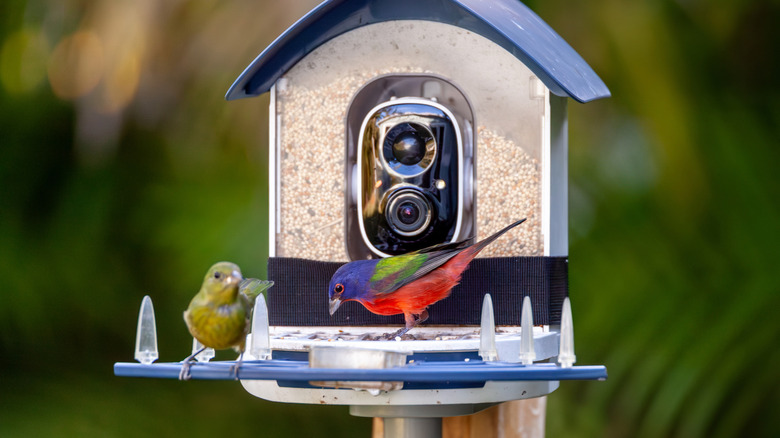
One technical hurdle I always warn users about is power management. A high-resolution bird feeder camera with ai identification can drain a battery quickly if it is in a high-traffic area. This is why solar powered smart bird feeders with wifi are the only logical choice for a truly seamless smart home experience. By integrating a dedicated solar panel, you eliminate the need to take the feeder down for charging, ensuring you never miss a rare visitor.
Who This Is For: The Backyard Enthusiast
- Users who want instant notifications of avian visitors.
- Families looking for an educational tool that identifies species automatically.
- Photographers who want high-quality close-ups without expensive telephoto lenses.
Key Considerations for 2026
When researching how to choose a smart bird feeder camera, look for models that offer local storage via microSD cards. While cloud storage is convenient, many brands charge a monthly subscription fee for AI identification features and historical video access. If you are a beginner, look for smart birding gadgets for beginner bird watchers that offer a plug-and-play setup and a user-friendly app interface.
Smart Nest Boxes: Capturing the Full Avian Lifecycle
If the feeder is the stage for a bird's daily activity, the nest box is the theater for its entire lifecycle. Monitoring nesting behavior used to be a challenge that required invasive checks or grainy, wired analog cameras. Today, smart devices for recording bird nesting cycles provide a window into the most intimate moments of avian life, from nest building to the first flight.
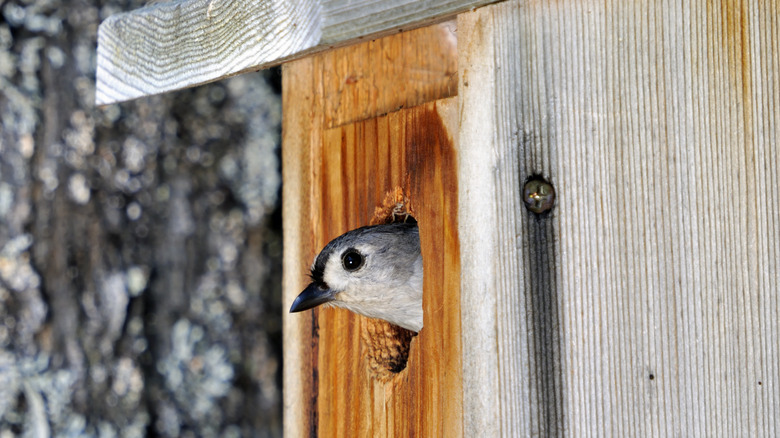
The current benchmark for this category is the Birdfy Nest Duo. What sets this apart from basic models is the dual-lens configuration. While one lens focuses on the interior nesting area, the second monitors the entrance. This provides a comprehensive view of the parents coming and going, which is vital for understanding avian behavior and feeding frequency. This data is invaluable for citizen science, as it allows hobbyists to contribute to larger datasets regarding brood success and nesting timelines.
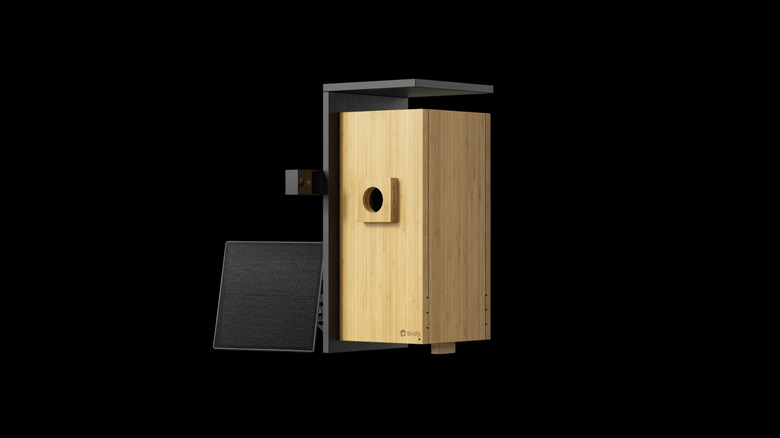
When selecting best nest box cameras for birding, durability and visibility are paramount. Look for an IP66 rating to ensure the electronics can withstand heavy rain and snow. Inside the box, infrared night vision is a non-negotiable feature. Since most nesting activity happens in low light or total darkness, 4k bird house cameras with night vision allow you to observe the brooding process without disturbing the birds with visible artificial light.
Tips for Nest Box Placement
- Orient the entrance away from prevailing winds to protect the nestlings.
- Mount the box at the appropriate height for your target species (usually 5 to 15 feet).
- Ensure the Wi-Fi signal is strong enough; you may need an outdoor mesh extender to maintain a stable 2.4GHz connection.
Digital Binoculars: The New Frontier of Field Identification
While backyard gadgets focus on stationary observation, digital bird watching binoculars have revolutionized how we interact with wildlife in the field. Traditional birding required a heavy field guide and a keen eye. Now, high end smart binoculars with species identification do the heavy lifting for you.
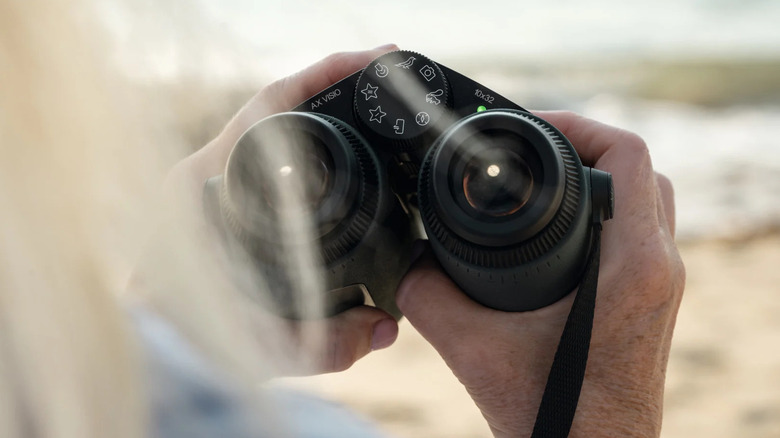
The Swarovski AX Visio is the gold standard in this category, though it carries a premium price tag. It integrates the Merlin Bird ID algorithm directly into the optics. You simply center the bird in your view, press a button, and the internal display tells you exactly what you are looking at from a database of over 9,000 species. This is not just a gadget; it is a professional tool for ornithology.
For most enthusiasts, digital bird watching binoculars with video recording are the more practical choice. These devices allow you to capture 4K video of remote sightings that would be impossible to photograph with a smartphone. Many of these models also feature image stabilization, which is critical when you are zoomed in at 10x or 20x magnification.
Why Upgrade to Digital Optics?
- Instant Verification: Confirm a rare sighting in seconds without fumbling for a guide.
- Documentation: Capture high-resolution proof of your sightings for apps like eBird.
- Sharing: Many digital binoculars allow you to stream the view to a nearby smartphone so a group of people can see the bird simultaneously.
Maintenance and Logistics: Connectivity, Power, and Pests
As an IoT editor, I have to be the voice of reason when it comes to the logistics of smart birding gadgets. Even the most advanced camera is useless if it cannot stay connected to your network. Most smart birding gadgets operate on a 2.4GHz Wi-Fi frequency. This is because 2.4GHz has a longer range and penetrates walls better than 5GHz, which is crucial for devices located 30 to 50 feet away from the house in a backyard habitat.
Another reality of birding is the battle against squirrels. When you install a bird feeder camera with ai identification, you are essentially putting out an expensive buffet for rodents. I always recommend hardware that features integrated squirrel guards or "critter-proofing" logic. Some AI systems can even detect a squirrel and trigger a siren or a light to discourage the visitor without harming them.
Finally, consider the operating environment. High-quality smart gadgets should be rated for temperatures ranging from 14°F to 122°F. If you live in a climate with extreme winters, look for models that have a heater element for the battery to prevent power loss during a freeze. Weatherproofing is non-negotiable; look for seals that protect the microSD slot and the charging port.
The Cost of Smart Birding
While the initial hardware purchase is one factor, keep an eye on cloud storage fees. Many brands offer a basic tier of motion detection for free, but advanced AI identification and long-term video storage often require a subscription ranging from $4.49 to $4.99 per month. If you want to avoid these costs, prioritize gadgets that support local storage and allow you to view the live feed without a recurring fee.
FAQ
What are the best smart gadgets for bird watching?
The best smart gadgets include AI-powered bird feeders for backyard observation, smart nest boxes for tracking reproductive cycles, and digital binoculars with integrated species identification. For a comprehensive experience, a combination of a solar-powered feeder and high-resolution binoculars is the ideal setup for most enthusiasts.
How do smart bird feeders identify different bird species?
Smart bird feeders use integrated cameras and motion sensors to detect motion, then process the image through an AI algorithm. Most leading brands use the Merlin Bird ID database from the Cornell Lab of Ornithology to compare the visitor's physical traits—such as beak shape, color, and size—against thousands of known species to provide an accurate identification.
Are smart bird feeders worth the investment?
Yes, for those interested in wildlife photography and citizen science, these gadgets are worth the investment. They provide 24/7 monitoring and high-resolution footage that is difficult to capture manually. Furthermore, the growth of the smart bird feeder market has led to more competitive pricing and better software features, making them more accessible than ever.
Do you need Wi-Fi for a smart bird camera?
Most smart birding gadgets require a Wi-Fi connection (typically 2.4GHz) to send real-time alerts and stream live video to your smartphone. However, some models can record footage directly to a microSD card without an active internet connection, though you will lose the ability to receive instant notifications and use cloud-based AI identification.
How do smart birding gadgets protect against weather damage?
High-quality smart birding tools feature IP65 or IP66 weatherproofing ratings, which protect the internal electronics from rain, dust, and snow. Additionally, many are designed with UV-resistant plastics and include solar panel integration to keep the battery charged through internal power management systems, even in less-than-ideal weather conditions.
The world of birding has undergone a massive transformation thanks to IoT technology. Whether you are a casual observer or a dedicated researcher, these smart birding gadgets offer a level of intimacy with nature that was once impossible. By choosing the right combination of AI-powered feeders, nest boxes, and digital optics, you can turn your backyard into a high-tech sanctuary for avian visitors and a personal laboratory for your own wildlife photography.