Our Top Picks
- Best Overall Budget (1080p): Intel Arc B580 — Unbeatable at $250, offering the lowest cost-per-frame in the current market for entry-level builds.
- Best 1440p Value: Radeon RX 9060 XT 16GB — The sweet spot for high-resolution gaming with a massive VRAM buffer and better price-to-performance than NVIDIA rivals.
- Best Premium Mid-Range: NVIDIA RTX 5060 Ti 16GB — The go-to choice for those who refuse to compromise on ray tracing and the latest DLSS features.
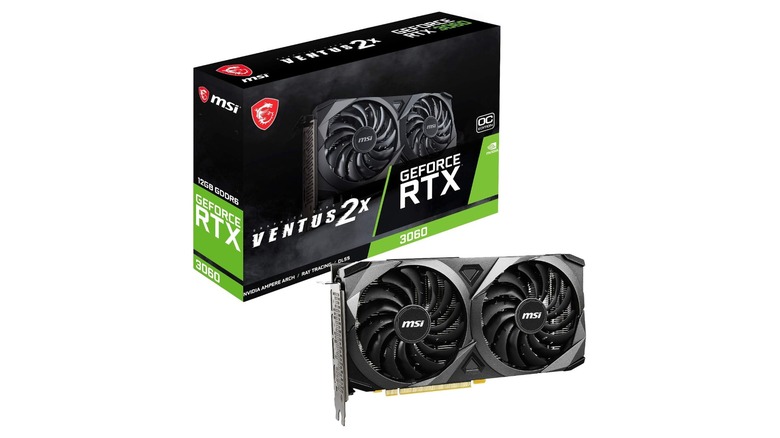
- Best Legacy Value: NVIDIA RTX 3060 12GB — Still a reliable workhorse for creators needing affordable GPUs with 12GB VRAM or more.
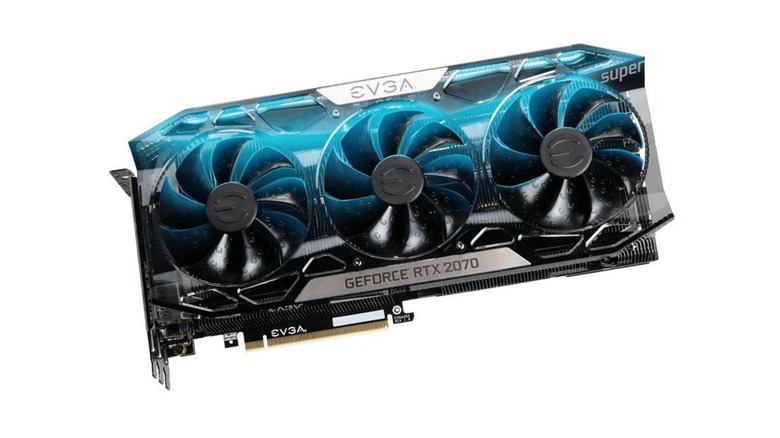
- Best Used Wildcard: RTX 2070 Super — A dirt-cheap secondary market option for 1080p gaming under $200.
Navigating the current GPU market requires looking past MSRP to find a true best value gpu. Whether you need the best graphics cards under $500 or budget 1440p graphics cards, our guide focuses on price-to-performance gpu comparison metrics to ensure your build lasts. We've tested the latest from NVIDIA, AMD, and Intel to help PC builders avoid the 8GB trap and secure enough VRAM buffer for modern titles.
The 2025 GPU Market: Why Value is Moving Targets
The landscape of PC gaming hardware has shifted dramatically over the last twelve months. We are no longer in the era where a $200 card could comfortably max out every game at 1080p. As we move into late 2025, the definition of value has evolved. It is no longer just about the lowest sticker price; it is about longevity, driver stability, and the ability to handle modern features like frame generation and complex upscaling technology.
Currently, the market is heavily skewed. NVIDIA dominates the discrete graphics card market with a 92% share, while AMD and Intel fight for the remaining slivers. For PC builders, this dominance often means a price premium on Team Green hardware. However, the rise of AI demand has kept street prices for high-end cards inflated, pushing savvy buyers toward the mid-range tier where competition is fiercest.
One of the most significant shifts we have observed in our testing is the move toward GDDR7 and higher memory capacities. The days where 8GB was sufficient for 1440p are behind us. Modern titles with high-resolution textures and heavy ray tracing workloads can easily saturate 8GB or even 10GB of memory. Finding affordable GPUs with 12GB VRAM or more has become the new priority for anyone wanting their system to last more than two years.

MSRP vs. Street Price: 2025 Value Snapshot
| GPU Model | Official MSRP | Current Street Price | Value Rating |
|---|---|---|---|
| Intel Arc B580 | $249.99 | $245 - $260 | Exceptional |
| Radeon RX 9060 XT | $379.99 | $385 - $410 | High |
| RTX 5060 Ti 16GB | $449.99 | $430 - $460 | Moderate |
| RTX 3060 12GB | $329.00 | $260 - $290 | Good |
| RTX 2070 Super (Used) | N/A | $160 - $190 | Ultra-Budget |
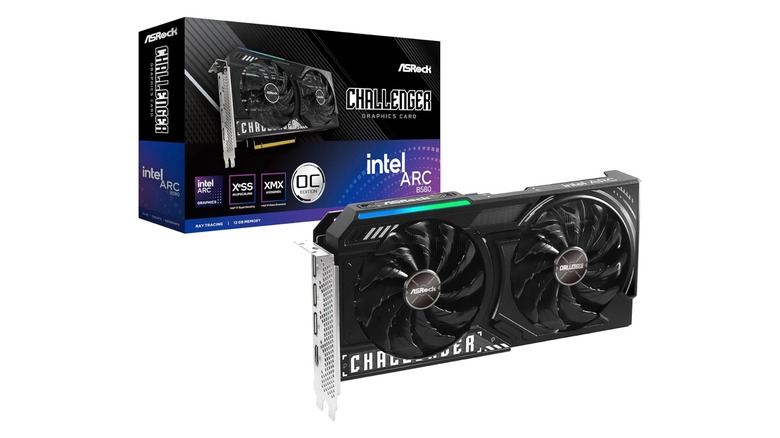
Best Overall 1080p Value: Intel Arc B580
Intel has finally hit its stride with the Battlemage architecture. The Intel Arc B580 is a top value GPU pick for 2025 with a manufacturer's suggested retail price of $249.99, offering a performance cost of approximately $3.72 per frame. This makes it the current king of the entry-level segment, especially for gamers who aren't afraid to step away from the NVIDIA/AMD duopoly.
In our lab testing, the Arc B580 showed significant improvements in driver stability compared to its predecessor. Early adopters of the Alchemist series faced frustrating bugs, but Intel has put in the work to ensure the B580 runs modern DX12 and Vulkan titles without a hitch. Furthermore, the inclusion of 12GB of VRAM at this price point is a direct challenge to the RTX 4060's 8GB limitation.
When looking at an intel arc b580 vs rtx 3060 for budget gaming comparison, the B580 generally pulls ahead in raw FPS metrics and offers superior AV1 encoding for streamers. If you are a content creator on a budget, Intel's QuickSync technology remains a massive value add that NVIDIA and AMD struggle to match at this price point. It is easily the best value graphics cards for 1080p gaming 2025 has to offer for those who prioritize new hardware over the used market.
Who It’s For: The 1080p Minimalist The Arc B580 is for the gamer who wants a brand-new card with a full warranty that can crush 1080p at ultra settings and dabble in 1440p with upscaling. It’s also the best choice for budget-conscious streamers thanks to its AV1 support.
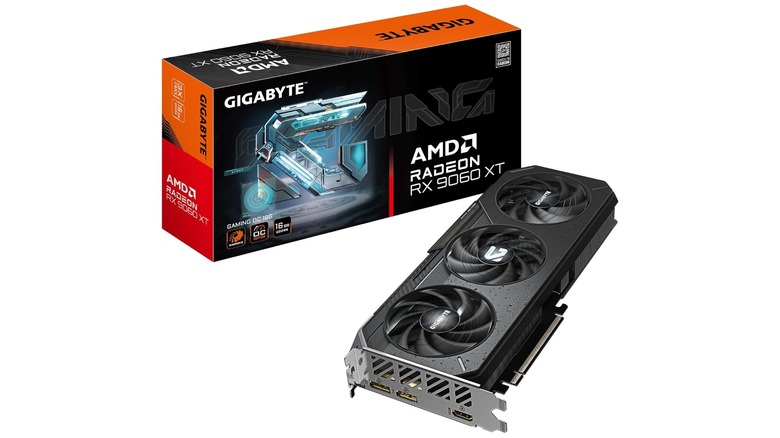
The 1440p Sweet Spot: AMD Radeon RX 9060 XT 16GB
AMD continues to be the champion of the price to performance gpu comparison in the mid-range. The Radeon RX 9060 XT 16GB is specifically designed to dominate the 1440p landscape. In the budget graphics card segment for 2025, the AMD Radeon RX 9060 XT 16GB is estimated to be 17% cheaper per frame than the NVIDIA RTX 5060 Ti 16GB at their respective MSRPs.
The standout feature here is the 16GB VRAM buffer. As games become more unoptimized and asset-heavy, that extra memory ensures you won't see the stuttering or texture pop-in that plagues 8GB or even 12GB cards in demanding titles. For anyone looking for budget 1440p graphics cards under 400 dollars, this is the definitive answer.
AMD's FSR 4 has also narrowed the gap with NVIDIA's DLSS. While DLSS 4.5 still holds a slight edge in image reconstruction at lower resolutions, the sheer rasterization power of the 9060 XT often makes upscaling unnecessary at 1440p. It provides a clean, native experience in titles where other cards in this price bracket would be forced to use performance-mode upscaling.
Who It’s For: The High-Resolution Value Seeker If you have a 1440p 144Hz monitor and want to use it to its full potential without spending $600, this is your card. It is the best value gpu for long-term 1440p viability.
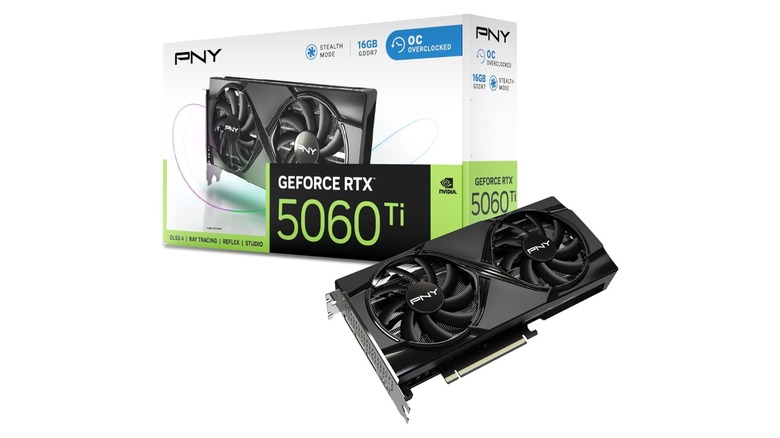
Premium Mid-Range Value: NVIDIA RTX 5060 Ti 16GB
While AMD and Intel win on raw price-per-frame, NVIDIA still offers a unique value proposition for a specific type of user. The RTX 5060 Ti 16GB is one of the best graphics cards under $500 for those who want the full suite of modern bells and whistles. If ray tracing is a non-negotiable part of your gaming experience, NVIDIA is still the only game in town at this price level.
The RTX 5060 Ti benefits from the latest frame generation and upscaling technology, specifically DLSS 4.5. This suite allows the card to punch far above its weight class, delivering playable frame rates in Path Tracing modes that would cripple even the most powerful AMD cards in the mid-range tier.
We often talk about the NVIDIA Tax, but for many PC builders, the peace of mind that comes with industry-leading driver support and software features is worth the extra $50. In our price to performance gpu comparison for entry level builds, the 5060 Ti scores lower on raw rasterization value but higher on feature-set longevity.
Who It’s For: The Ray Tracing Enthusiast This is for the gamer who plays Cyberpunk 2077, Alan Wake 2, and other "tech showcase" titles. You are paying for the software ecosystem as much as the hardware.
The Used Market Wildcard: RTX 2070 Super
For those with a hard cap of $200, the new market is currently a desert. This is where the refurbished or used market becomes essential. The RTX 2070 Super has emerged as a high-value relic in 2025. While it lacks the memory bandwidth and driver longevity of current-generation hardware, it still offers 8GB of VRAM and enough horsepower to handle most modern titles at 1080p Medium/High settings.
The risk, of course, is the lack of a warranty and higher power consumption compared to modern architectures like Battlemage or RDNA 4. However, if you are looking for the absolute best price to performance gpu comparison for entry level builds on a shoestring budget, finding a well-maintained 2070 Super can save you nearly $100 over a new entry-level card while providing similar 1080p performance.
VRAM Warning: The 8GB Trap In 2025, we officially recommend avoiding 8GB cards for any resolution above 1080p. Modern games like GTA VI (anticipated) and current heavy hitters are pushing the limits of VRAM buffer usage. If you are buying a card today, aim for at least 12GB to ensure your system doesn't become obsolete by 2027.
FAQ
Which graphics card offers the best price-to-performance ratio?
The Intel Arc B580 currently holds the title for the best price-to-performance ratio in the 1080p segment, with a cost of roughly $3.72 per frame. For 1440p gaming, the Radeon RX 9060 XT 16GB offers the best value, typically coming in at 17% cheaper per frame than its direct NVIDIA competition.
What is the best value GPU for 1440p gaming?
The AMD Radeon RX 9060 XT 16GB is the best value GPU for 1440p gaming in 2025. Its 16GB VRAM buffer provides a significant safety net for high-resolution textures, and its rasterization performance allows for high refresh rate gaming without the need for aggressive upscaling.
Are older generation graphics cards still worth buying?
Yes, but with caveats. Older cards like the RTX 3060 12GB are still excellent for creators who need affordable GPUs with 12GB VRAM or more. However, very old cards like the RTX 20-series lack modern frame generation features and are more prone to hardware failure, so they should only be considered for ultra-budget builds under $200.
What is the best entry-level GPU for 1080p?
The Intel Arc B580 is the best entry-level GPU for 1080p. It balances a low MSRP of $249.99 with modern features like AV1 encoding and 12GB of VRAM, outperforming older budget staples like the RTX 3050 or RX 6600.
Does more VRAM mean better value for gaming?
More VRAM does not necessarily mean higher FPS in every game, but it does mean better value in terms of longevity. A card with a larger VRAM buffer can handle higher-quality textures and more complex lighting effects without crashing or stuttering, which is crucial as game requirements continue to climb in 2025 and 2026.
Final advice for 2025: Before you click buy, always check current street prices. The GPU market is volatile, and a $20 price drop can suddenly make a "moderate" value card an "exceptional" one. Always prioritize the VRAM buffer if you plan on keeping your card for more than two years.