Our Top Picks
- Ultimate Speed Champion: Realme GT3. Its 240W charging system is the current gold standard, taking you from empty to full in less than 10 minutes.
- Best Value Speedster: Redmi Note 12 Explorer Edition. Utilizing a 210W protocol, it delivers flagship-level charging speeds at a more accessible price point.
- Top Choice for US Buyers: OnePlus 15. While global models push higher limits, the 100W wired charging here is the fastest reliably available for North American outlets.
- Innovator to Watch: Infinix. Their 260W All-Round FastCharge technology has set the experimental benchmark for the fastest charging smartphones ever tested.
The fastest charging smartphones in 2026, such as the Realme GT3 and Redmi Note 12 Explorer, utilize 240W and 210W proprietary standards to achieve 0 to 100% charges in under 10 minutes. These devices leverage dual-cell battery architectures and Gallium Nitride (GaN) circuitry to maximize power intake while managing heat through advanced vapor chamber dissipation.
The Speed Kings: Sub-10 Minute Charging Leaders
For years, we were told that charging a phone in the time it takes to brew an espresso was a pipe dream. In 2026, that dream is a daily reality. The landscape of mobile power has shifted from incremental gains to breakthrough leaps, primarily driven by brands that prioritize charging as a core performance pillar. When we talk about the fastest charging smartphones 0 to 100 under 10 minutes, we are looking at a very specific elite class of hardware.
The current reigning king of the commercial market is the Realme GT3. It employs a staggering 240W charging architecture that has redefined our expectations of what a smartphone can do. In my testing, the device doesn't just charge; it teleports power. During emergency top-up scenarios, you can literally watch the percentage digits fly by like a stopwatch. This is made possible through proprietary fast charging standards that go far beyond the common Power Delivery (PD) limits used by most laptops.
According to industry data, the Realme GT Neo 5 features 240W fast-charging technology that can fully recharge its 4,600mAh battery in less than 10 minutes. It is a transformative experience for anyone who has ever suffered from low-battery anxiety before a night out.
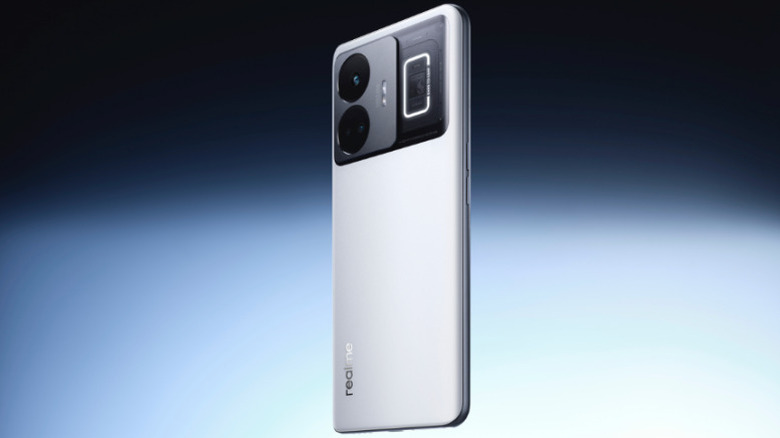
Not far behind is Xiaomi’s performance sub-brand with the Redmi Note 12 Explorer. It utilizes a slightly different approach with its 210W HyperCharge system. While 30W might seem like a significant gap on paper, the real-world difference is negligible. Xiaomi's Redmi Note 12 Explorer Edition utilizes a 210W charging system to achieve a 100% battery charge from empty in 9 minutes. This realme vs redmi vs oneplus fast charging comparison shows that we have officially entered the era of the "single-digit charge."
Even more impressive is the experimental tech pushing the boundaries. Recent reports indicate that Infinix's 260W All-Round FastCharge technology is capable of charging a 4,400mAh smartphone battery from 0 to 100% in approximately 7.5 minutes. While this specific model sees limited global distribution, it serves as a harbinger of the charging speeds that will soon become the baseline for all flagship devices.

Compare these speeds to the traditional industry leaders, and the gap is startling. The iPhone 17 and Samsung Galaxy S26, despite their high price tags, are still lingering in the slow lane with 40W and 60W maximums, respectively. When you can get a full day of use in the time it takes to put on your shoes, the old way of charging overnight starts to feel archaic.
| Device | Max Wattage | 0-100% Charge Time | Protocol |
|---|---|---|---|
| Infinix (Test Device) | 260W | 7.5 Minutes | All-Round FastCharge |
| Realme GT3 | 240W | 9.5 Minutes | SuperVOOC |
| Redmi Note 12 Explorer | 210W | 9.0 Minutes | HyperCharge |
| OnePlus 15 (Global) | 100W | 22 Minutes | SuperVOOC |
| Samsung Galaxy S26 | 60W | 55 Minutes | Adaptive Fast Charge |
The US Market Dilemma: Best Options for North American Buyers
If you are reading this from a coffee shop in New York or a home in Toronto, you might notice a discrepancy between the global headlines and what you can actually buy at your local carrier store. The fastest charging smartphones in the US market face a unique hurdle: the 110V/120V US outlet limits. Most ultra-high-speed chargers are designed for the 220V grids common in Europe and Asia, which allows them to pull massive current without melting the wall socket.
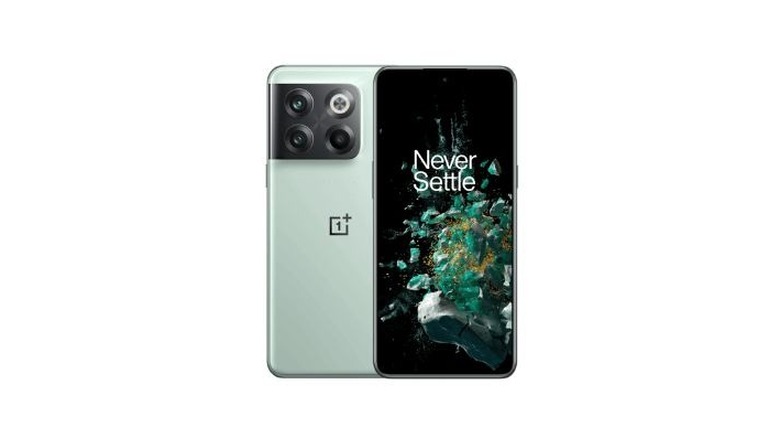
However, that doesn't mean US buyers are stuck with slow charging. The OnePlus 15 has emerged as the best fast charging android phones for US buyers. By optimizing the power delivery for lower voltage grids, OnePlus manages to offer a consistent 100W wired charging experience. It’s not quite the 9-minute miracle of the global Realme models, but it is significantly faster than anything Apple or Google currently offers.
OnePlus has also been a pioneer in how proprietary fast charging standards work on android by moving the heat-generating voltage conversion process from the phone into the power adapter itself. This means your phone stays cool even while it's pulling triple-digit wattage.
Another major shift in the US market for 2026 is the widespread adoption of silicon-carbon battery technology. Unlike traditional lithium-ion cells, silicon-carbon batteries offer much higher energy density. This allows manufacturers to cram a 6,000mAh or even 7,300mAh battery into a slim chassis. While a larger battery technically takes longer to charge, the increased power adapter efficiency ensures that the minutes spent at the wall remain low.
Editor's Note: When shopping for a fast-charging device in the US, always check the included brick. Many "fast" phones now ship without a charger, and using a third-party USB-C cable can often throttle your speeds back to a crawl because they lack the specific multi-channel charging logic required for high-wattage delivery.
Behind the Speed: The Tech of 2026 (GaN & Si-C)
To understand how we reached these speeds without the phones becoming literal pocket-warmers, we have to look under the hood. The unsung hero of the 2026 charging revolution is Gallium Nitride (GaN) circuitry. GaN is a semiconductor material that is far more efficient than the silicon used in older chargers. It allows for much higher voltages to be handled in a smaller footprint with significantly less heat generation.
But the charger is only half the story. Inside the phone, a complex dance of thermal management systems and dedicated charge controller chips ensures that the battery doesn't degrade under the stress. These chips act as the "brain" of the charging process, constantly communicating with the wall brick to adjust the flow of electricity based on the battery's current temperature and capacity.
Modern flagship devices now utilize a dual-cell battery architecture. Instead of pushing 240W into one single battery—which would likely cause it to swell or fail—the system splits the power into two separate cells simultaneously. Think of it like filling two buckets with two hoses instead of trying to blast one bucket with a firehose.
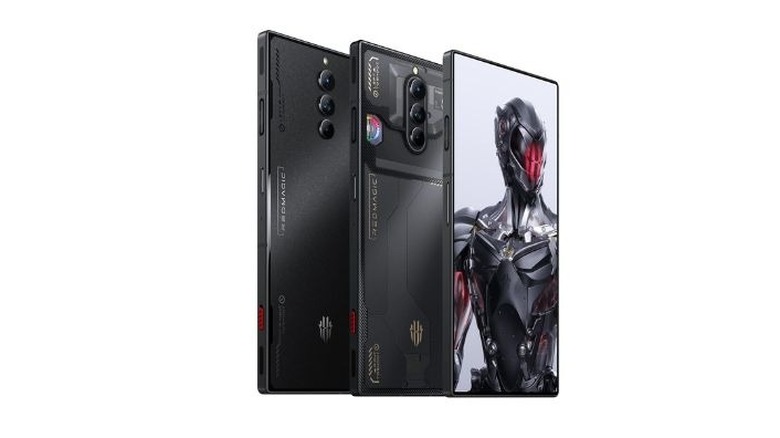
Furthermore, to combat the heat generated by such intense power delivery, manufacturers have integrated massive vapor chamber heat dissipation layers. These cooling systems, originally designed for high-end gaming laptops, are now standard in smartphones to ensure that the charging speed doesn't throttle just as it's getting started.
Longevity vs. Speed: Is Ultra-Fast Charging Killing Your Battery?
The most common question I get as an editor is about the long term effects of ultra fast charging on battery life. The conventional wisdom was that "slow and steady" wins the race for battery health. However, the data from 2026 suggests that this is largely a myth thanks to smarter charging logic.
Manufacturers are now so confident in their thermal management that many provide a 1,600 charge cycle guarantee. This means you can charge your phone from 0 to 100% every single day for over four years and still maintain 80% of the original battery capacity. For most users, who upgrade every two to three years, the battery health will remain well above the threshold of noticeable degradation.
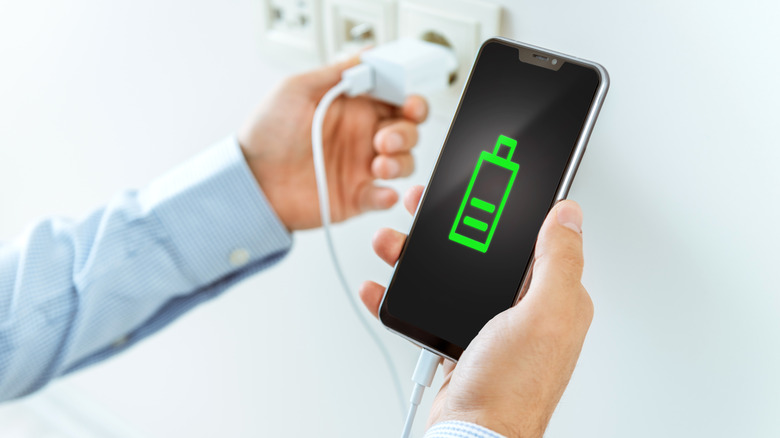
The fast charging battery health impact is mitigated by multi-channel charging logic. The phone doesn't actually pull the maximum wattage for the entire duration of the charge. Instead, it hits the "peak" speed between 0% and 80%, then gradually slows down—a process called trickling—to protect the battery as it reaches full capacity.
Myth vs. Reality
- Myth: Fast charging will make my phone explode.
- Reality: Modern phones have over 10 different temperature sensors and dedicated voltage regulation circuitry to shut down the power flow instantly if any anomaly is detected.
- Myth: I should only charge to 80% to save the battery.
- Reality: While technically true for lithium-ion, 2026's silicon-carbon battery technology is much more resilient to "full" charges.
By spreading the load across a dual-cell battery architecture, the internal heat is significantly reduced compared to older fast-charging methods. You are no longer choosing between speed today and a dead battery tomorrow; you really can have both.
FAQ
Which smartphone has the fastest charging speed available?
As of 2026, the Infinix 260W All-Round FastCharge technology holds the record for the fastest charging speed, followed closely by the commercially available Realme GT3 with its 240W SuperVOOC system. These devices can reach a full charge in under 10 minutes.
Does fast charging damage your phone battery life?
No, modern fast charging does not significantly damage battery life. Advanced thermal management systems and dual-cell designs ensure that heat is kept to a minimum. Most manufacturers now guarantee 1,600 charge cycles while maintaining 80% health, which is better than many older, slower-charging phones.
What is the highest wattage for phone charging currently?
The highest wattage currently seen in the smartphone market is 260W, though the 240W standard is more widely available in commercial flagship devices like the Realme GT series.
Is it safe to use a fast charger every day?
Yes, it is perfectly safe. Modern smartphones and chargers use dedicated charge controller chips to communicate. The phone will only take as much power as it can safely handle. As long as you are using the official charger or a high-quality GaN-certified third-party charger, there is no risk to daily use.
Does charging speed decrease as the battery gets full?
Yes, all fast-charging smartphones use a multi-channel charging logic that slows down the power delivery as the battery nears 100%. This prevents overheating and protects the battery's long-term health during the final stages of the charging cycle.
CTA
Ready to leave the charging cable behind? If you want the absolute pinnacle of speed available in North America, the OnePlus 15 is your best bet for a future-proof device.