Quick Facts
- Market Reach: Amazon reported that global sales of Alexa-enabled devices have surpassed more than 500 million units.
- Compatibility: The ecosystem now syncs with over 100,000 individual devices from approximately 9,500 different brands.
- Consumer Preference: Research shows that 78% of smart home device owners who use voice assistants choose Amazon Alexa for their automation needs.
- Interoperability Standard: Matter protocol is now the mandatory key for seamless cross-brand communication.
- Top Innovation: Proactive sound detection allows triggers based on ambient noise like glass breaking or water running.
- Privacy & Security: Alexa Guard provides automated security features that integrate with existing lighting and alarm systems.
Alexa enhances smart home automation through features like multi-device routines, third-party skills, and hands-free voice control. By syncing smart home automation devices such as lighting and security via the smart home automation app, users achieve a proactive ambient computing experience.
Start your journey into smart home automation by moving beyond basic voice commands. By 2026, Alexa has evolved into a proactive hub powered by the Matter protocol and predictive AI. Discover how the smart home automation app can centralize thousands of smart home automation devices to create a seamless, hands-free living environment.

The Infrastructure: Pre-requisites for 2026 Automation
Setting up a robust smart home automation system requires more than just buying the latest gadgets. To avoid the frustrating lag that plagued early IoT setups, your home needs a solid foundation. In 2026, this means utilizing Wi-Fi 6 or a dedicated Mesh networking system. These technologies ensure that even if you have fifty devices connected, your alexa automation routines execute instantly. For those looking for smart home automation for beginners, starting with a powerful router is the single best investment you can make.
Reliability in the modern era is driven by three pillars: Matter protocol, Zigbee connectivity, and local control. Matter has become the language that allows devices from different manufacturers to speak to one another without needing a dozen different bridges. Zigbee remains vital for low-power sensors that need to run for years on a single battery. By prioritizing devices that support local control, your automations will continue to function even if your internet service provider experiences an outage.
| Feature | Matter Protocol | Zigbee Connectivity |
|---|---|---|
| Primary Benefit | Universal Interoperability | Low Power Consumption |
| Connection Type | Wi-Fi / Thread | Mesh Network |
| Local Execution | High | High |
| Device Range | Dependent on Network | Excellent for large homes |
When you integrate diverse brands into the Amazon Echo ecosystem, you reduce the digital clutter on your phone. Instead of jumping between five different manufacturer apps, the smart home automation app acts as your central command. This centralization is what creates a truly cohesive system rather than a collection of isolated gadgets.
1. Proactive Sound & Gesture Triggers (Beyond Voice)
One of the greatest shifts in alexa smart home automation is the transition from reactive commands to ambient computing. You no longer need to speak to your house to get it to react. With advanced environmental sensors and built-in microphones, Alexa can now listen for specific acoustic signatures. This is particularly powerful for smart home security automation.
For instance, Alexa can detect the sound of a baby crying, a dog barking, or the specific frequency of glass breaking. These sounds can trigger immediate alexa automation routines. If the system hears glass break while you are away, it can turn all your smart home automation lighting control systems to 100% brightness and send a high-priority alert to your phone.
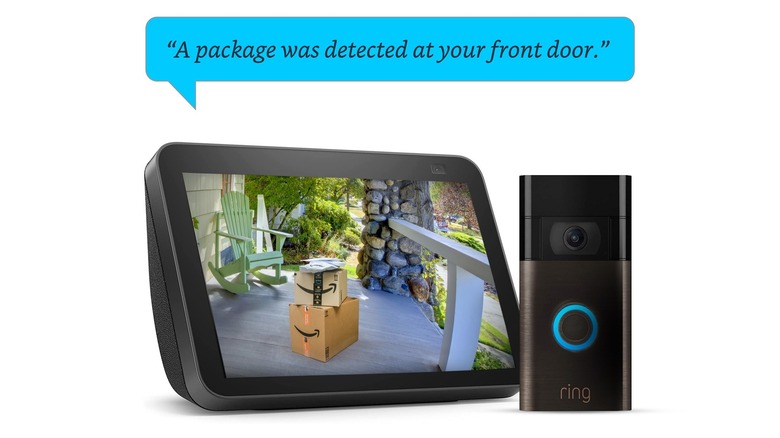
Furthermore, motion detection has moved beyond simple PIR sensors. Modern Echo devices use ultrasound sensing to detect movement in a room. You can set a routine where the office lights and space heater turn on automatically when you walk in, and turn off after ten minutes of inactivity. This leads to a truly voice controlled smart home automation tips experience where the "voice" part is optional.
Alexa, enable Sound Detection for Water Running.
2. Geofencing: Location-Based Scene Management
Geofencing is a hidden gem within the smart home automation app that uses your smartphone GPS to trigger events. Imagine driving within two blocks of your house and having the garage door open, the hallway lights turn on, and the thermostat adjust to your preferred temperature. This is the essence of a welcome home scene that requires zero manual input.
Geofencing triggers solve the problem of app fatigue. You don't want to fumble with your phone while driving to ensure the doors are locked. By setting up an "Away" routine, Alexa can automatically lock all smart deadbolts and turn off all non-essential smart home automation devices the moment your phone leaves a defined radius.
This location-based logic is essential for families. You can set notifications to alert you when a child arrives home from school or when a delivery person enters your driveway. By utilizing the geofencing capabilities within the alexa smart home automation ecosystem, you ensure your home is always in the correct state based on your physical presence.
3. Custom Skill Blueprints for Personalized Control
While there are over 100,000 ready-made skills, the real power lies in Skill Blueprints. These allow you to create personalized alexa skills for smart home control without writing a single line of code. Whether you need a custom guest guide for when friends stay over or a specific chore chart for the kids, Blueprints make the Amazon Echo Show a personalized household manager.
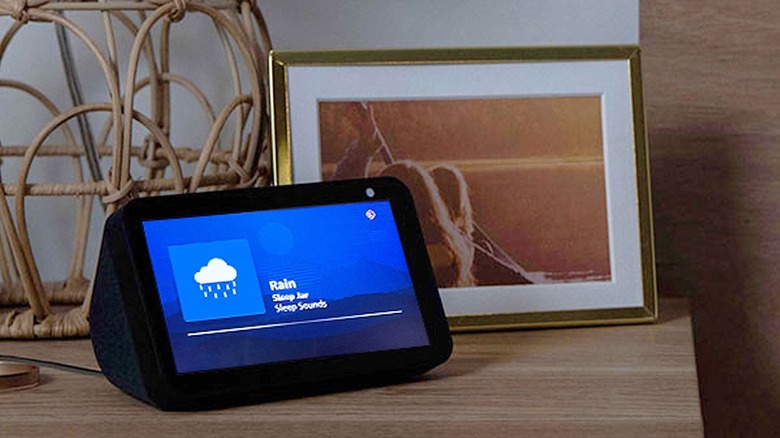
You can design custom routines that integrate specific third-party services like AnyList for groceries or iRobot for cleaning. For example, a "House Guest" Blueprint can allow a visitor to ask, "Alexa, where is the extra towels?" or "Alexa, how do I start the coffee maker?" and receive your pre-recorded, specific instructions.
- Kitchen: Sync AnyList to add items to your grocery list the moment a sensor detects the fridge door closing five times in an hour.
- Living Room: Use iRobot integration to start a vacuum cycle only when the motion sensors confirm no one has been in the room for 30 minutes.
- Bedroom: Set a "Sleep" routine that checks if the back door is locked and the oven is off before dimming the lights.
Alexa, start Guest Guide.
4. Energy Monitoring & Predictive Lighting Control
In 2026, smart home automation is as much about sustainability as it is about convenience. Predictive routines now analyze your usage patterns to suggest ways to save energy. By integrating environmental sensors with your lighting, Alexa can adjust the brightness of your bulbs based on the amount of natural light entering the room, a concept known as daylight harvesting.
Smart home automation lighting control has evolved to include carbon footprint tracking. Alexa can provide reports on which smart home automation devices are consuming the most power. If the system detects that your HVAC is working too hard because a window is open, it can send a notification or even temporarily disable the cooling until the window is closed.
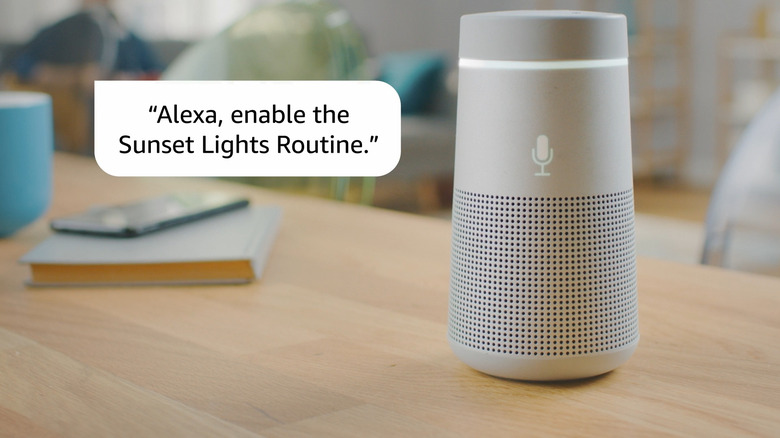
Predictive lighting also uses AI to learn when you typically wake up and sleep. Instead of a jarring alarm, the system can slowly brighten your smart bulbs over thirty minutes, simulating a sunrise. This natural transition is a prime example of how ambient computing improves your daily well-being.
5. Local Control & Matter Interoperability
The fear of a "cloud-dependent" home is fading thanks to the Matter protocol. Previously, if your internet went down, your smart home often became "dumb." Today, Alexa acts as a local bridge for Matter-compatible smart home automation devices. This means that your light switches and sensors communicate directly with your Echo hub over your local network, ensuring that your alexa automation routines work even in an offline state.
This interoperability is crucial for future-proofing your home. You are no longer locked into a single brand. You can mix and match the best smart home automation hubs with sensors from one company and switches from another. For those dealing with legacy wiring, non-neutral-wire smart switches have become a standard, allowing older homes to benefit from modern automation without expensive rewiring.
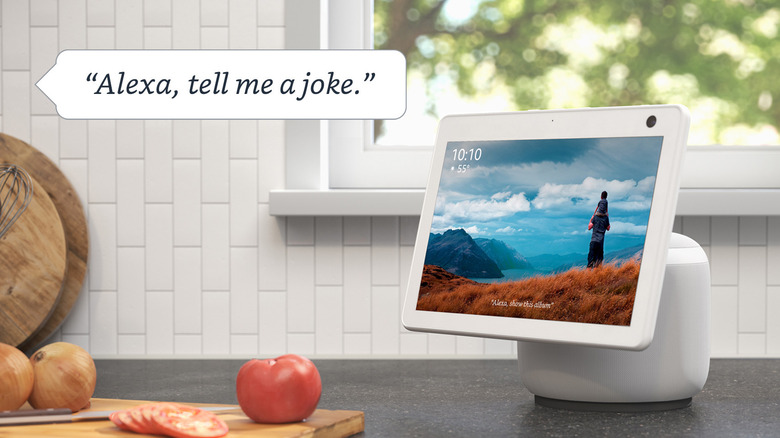
IoT interoperability ensures that as new standards emerge, your current investment remains relevant. By choosing Matter-certified hardware, you are building a resilient network that prioritizes security and speed. This local control approach reduces the data sent to the cloud, enhancing your privacy while cutting down on response times for every command.
Alexa, check the status of all Matter devices.
FAQ
What is smart home automation?
Smart home automation refers to the use of technology to control home systems and appliances automatically or remotely. It involves connecting devices like lights, thermostats, and locks to a central hub or app, allowing them to work together based on schedules, triggers, or voice commands to improve convenience, security, and energy efficiency.
What is the best smart home automation system?
For most users, Amazon Alexa is considered the best smart home automation system due to its massive device compatibility, ease of use, and advanced routine capabilities. While Apple HomeKit and Google Home are strong competitors, Alexa’s support for over 100,000 devices gives it the widest reach for a truly integrated home.
What is an example of a smart home automation system?
A classic example is a "Good Morning" routine. When your alarm goes off, the smart home automation system automatically starts the coffee maker, gradually turns on the bedroom lights, adjusts the thermostat to a comfortable temperature, and reads your daily calendar and weather report. All these actions happen simultaneously without manual intervention.
What is the best DIY home automation system?
Amazon Alexa is the premier choice for a DIY home automation system because it requires no professional installation. Users can start small with a single Echo speaker and a smart plug, then gradually expand their network using the intuitive smart home automation app to add cameras, sensors, and lighting at their own pace.
Is it what is the best home automation system for beginners?
Yes, Alexa is widely regarded as the best home automation system for beginners. The setup process is highly visual and guided, and the community support is vast. Beginners can benefit from voice controlled smart home automation tips that make the learning curve almost non-existent compared to more complex, professionally installed systems.
By mastering these five hidden features, you transform Alexa from a simple voice assistant into a sophisticated brain for your household. The transition to Matter protocol and ambient computing represents the next frontier of living, where your home anticipates your needs before you even realize them. Whether you are focusing on smart home security automation or reducing your energy bill with predictive lighting, the tools are already at your fingertips. Now is the time to dive deep into your settings and unlock the full potential of your connected environment.