Our Top Picks
The Verdict: The iPhone 17e is the ultimate upgrade for those on iPhone 11 or 12, offering 5+ years of longevity through the A19 chip. Best Feature: 256GB base storage standard at a $599 entry price. Design: Classic 6.1-inch notched display with modern Ceramic Shield 2 durability.
The Apple iPhone 17e is the new standard for entry-level value, combining flagship A19 performance with the reliable iPhone 14 chassis. By placing a high-end processor inside a familiar frame, Apple has created a device that prioritizes internal power and long-term software support over cosmetic trends like the Dynamic Island.
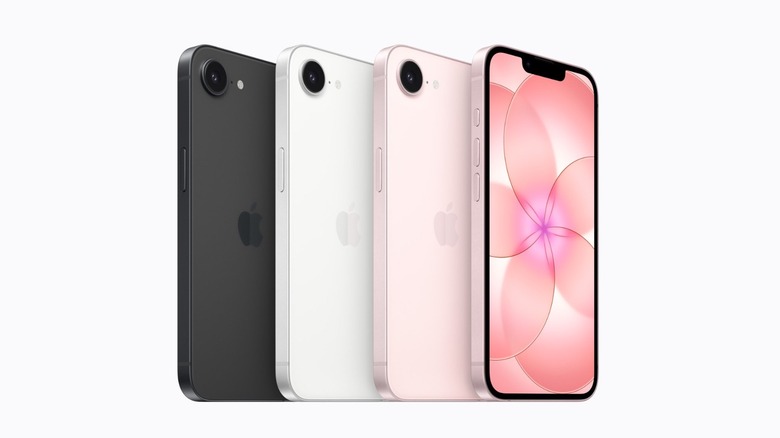
For years, the entry-level iPhone experience was defined by the aging SE design. The iPhone 17e changes the narrative by adopting the sleek, glass-and-aluminum iPhone 14-style chassis while leapfrogging the performance of even the most recent standard models. This "inside-out" strategy allows Apple to keep the price at a competitive $599 while ensuring the device remains relevant for nearly a decade of iOS updates.
Performance: A19 Power and Longevity
The heart of the iPhone 17e is the A19 chip, the same silicon architecture powering Apple’s most expensive flagship devices. For the iPhone 17e A19 performance profile, Apple utilizes a 6-core CPU and a binned 4-core GPU. While it lacks the extra GPU core found in the Pro models, the daily performance remains indistinguishable for the average user.
When analyzing the A19 chip performance in iPhone 17e for daily tasks, the 6-core CPU architecture ensures that multitasking between heavy apps like social media, navigation, and photo editing is fluid. The 16-core Neural Engine is perhaps the most critical inclusion here, as it provides the necessary mobile AI processing power to handle the advanced features introduced in iOS 26. This hardware longevity is what sets the iPhone 17e apart from mid-range Android competitors; it is built to be just as fast in 2030 as it is at its 2026 launch.
Targeting Geekbench single-core scores of over 3600, this entry-level smartphone rivals the iPhone 17 Pro in tasks that rely on burst speed. For the value-oriented consumer, this means your phone won't feel "slow" after two years of use. Whether you are gaming or using augmented reality filters, the A19 ensures that the hardware is never the bottleneck.
Design and Display: Familiar Form with New Durability
While the internals are futuristic, the exterior of the iPhone 17e stays grounded in the familiar. It utilizes a 6.1-inch OLED display technology with a 60Hz refresh rate and a notch design, mirroring the dimensions of the iPhone 14.
This decision to stick with the notch rather than the Dynamic Island is a clear cost-saving measure, but it allows for a lower entry price. To compensate, Apple has integrated iPhone 17e Ceramic Shield 2 scratch and drop resistance. This new glass formulation is significantly tougher than previous iterations, offering better protection against the micro-abrasions that often plague older devices.
What’s Missing?
- Dynamic Island: You’ll still have the notch at the top of the screen.
- ProMotion: The 60Hz refresh rate is standard, meaning you won't get the ultra-smooth 120Hz scrolling found on Pro models.
- Camera Control: The dedicated physical button for camera functions remains exclusive to the more expensive iPhone 17 models.
- Action Button: The traditional mute switch remains on the side of the device.
The iPhone 17e design without Dynamic Island or Camera Control results in a very clean, classic look. For users who prefer the ergonomic feel of the iPhone 14, this is a welcome return. Color choices are sophisticated and include Black, Silver, and a standout iPhone 17e pink color and silver vs black comparison that reveals a softer, more matte finish than previous years.
Modern Essentials: MagSafe, USB-C, and Connectivity
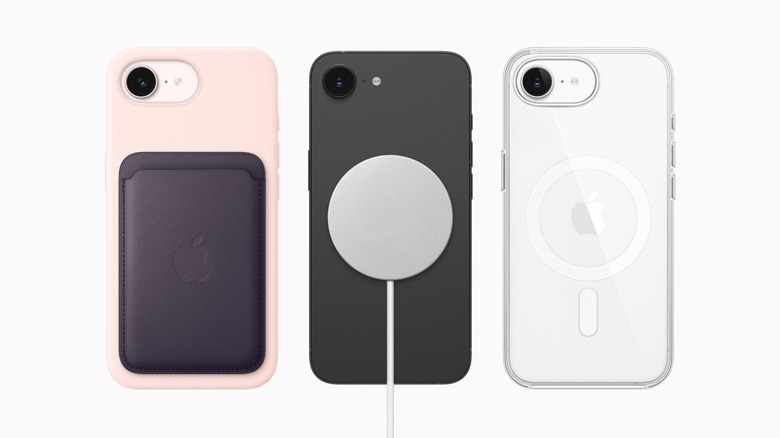
One of the most significant upgrades in this legacy shell is the modern connectivity suite. For the first time at this price point, we see full iPhone 17e MagSafe features and accessory compatibility. This includes support for the Qi2 wireless standard, allowing for 15W charging speeds with a wide variety of third-party magnetic chargers and wallets.
Connectivity is further bolstered by the C1X 5G modem, which offers better 5G network efficiency and reduced power consumption compared to the modems found in the iPhone 13 or 14. This modem also enables new privacy features in iOS 26, allowing users to mask sensitive location data from carriers at the hardware level.
In terms of physical ports, the transition to a USB-C charging port is complete. While the iPhone 17e charging speeds and C1X 5G modem features are capped at USB 2.0 data transfer rates, the convenience of using the same cable for your iPad, MacBook, and iPhone cannot be overstated. Wired fast charging allows the device to reach a 50% charge in approximately 30 minutes, and the battery life is rated for up to 26 hours of video playback.
Value Analysis: The Best $599 Upgrade Path
The most compelling argument for the iPhone 17e is the iPhone 17e 256GB base storage value analysis. Historically, Apple’s base models started at 64GB or 128GB, forcing users to pay a premium for more space. By making 256GB the standard, the $599 price point becomes one of the best deals in the smartphone market.
| Feature | iPhone 11 | iPhone 17e | iPhone 17 (Base) |
|---|---|---|---|
| Chipset | A13 Bionic | A19 Bionic | A19 Bionic |
| Display | LCD (828p) | OLED (1170p) | OLED (1170p) |
| Refresh Rate | 60Hz | 60Hz | 120Hz (ProMotion) |
| Base Storage | 64GB | 256GB | 128GB |
| Port | Lightning | USB-C | USB-C |
| Design | Rounded Edges | Flat Edge (Notch) | Dynamic Island |
The iPhone 17e vs iPhone 11 performance for upgraders is a night-and-day difference. Users moving from an iPhone 11 will notice a 4x increase in CPU speed and a massive jump in camera low-light performance. Furthermore, the difference between iPhone 17e and base iPhone 17 mostly comes down to display tech and the Camera Control button. If you can live with a 60Hz screen and a notch, the iPhone 17e budget upgrade value is simply unbeatable.
From a sustainability standpoint, the iPhone 17e emphasizes smartphone repairability. The iPhone 14 chassis was the first to feature a removable back glass panel, making battery and screen replacements significantly cheaper and easier for third-party technicians. Combined with the iOS 26 functionality that promises years of security patches, this device is designed to be kept for the long haul.
The iPhone 17e represents a shift in Apple's strategy. It is no longer about forcing users to buy the latest design to get the latest power. Instead, it offers a pragmatic choice: the best possible internals in a chassis that is proven, durable, and affordable. For the value-oriented consumer who wants the performance of 2026 without the $1,000 price tag, this is the phone to wait for.
FAQ
When is the iPhone 17e release date?
The iPhone 17e is expected to be officially released on March 11, 2026, following Apple’s traditional spring hardware event cycle.
What is the expected price of the iPhone 17e?
Market reports and supply chain leaks suggest the iPhone 17e will start at an aggressive price of $599, which includes a generous 256GB of base storage.
How is the iPhone 17e different from the iPhone 17?
The main differences lie in the exterior and display. The iPhone 17e uses an older notched design and a 60Hz screen, whereas the standard iPhone 17 features the Dynamic Island, ProMotion 120Hz refresh rates, and the new physical Camera Control button.
Will the iPhone 17e replace the iPhone SE?
Yes, the iPhone 17e is positioned to effectively replace the iPhone SE as the entry-level model in Apple’s lineup, moving the "budget" tier away from the home button design and into the modern all-screen era.
Will the iPhone 17e support Apple Intelligence?
Yes, thanks to the A19 chip and its 16-core Neural Engine, the iPhone 17e is fully compatible with the suite of Apple Intelligence features, including advanced Siri capabilities and on-device image generation.