Quick Facts
- Release Window: Announcement expected late 2026; retail launch tracking for early 2027
- Build Material: High-end cellulose acetate available in Wayfarer, Clubmaster, Round, and Cat-eye styles
- Core Technology: Dual-camera system for visual intelligence with no integrated lens display for Gen 1
- Hardware Specs: Custom S-series silicon and open-ear spatial audio
- Color Palette: Available in Black, Ocean Blue, and Light Brown finishes
- Connectivity: Requires iPhone sync for processing, AI handoff, and GPS navigation
- Shipment Targets: Projected 3 million to 5 million units in the first year
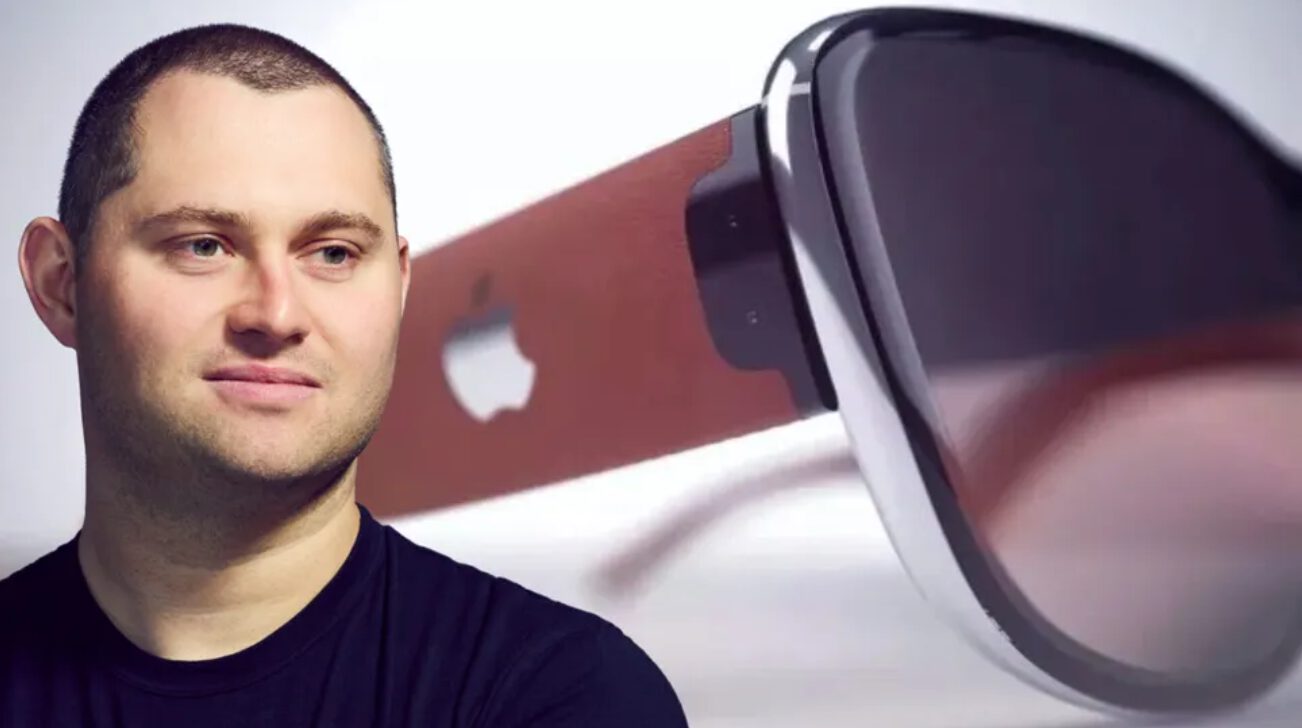
Apple is expected to unveil its smart glasses in late 2026, targeting a holiday release to compete with Meta. These glasses will reportedly feature high-end acetate frames rather than plastic, available in multiple styles and colors like ocean blue and light brown. Unlike headsets, they are designed to look like traditional eyewear while housing cameras, microphones, and custom Apple silicon.
Design: Why Premium Acetate Changes the Game
For years, the wearable tech industry has struggled with a fundamental branding problem: devices often look like gadgets rather than accessories. Apple appears ready to solve this by moving away from the injection-molded plastics common in the category. Instead, the company is leaning into premium acetate smart glasses. Cellulose acetate is the gold standard in the optical industry, favored by luxury boutiques for its deep luster, durability, and the way it can be polished to a mirror-like finish.
By utilizing acetate, Apple can offer a product that feels less like a piece of silicon valley hardware and more like a curated fashion choice. The roadmap suggests a launch with four distinct frame styles: the classic Wayfarer, the sophisticated Clubmaster, a minimalist Round frame, and a trendy Cat-eye. This variety is a clear signal that Apple wants these to be daily-wear items, not just niche tools for tech enthusiasts.
The color options also deviate from the standard tech-black. While a matte and gloss black will undoubtedly be available, the addition of ocean blue and light brown provides a softer, more organic aesthetic. Light brown, in particular, often mimics tortoise shell patterns in acetate, which would further help the device blend into professional and social environments. This fashion-first approach is essential because, as a mobile editor, I have seen countless smart glasses fail simply because people were embarrassed to wear them in public.
Technical Specs: The N50 Hardware & Visual Intelligence
Internally referred to by the codename N50, Apple smart glasses represent a significant departure from the Vision Pro philosophy. While the headset was about total immersion, the N50 is about ambient computing. The most notable hardware decision is the absence of a transparent display in the first generation. By removing the need for waveguides or micro-LED projectors, Apple can keep the weight down to that of a standard pair of glasses, likely under 50 grams.
The heart of the device is a modified S-series chip, similar to those found in the Apple Watch. This silicon will manage a dual-camera system designed for visual intelligence. This is not just about taking photos; it is about the glasses seeing the world alongside you. Imagine walking through a new city and having Siri whisper directions into your ear because the cameras recognized a specific landmark. This type of contextual navigation is the primary use case for the Gen 1 device.
Privacy, of course, remains a cornerstone of the design. Expect to see highly visible camera indicators—perhaps a physical LED or a distinct lens tint—that alerts others when the cameras are active. Apple smart glasses privacy settings for camera recording will likely be integrated directly into the iOS settings app, giving users granular control over when the sensors are active. This is a crucial step in gaining public trust for a device that essentially places a camera on your face.
The iPhone Sync: A Dedicated Ecosystem Accessory
One of the most frequent questions I get about upcoming wearables is whether they can replace the smartphone. For the N50, the answer is a definitive no. These are designed as iPhone compatible smart glasses that offload processing tasks to the paired smartphone to save on battery and reduce heat.
The synergy between the devices will likely rely on a high-bandwidth, low-latency connection. This enables features like Device Handoff and spatial audio continuity. If you are listening to a podcast on your iPhone and put on your glasses, the audio should seamlessly transition to the open-ear speakers in the frame. Furthermore, how Apple smart glasses integrate with iPhone apps will be their greatest competitive advantage. Your calendar, maps, and reminders will provide contextual notifications through audio cues, reducing the need to constantly pull your phone out of your pocket.
This ecosystem approach allows Apple to solve the "physics problem" of smart glasses. Modern batteries cannot yet power high-end AI processing and a display in a frame that doesn't burn the wearer's temple. By letting the iPhone do the heavy lifting, the N50 glasses can maintain a slim profile while still offering advanced Apple Intelligence features.
Apple vs Meta: Which Smart Glasses Should You Buy?
The comparison between Apple vs Meta smart glasses is inevitable. Meta, currently leading the market with its Ray-Ban collaboration, has proved that there is a massive appetite for audio-only glasses with a camera. However, the two companies are taking very different paths.
| Feature | Meta Ray-Ban (Current) | Apple Smart Glasses (N50) |
|---|---|---|
| Material | Standard Plastic/Injected | Premium Cellulose Acetate |
| Ecosystem | Meta Horizon / App-based | Deep iOS / iCloud Integration |
| Processing | On-device Snapdragon AR1 | iPhone Sync / S-series Chip |
| Audio | Directional Speakers | Spatial Audio Continuity |
| Style Options | 2 Main Styles | 4 Styles (Wayfarer to Cat-eye) |
When considering Apple vs Meta smart glasses for iPhone users, the choice often comes down to ecosystem loyalty. Meta’s glasses work well with Instagram and WhatsApp, but they cannot access the core system functions of an iPhone. Apple’s version will feel like a natural extension of your digital life. If you are deep in the iOS ecosystem, waiting for Apple smart glasses vs buying Meta Ray-Bans is generally the smarter move, as the long-term utility of Apple’s visual intelligence navigation guide and Siri integration will likely outpace Meta’s standalone features.
Practicalities: Battery, Heat, and Prescription Lenses
One of the biggest hurdles for any smart eyewear is the heat generated by the processors. During my time testing current-gen smart glasses, I have noticed that AI processing often hits a "burst limit" where the device becomes uncomfortably warm after 15 to 30 minutes of heavy use. Apple’s strategy of offloading the compute load to the iPhone is specifically designed to mitigate this.
As for the retail experience, Apple is expected to leverage its existing Vision Pro infrastructure. This means that users will likely be able to order custom prescription lenses through the Apple Store, potentially in partnership with ZEISS. Given that acetate frames are easier for opticians to work with than rigid plastic, we might even see a program where users can have their lenses fitted at local boutique opticians.
The battery life remains the final frontier. While we don't have exact numbers, the target for these devices is usually "all-day wear" with intermittent usage. This means the glasses should last from morning to night for notifications and occasional AI queries, with a charging case—likely finished in leather or a premium fabric—providing top-ups throughout the day.
FAQ
When is the release date for Apple smart glasses?
Current industry reports and supply chain analysts suggest that Apple is targeting a reveal in late 2026, likely during the September or October keynote. A retail launch would follow in early 2027 to ensure supply chains are ready for the initial demand.
How are Apple glasses different from the Vision Pro headset?
The Vision Pro is a Mixed Reality headset designed for immersive computing, featuring internal displays and high-power M-series chips. In contrast, the smart glasses are a lightweight, ambient computing accessory without a display, focused on audio, visual intelligence, and looking like traditional fashion eyewear.
Will Apple smart glasses support prescription lenses?
Yes, Apple is expected to offer a streamlined process for prescription lenses. Leveraging the lessons learned from the Vision Pro launch, users will likely be able to submit their prescriptions during the checkout process to receive glasses with custom-ground lenses.
Do Apple smart glasses require an iPhone to function?
Yes, the first generation of these glasses is designed as a companion device. They will offload the majority of their processing, GPS data, and AI computations to a paired iPhone to maintain a slim, lightweight frame and prevent overheating.
How will Apple ensure privacy with its smart glasses?
Apple is expected to implement physical privacy indicators, such as a prominent LED light that illuminates whenever the cameras are active. Additionally, all visual intelligence processing is expected to happen either on-device or via encrypted tunnels to the iPhone, adhering to Apple's strict privacy standards.
The 2026 Roadmap: A Final Takeaway
As we look toward the 2026 reveal, it is clear that Apple is playing the long game. They aren't trying to build a face-worn computer yet; they are building a pair of glasses that you actually want to wear. By prioritizing cellulose acetate and the diverse styles of Wayfarer and Clubmaster, they are addressing the fashion barrier that has held this category back for a decade.
The N50 project represents the first step toward a world where our digital assistants are always with us, seeing what we see and hearing what we hear, without the social friction of a giant headset. For the millions of us already carrying an iPhone, these glasses might just be the most important accessory since the original Apple Watch. Stay tuned as we move closer to the 2027 launch, as this is one wearable that will truly redefine our relationship with ambient technology.