Our Top Picks
The Apple Watch Series 11 is the definitive choice for most users in 2026, offering the best balance of health precision and hardware durability. It is specifically recommended for those who prioritize seamless ecosystem integration and need a screen that can survive the rigors of an active lifestyle without constant worry about scuffs.
The Apple Watch Series 11 (46mm) is ranked as the top smartwatch by Consumer Reports due to its excellent performance in scratch resistance, health tracking, and outdoor visibility. This flagship piece of wearable technology provides a sophisticated blend of style and utility, ensuring that health-conscious consumers have access to the most accurate data available on their wrists.
Why Consumer Reports Ranks It #1: The Testing Results
When looking at the latest Consumer Reports Apple Watch Series 11 testing results, it becomes clear why this device has secured the top spot. The lab testing focuses heavily on the actual resilience of the hardware, and the Series 11 sets a new benchmark for the aluminum casing category. Apple has implemented a new display technology that combines Ion-X glass with a specialized ceramic coating. According to official testing data, this display is twice as resistant to scratches as the glass found on the previous generation.
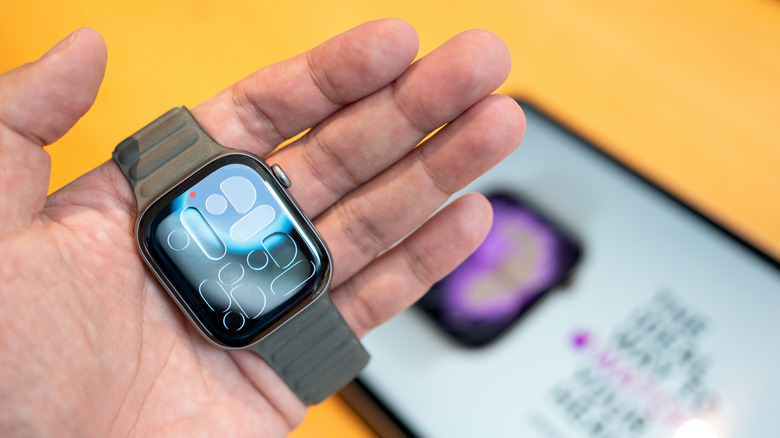
In real-world usage, this means you can transition from a heavy weightlifting session at the gym to a formal dinner without worrying about unsightly marks on your watch face. The durability testing also highlights the structural integrity of the aluminum casing, which remains the preferred choice for athletes who want a lightweight feel during high-intensity fitness metrics tracking. For runners, the ability to bump against equipment or accidentally brush against a brick wall without leaving a permanent scar on the device is a massive relief. This Apple Watch Series 11 scratch resistant glass review data confirms that the brand has finally solved one of the biggest pain points for the standard aluminum models.
Apple Watch Series 11 GPS vs Cellular: Which Should You Choose?
Deciding between the Apple Watch Series 11 GPS vs Cellular model often comes down to how you plan to use the device away from your iPhone. In my testing, the primary differentiator isn't just the red ring on the digital crown, but the Apple Watch Series 11 battery life comparison. The GPS-only model is surprisingly efficient, providing roughly three days of battery life under normal conditions. This is a noticeable jump for those used to daily charging. In contrast, the GPS + Cellular version lasts approximately two days, as the constant search for a signal naturally draws more power.
The official technical specifications note that the Apple Watch Series 11 is rated for up to 24 hours of battery life on a single charge, which represents a 33 percent increase over the 18-hour battery life of the Series 10. When you factor in Low Power Mode, these numbers can be extended significantly.
To help you decide, consider the Total Cost of Ownership (TCO) over a three-year period. While the upfront price difference is usually around $100, the cellular service fees add up.
| Expense Item | GPS Only Model | GPS + Cellular Model |
|---|---|---|
| Initial Purchase Price | ~$399 | ~$499 |
| Monthly Service Fee ($10/mo) | $0 | $360 |
| Activation Fees | $0 | ~$35 |
| Total 3-Year Investment | $399 | $894 |
If you frequently go for runs without your phone or need the safety of Family Setup for a child or elderly relative, the cellular version is essential. However, for the average user who always has their phone within 30 feet, the Apple Watch Series 11 battery life GPS vs Cellular trade-off makes the GPS-only model a very attractive and cost-effective choice.
Advanced Health Tracking: From Sleep to Hypertension
The core reason many people invest in this device is the Apple Watch Series 11 health tracking features. This year, the focus has shifted from simple activity monitoring to proactive health management. The heart rate sensor remains the gold standard for accuracy in the consumer space, providing the foundation for everything from calorie burn to stress alerts.
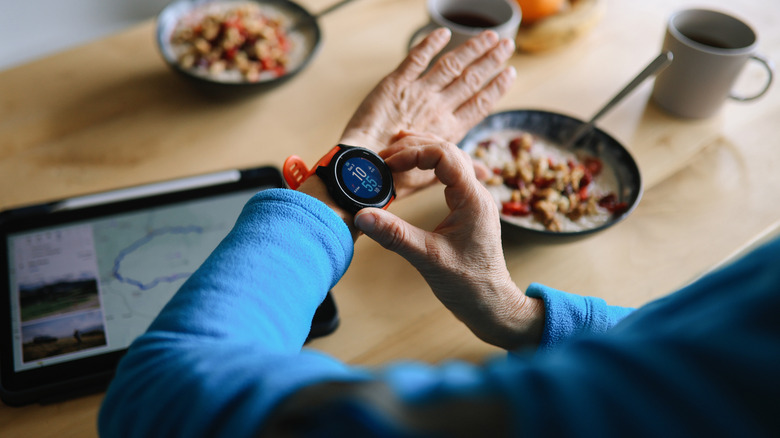
One of the most talked-about updates is the blood pressure sensor accuracy. While it is important to note that this is not a medical-grade blood pressure monitor, the device uses advanced algorithms and heart rate sensors to detect trends that might indicate hypertension. If the watch detects consistently high readings over several days, it will alert the user to seek professional medical advice.
Sleep tracking has also seen a significant overhaul. The new sleep tracking score interpretation tool gives users a single, easy-to-understand rest score each morning. This score is calculated by analyzing:
- Bedtime consistency and total sleep duration.
- Time spent in deep, core, and REM sleep stages.
- The frequency of interruptions throughout the night.
- Potential sleep apnea alerts, which have received FDA clearance in multiple regions.
For the health-conscious consumers I speak with, this data isn't just noise; it’s a lifestyle coach. Understanding why you feel sluggish on a Tuesday morning because your "interruption frequency" was high on Monday night allows for better decision-making regarding caffeine intake or evening routines.
Display Performance and Outdoor Visibility
Apple continues to lead the market in screen technology with the LTPO3 wide-angle OLED display found on the Apple Watch Series 11. The headline feature here is the 2000 nits peak brightness. For anyone who has tried to check their pace during a midday run in mid-July, the Apple Watch Series 11 visibility in direct sunlight is a game-changer. The screen remains perfectly legible even when the sun is directly overhead, eliminating the need to cup your hand over the watch face.
The wide-angle viewing capability is also worth noting. It allows you to glance at the time or a notification from a sharp angle, which is incredibly useful when your hands are on a steering wheel or a bicycle handlebar. Furthermore, the integration of fast charging means that even if you forget to charge it overnight, a quick 15-minute boost while you get ready in the morning provides enough power to get through most of the day.
Price, Color Options, and the Best Non-Apple Alternative
The Apple Watch Series 11 price and color options are designed to appeal to a wide variety of tastes. The aluminum model is available in Jet Black, Rose Gold, Silver, and Space Gray. Prices typically range between $370 and $500 depending on the size (42mm vs 46mm) and the connectivity choice. Retailers often run promotions, so it is possible to find the base model at the lower end of that spectrum during holiday sales.
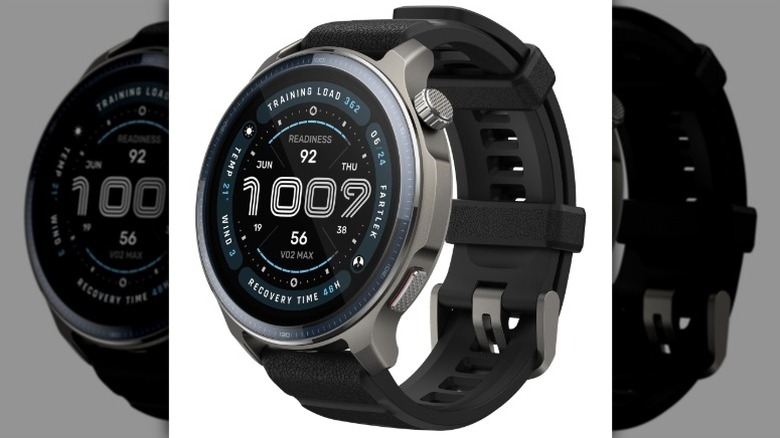
However, if you are not an iPhone user or if you find the battery life of the Apple Watch insufficient for your needs, there are excellent alternatives. In the Apple Watch Series 11 vs Amazfit Balance 2 for non-Apple users debate, the Amazfit holds a strong position. The Amazfit Balance 2 offers a more traditional round watch design and an incredible 18-day battery life. While it lacks some of the deep ecosystem features like fall detection and ECG monitoring found in the Apple Watch, it includes a sapphire glass screen and offline navigation maps, which performed exceptionally well in my durability testing.
For those firmly in the Apple device ecosystem, the Series 11 remains the superior choice due to its tight integration with iOS, Apple Fitness+, and the sheer accuracy of its health sensors.
FAQ
Is the Apple Watch Series 11 worth the upgrade?
If you are coming from a Series 7 or older, the upgrade is substantial. You will notice a significantly brighter display, much faster charging, and the addition of modern health sensors like the hypertension trends and sleep apnea detection. However, if you currently own a Series 10, the improvements in battery and scratch resistance are great but might not justify the immediate cost unless you are an outdoor enthusiast who needs the extra durability.
Will the Apple Watch Series 11 have better battery life?
Yes, the Series 11 offers a measurable improvement in battery performance. With a more efficient processor and optimized display tech, users can expect roughly 24 to 36 hours of normal use, stretching to 3 days on the GPS-only model if managed carefully. This is a significant step up from the 18-hour standard that defined previous generations.
What health sensors are expected in the Apple Watch Series 11?
The Series 11 includes a high-precision optical heart rate sensor, an electrical heart sensor for ECGs, a blood oxygen sensor, and a skin temperature sensor. The standout addition is the software-driven hypertension alert system and refined sleep apnea detection, both of which utilize the existing hardware sensors more intelligently.
How does the Apple Watch Series 11 compare to the Series 10?
The primary differences lie in durability and battery. The Series 11 features Ion-X glass with a ceramic coating that is twice as scratch-resistant as the Series 10. Additionally, the Series 11 sees a roughly 33 percent increase in official battery life ratings, moving from 18 hours to 24 hours of standard use.
What are the new features of the Apple Watch Series 11?
Key new features include the improved 2000-nit wide-angle OLED display, the ultra-durable ceramic-coated glass, hypertension trend monitoring, and enhanced sleep tracking scores. It also features a more powerful chip that enables faster on-device Siri processing and smoother haptic feedback.
Is the Apple Watch Series 11 waterproof?
The Apple Watch Series 11 maintains a WR50 water resistance rating, meaning it is water-resistant up to 50 meters. It is perfectly safe for swimming in a pool or the ocean, and it includes the Depth app for casual snorkeling. However, it is not designed for high-speed water sports or deep-sea diving, which are better suited for the Apple Watch Ultra series.