Quick Facts
- The 80% Rule: Keep your state of charge between 20% and 80% for daily use to minimize chemical stress.
- Replacement Cost: Replacing a modern EV battery pack can cost upwards of $20,000, making maintenance a high-stakes priority.
- Charging Speed: Level 2 AC home charging is the healthiest option for long-term capacity retention.
- Temperature Impact: Cold weather can lead to a 10% to 36% range loss and slower charging speeds.
- Storage Sweet Spot: If leaving your car for weeks, aim for a 40-60% state of charge in a climate-controlled environment.
- Fast Charging Penalty: Frequent use of ultra-fast chargers can double the rate of battery capacity loss over time.
The best EV charging habits involve maintaining a state of charge (SoC) between 20% and 80% to minimize voltage stress on lithium-ion chemistry. By avoiding deep discharges and excessive 100% charging, you can effectively maximize electric car battery life and prevent premature capacity loss.
The Invisible Engine: Why Your Battery Needs a Bodyguard
When you drive off the lot in a brand-new electric vehicle, the excitement is usually centered on the instant torque and the silent cabin. However, what most sales reps won't emphasize is that you are now the primary caretaker of a complex, sensitive chemical ecosystem. Your battery isn't just a fuel tank; it is a high-performance organ that reacts to how you treat it.
The transition from internal combustion to electric power requires a shift in mindset. We are used to running gas cars until the light flickers and then filling them to the brim. If you apply that same logic to your EV, you are essentially inviting premature degradation. Think of your battery as an athlete. An athlete performs best when they aren't completely exhausted or overstuffed after a massive meal. Keeping your battery in its comfort zone is the single most effective way of preventing EV battery degradation.
Mastering the 20-80% Routine
The primary factor in how your battery ages is voltage stress. Lithium-ion batteries are most stable when they are sitting in the middle of their capacity range. When you push the state of charge toward 100%, you are essentially forcing ions into a crowded space at high pressure. This creates heat and physical strain on the internal structure of the battery. Conversely, letting the charge drop toward 0% causes a different kind of chemical instability.
For your daily EV charging routine for maximum battery longevity, the goal is to set a ceiling. Most modern EVs allow you to access the charging menu through the infotainment screen or a mobile app. Here is how to set EV charging limit to 80 percent: navigate to the energy or charging settings, find the charge limit slider, and move it to 80%. This simple software adjustment acts as an insurance policy for your vehicle's future resale value.
By staying within this 20-80% window, you reduce the depth of discharge during each trip. Smaller, more frequent charging sessions are significantly better for lithium-ion chemistry than one massive charge once a week. It keeps the internal voltage stable and reduces the "expansion and contraction" cycles that eventually lead to micro-fractures in the battery's anode and cathode.
The Villains of Battery Health: Heat, Cold, and Fast Charging
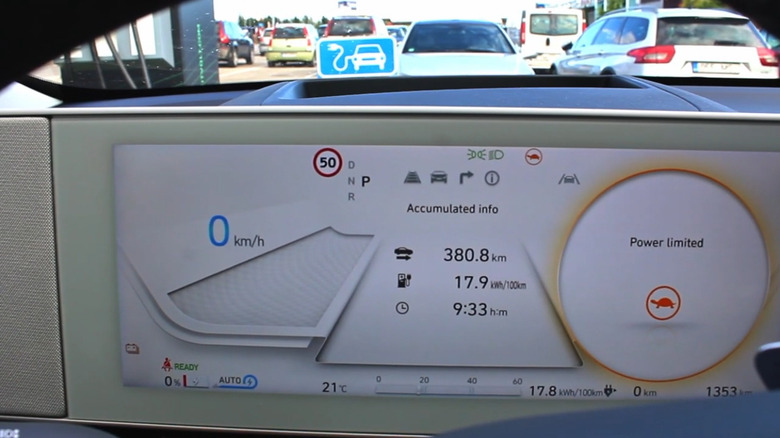
If voltage is the slow-acting stressor, heat is the acute enemy. High-power DC fast charging is a marvel of modern engineering, allowing us to add hundreds of miles in minutes. But there is a hidden cost. Frequent reliance on high-power DC fast charging above 100kW can double an electric vehicle's annual battery degradation rate from 1.5% to approximately 3.0%.
When you pump massive amounts of current into the pack, the internal resistance generates significant heat. While the vehicle's thermal management system works overtime to cool the cells, the localized stress is still higher than during a slow AC charge.
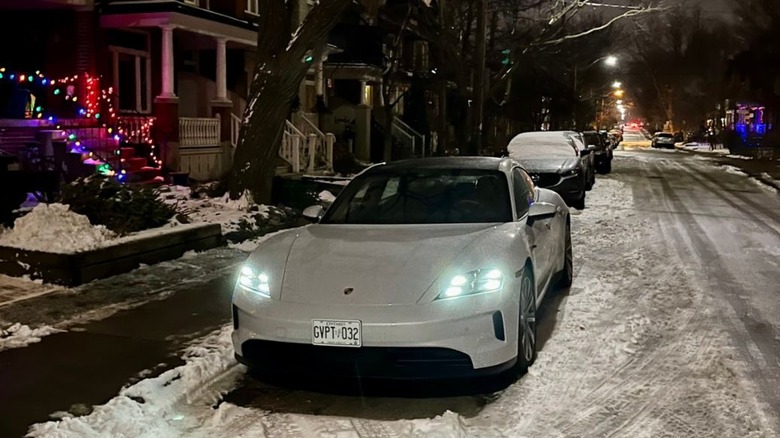
Then there is the issue of extreme temperatures. In the winter, the chemical reactions inside the battery slow down. If you attempt to fast charge a "cold" battery, you risk a phenomenon called lithium plating, where lithium ions coat the surface of the anode instead of moving into it. This is why preconditioning EV battery in cold weather before charging is so critical. Most EVs will automatically begin heating the battery if you program a fast-charger into the on-board navigation. This ensures you reach the best EV battery temperature for fast charging performance, protecting the pack while speeding up your stop.
Real-world data shows that electric vehicle battery degradation significantly accelerates only when a vehicle habitually spends more than 80% of its total time at extremely high or extremely low states of charge. If you live in a scorching climate like Arizona or a frozen one like Minnesota, your EV battery health tips should always include parking in the shade or a garage whenever possible to help the thermal management system maintain a steady baseline.
Hardware and Software: Beyond the Plug
While your habits matter most, the technology behind the scenes is doing the heavy lifting. Every modern EV is equipped with a Battery Management System (BMS). This is the "brain" that monitors every individual cell, ensuring they stay balanced and don't overheat.
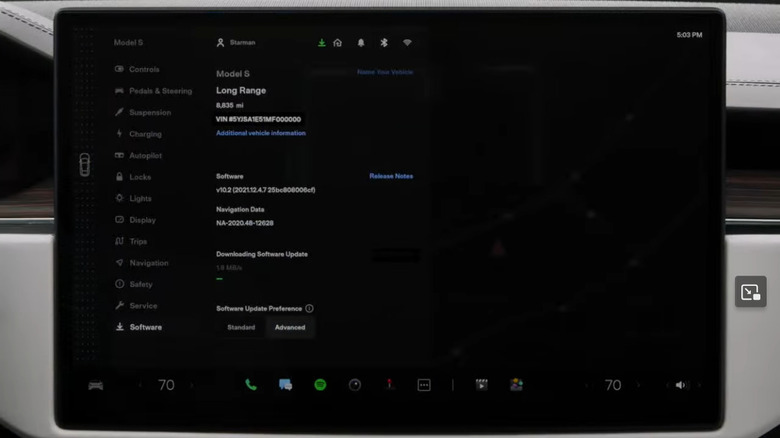
One thing many new owners overlook is the importance of EV software updates for battery longevity. Manufacturers frequently release over-the-air updates that refine how the BMS handles charging curves or how the thermal management system responds to ambient air. These updates aren't just about new games on the screen; they are often critical adjustments that improve capacity retention over the life of the vehicle.
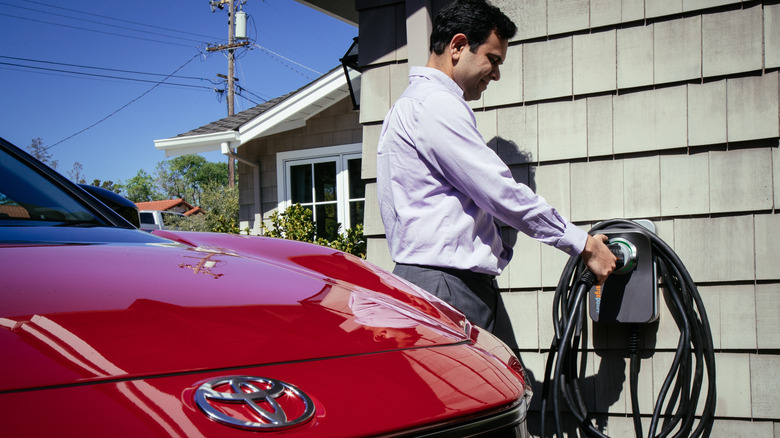
On the hardware side, ensure your home charging setup meets high standards. Always use equipment that has been tested for EVSE safety standards. Regularly inspecting EV charging cables for wear and safety can prevent electrical resistance issues that might cause heat buildup at the charge port.
Strategy by Chemistry: NMC vs. LFP
Not all batteries are created equal, and your specific chemistry dictates your rulebook. Most long-range EVs use Nickel-Manganese-Cobalt (NMC) batteries, which are energy-dense but sensitive to being kept at 100%. If you have an NMC battery, the 80% rule is your bible.
However, a growing number of "Standard Range" models use Lithium Iron Phosphate (LFP) chemistry. LFP batteries are more durable and less prone to fire, but they have a quirk: the BMS often struggles to accurately calculate the remaining range unless the battery is regularly charged to 100%. If you own an LFP-equipped car, you might be instructed by the manufacturer to charge to full once a week. This "resets" the sensors and ensures the cells remain balanced. Knowing your vehicle's specific lithium-ion chemistry is essential for establishing the right daily EV charging routine for maximum battery longevity.
The Exceptions: When to Break the Rules
Is it ever okay to charge to 100%? Absolutely. Charging EV to 100 percent for long distance trips is expected and perfectly fine, provided you don't let the car sit at 100% for days. The damage occurs when the battery stays at a high state of charge for extended periods. If you are leaving for a road trip at 8:00 AM, set your car to finish charging to 100% at 7:45 AM.
| Scenario | Recommended SoC Limit | Charging Speed | Preconditioning Needed? |
|---|---|---|---|
| Daily Commute | 80% | Level 2 (AC) | No (unless very cold) |
| Long Road Trip | 100% | DC Fast Charge | Yes (for speed & health) |
| Long-term Storage | 50% | Unplugged | No |
| Weekly LFP Reset | 100% | Level 2 (AC) | No |
Another great habit is scheduling EV charging for off-peak electricity hours. This doesn't just save you money by utilizing time-of-use utility rates; it often means the electricity is being delivered at a time when the grid is less stressed and ambient temperatures are cooler, which is a subtle win for your thermal management system.
FAQ
Is it better to charge an EV to 80% or 100%?
For daily use, charging to 80% is significantly better for battery health as it reduces voltage stress on the cells. You should only charge to 100% when you specifically need the extra range for a long trip, and you should try to drive the car shortly after it reaches that full state.
How often should you charge an electric car?
It is best to charge your electric car as often as needed to keep it between 20% and 80%. Contrary to old battery myths, lithium-ion batteries prefer frequent, smaller "top-ups" rather than being drained deeply and then fully recharged. Charging every night to a set limit of 80% is a great habit for most drivers.
How does fast charging affect battery life?
Fast charging uses high-power DC current that generates significant heat and internal resistance. While modern thermal management systems mitigate this, relying exclusively on fast charging can accelerate capacity loss. It is best used for road trips rather than as your primary daily charging source.
Should I charge my electric car every night?
Yes, charging every night is perfectly fine and often recommended, provided you have set a charge limit (typically 80%) in your vehicle settings. This ensures you always have the range you need while the Battery Management System handles the health of the cells during the overnight session.
What is the best way to maintain an EV battery?
The best way to maintain an EV battery is to keep it in its "happy zone" of 20% to 80% charge, avoid extreme heat, use Level 2 charging for daily needs, and keep the vehicle's software updated. If you are storing the vehicle for a long period, aim for a 50% charge in a temperate environment.
Does cold weather change EV charging habits?
Yes, cold weather slows down chemical reactions and makes the battery more resistant to accepting a charge. In winter, you should use the vehicle's preconditioning feature before charging to warm the cells, and expect slower speeds at fast chargers until the battery reaches its optimal operating temperature.
Your Long-Term Savings Plan
Taking care of your EV battery is ultimately a financial strategy. By following these EV charging habits, you aren't just being "green"—you are protecting the most expensive component of your vehicle. A battery that retains 95% of its capacity after five years makes for a much more valuable car on the used market than one that has been fast-charged to 100% every single day.
Start by checking your car's manual to confirm its chemistry, set that 80% limit today, and treat your fast-charging sessions as a luxury rather than a default. Your wallet—and your car—will thank you a decade down the road.