Quick Facts
- The AI Tax: Global memory prices increased by more than 300% year-over-year in early 2026, forcing manufacturers to cut costs elsewhere to keep phones affordable.
- Component Shift: Memory and storage components now account for 30% to 40% of a smartphone's total bill of materials, compared to the historical average of 10% to 15%.
- Hardware Shrinkflation: The 2026 Motorola Edge is a prime example of regression, featuring a smaller 6.3-inch screen (down from 6.7-inch) and 128GB base storage (down from 256GB).
- SoC Recycling: Many 2026 mid-tier devices are launching with older processors, such as the Google Pixel 10a utilizing an recycled Tensor G4 chip, to offset rising manufacturing costs.
- The Refurbished Pivot: Professional testers suggest that a refurbished Galaxy S24 often offers better value than a new 2026 mid-range device due to superior cameras and IP68 ratings.
- Battery Innovations: The only significant hardware leap is in high-capacity silicon-carbon batteries, with some models reaching 8,500mAh.
The search for the best mid range phone 2026 has become a minefield of hardware shrinkflation. Driven by AI data center demand, manufacturers are cutting costs on core specs to maintain profit margins. To find the best mid range phone 2026, consumers must avoid regressive models like the Motorola Edge 2026 and Pixel 10a, which utilize recycled processors or smaller batteries, and instead look toward silicon-carbon battery leaders or high-value refurbished flagships.
The AI Tax: Why Your Next Phone Might Be a Downgrade
If you feel like your potential phone upgrade looks a lot like your current device—or perhaps a bit worse—you aren't imagining things. As we move through 2026, the smartphone industry is grappling with a structural shift that I like to call the AI Tax. For years, we enjoyed a steady climb in screen quality, storage capacity, and processing power. However, the voracious hunger of AI data centers has disrupted the supply chain.
Currently, AI data centers are consuming roughly 70% of global memory manufacturing capacity. When the biggest tech giants in the world are outbidding smartphone makers for every available stick of DRAM and NAND flash, the consumer feels the pinch. This supply-demand imbalance has caused smartphone memory costs to increase by more than 300% year-over-year. To keep the best mid range android phone 2026 within a reachable price bracket, manufacturers are making invisible cuts.
Specifically, we are seeing a trend of SoC recycling. Rather than debuting a fresh, efficient chip for every tier, brands are reaching back into the parts bin. By using 18-month-old silicon, companies like Google and Motorola can mitigate the price surge of other components. It is a necessary evil from a corporate perspective, but for someone looking for the mid range phone hardware downgrades to avoid, these recycled chips are the first red flag. When a new 2026 device runs on architecture from 2024, the longevity of your software support and AI performance is fundamentally compromised.
Hardware Shrinkflation: The 'Sequel Regression' List
In the culinary world, shrinkflation means a smaller chocolate bar for the same price. In the 2026 mobile world, it means a smaller screen, slower charging, and a plastic frame where aluminum used to be. The best mid range phone 2026 is no longer a guaranteed upgrade over its predecessor. We are seeing a wave of sequel regressions where the new model is objectively less capable than the one it replaces.
The most egregious example this year is the 2026 Motorola Edge. According to reports from pcmag.com, the device has shrunk in almost every measurable way. While the previous iteration boasted a generous 6.7-inch display, the 2026 version has retreated to a 6.3-inch panel. Battery capacity has followed suit, dropping to 5,000mAh, and the base storage has been halved from 256GB to 128GB.
To help you visualize this shift when looking for the best mid range phone 2026 samsung or other brands, consider this comparison of standard mid-range expectations:
| Feature | 2025 Mid-Range Target | 2026 "Shrinkflation" Reality |
|---|---|---|
| Screen Size | 6.7-inch AMOLED | 6.1 to 6.3-inch OLED |
| Chassis Material | Aluminum / Gorilla Glass Victus | Polycarbonate / Gorilla Glass 5 |
| Base Storage | 256GB | 128GB |
| Battery Tech | 5,000mAh Lithium-Ion | 4,800mAh (or recycled 5k) |
| Charging Speed | 65W+ wired / 15W wireless | 25W-33W / Wireless often omitted |
This retreat is not limited to Motorola. Samsung’s A-series has seen a plateau in charging speeds and a noticeable reliance on older sensor tech for its auxiliary cameras. If you are specifically searching for the best mid range samsung phone 2026, you will find that the Galaxy A57 offers incredible software support, but its physical hardware is virtually indistinguishable from a model released two years ago, yet it costs more. This is why looking for best mid range phones under $600 2026 requires a very critical eye toward the spec sheet.
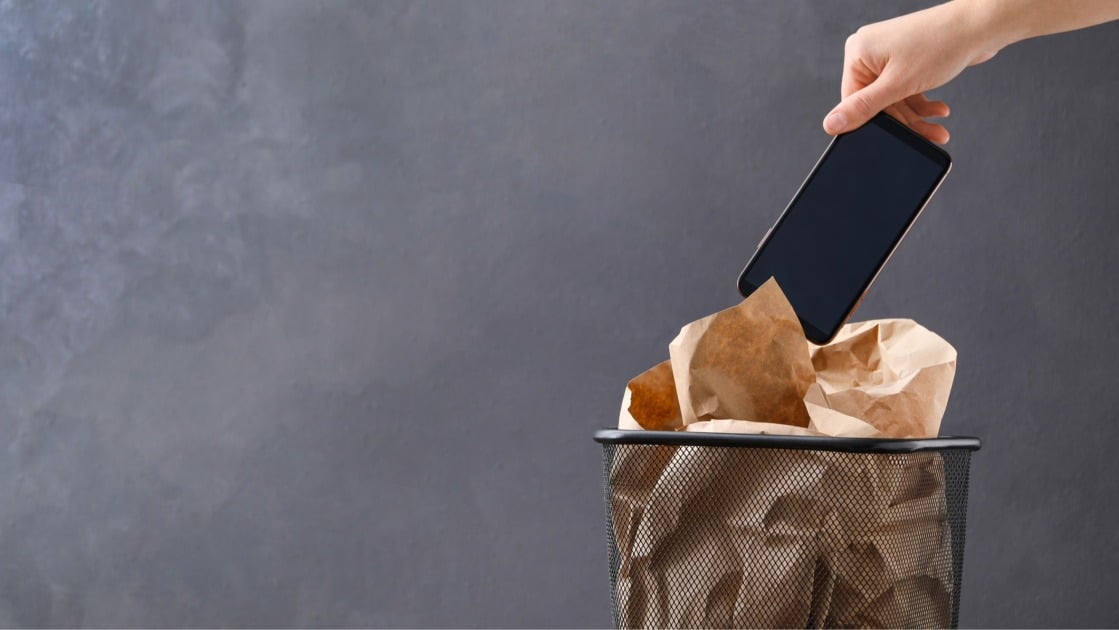
RAM-ageddon: Why 8GB is the New Logic Gap
The irony of the current market is that while manufacturers are cutting RAM to save costs, mobile software is demanding more of it than ever. As on-device AI matures, the memory requirements for LLMs (Large Language Models) to run locally are skyrocketing. This has created what I call RAM-ageddon. If you go to any best mid range phone 2026 reddit thread, the primary complaint is the same: the 8GB RAM logic gap.
Marketing teams will tell you that 8GB of RAM is plenty for a mid-ranger. In 2024, they were right. In 2026, they are wrong. With current Android OS versions and the background processes required for real-time translation and image generation, 8GB is the bare minimum for functionality, leaving zero headroom for future-proofing.
When you are buying mid range vs near flagship phones 2026, the RAM configuration is the most vital metric for longevity. A phone that is regressing to 6GB or staying stagnant at 8GB to save on component costs will likely feel sluggish within 24 months. You want to see at least 12GB of LPDDR5X memory to ensure that your phone doesn't become a paperweight the next time your OS updates its AI features.
The Value Pivot: Refurbished Flagships vs. 2026 Mid-Rangers
If the new mid-range market is a landscape of compromises, where should your money go? The most savvy move in 2026 is the pivot to refurbished flagships or near-flagship devices. Because the hardware in the mid-range was deliberately held back this year, a flagship from one or two years ago suddenly looks like a futuristic masterpiece.
Consider the comparison between a brand new Galaxy A57—often cited as a candidate for the best mid range phone 2026—and a refurbished Galaxy S24 from last year. The A57 will cost you roughly $550, featuring a plastic back, no wireless charging, and a mid-tier processor. Meanwhile, a high-quality refurbished S24 can be found for roughly $420.
Refurbished Price Alert: The value gap has widened to a historical high. A refurbished flagship like the Google Pixel 9 Pro now costs less than a brand new mid-range Pixel 10a, despite having a superior telephoto lens and significantly better screen brightness.
When you look for the best android phone 2026 mid range, don't ignore the refurbished market. A former flagship gives you an IP68 water resistance rating, premium haptics, and far superior image processing that 2026 mid-rangers have cut to save on their bill of materials. The strategic buyer in 2026 doesn't buy a new downgrade; they buy a used upgrade.
The Only Upgrade: High-Capacity Silicon-Carbon Batteries
Is there any good news? Yes, but you have to look toward the brands willing to gamble on new material sciences. While mainstream brands are shrinking batteries to save weight and cost, a few outliers are utilizing silicon-carbon (Si-C) battery technology. This is the one genuine hardware leap we’ve seen recently.
Devices like the Poco X8 Pro Max and the Honor Magic 8 Lite have managed to cram 7,500mAh to 8,500mAh batteries into frames that are no thicker than a standard iPhone. This is possible because silicon-carbon anodes have much higher energy density than traditional graphite anodes. If you are tired of the hardware regression and want a feature that actually improves your daily life, battery density is the hill to die on.
While these phones might still use a cheaper SoC to balance the books, the sheer utility of a three-day battery life makes them the only mid-rangers that feel like a true step forward in 2026. If a phone doesn't offer at least a 6,000mAh capacity this year, it’s not really pushing the envelope; it’s just following the trend of stagnation.
FAQ
What is the best mid-range phone right now?
Right now, the best mid-range option isn't actually a new 2026 release, but rather a discounted 2025 flagship or a high-capacity specialist device like the Poco X8 Pro Max. If you prioritize software, the Samsung Galaxy A57 remains a top choice despite its hardware plateaus, thanks to its extensive update policy.
Which is the best phone in 2026?
The best phone overall in 2026 remains the Samsung Galaxy S26 Ultra or the iPhone 17 Pro Max for those who can afford the premium. However, for those seeking value, the Samsung Galaxy S25 FE currently holds the title for the best balance of flagship power and mid-range pricing.
Which phone brand is best for mid-range?
Samsung and Google traditionally dominate the mid-range market with the A-series and a-series, respectively. However, in 2026, brands like OnePlus and Poco are offering better raw hardware specs, particularly in battery capacity and charging speeds, while the major players focus more on software and AI features.
What is the best mid-range phone for 2026?
The best mid range phone 2026 is either a high-value refurbished flagship like the S24 or a specialized device that utilizes silicon-carbon battery technology. Buyers should look for devices that offer at least 12GB of RAM and avoid the "shrinkflation" models that have reduced storage or screen sizes compared to their predecessors.
Conclusion & Recommendation
Navigating the mobile market in 2026 requires more skepticism than ever before. We have entered an era where "new" is no longer a synonym for "better." When the memory market shifted its focus to AI, it left the smartphone consumer holding the bill. To avoid hardware regressions, you must look past the sleek marketing and focus on the cold, hard numbers.
My professional advice? If you are looking for the best mid range phone 2026, do not settle for a model that has regressed in storage or battery capacity just to get the latest year's branding. Look for the price-to-performance ratio offered by near-flagship models like the Samsung Galaxy S25 FE. If your budget is strictly under $500, the refurbished flagship market is currently providing much higher quality hardware—including better cameras and build materials—than the new mid-range crop. In a year defined by the AI Tax, the smartest upgrade might just be the one that everyone else has already overlooked.