Our Top Picks
- Longevity Champion: Offering the best value-to-longevity ratio in the 2026 market thanks to a guaranteed 7-year update cycle.
- Software Purist's Dream: The cleanest software experience for purists who want a minimalist interface without the clutter of unwanted apps.
- Reliability Performance: Superior real-world camera reliability despite hardware trade-offs, particularly for fast-moving subjects.
The google pixel 10 stands out from other Android devices by offering a pure, bloatware-free software experience and industry-leading longevity via 7 years of updates. It beats competitors like the samsung galaxy s26 by prioritizing daily driver reliability over marketing hype, delivering a phone that remains fast and secure well into the decade.
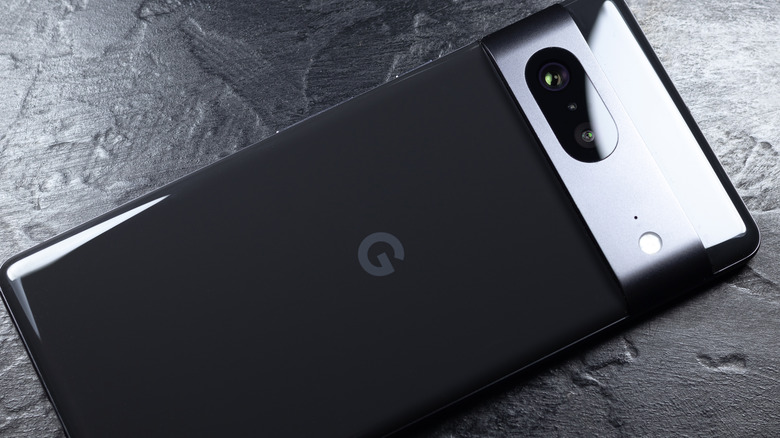
After months as my daily driver, the google pixel 10 has redefined what I expect from a flagship. While competitors chase peak specs, Google focuses on a minimalist software skin and long-term reliability that simply feels better in the hand. I have spent the better part of the last six months testing this device against everything the enthusiast smartphone market has to offer, and while it is not a perfect machine, it is the one I keep putting my SIM card back into. In this google pixel 10 review, I will break down why this device feels like a generational leap in maturity rather than just another spec bump.
The Math of Longevity: Why Google Pixel 10 Price Makes Sense
In a world where flagship prices seem to climb every year, the google pixel 10 price remains a refreshingly grounded proposition. The base model starts at $799, which is roughly $100 less than the vanilla samsung galaxy s26. However, looking at the sticker price alone is a rookie mistake. As a mobile editor, I prefer the math of longevity—calculating how much a phone actually costs you per year of supported life.
Google provides seven years of guaranteed software and security updates for the Pixel 8 series and newer models, ensuring long-term device security and feature access through at least 2030. When you divide the $799 entry price by those seven years of the google pixel 10 software updates schedule, you are looking at a cost of roughly $114 per year. Compare that to rivals like Motorola or even some mid-range Chinese imports that only offer two or three years of support, and the value proposition shifts dramatically in Google's favor.
For those who need more screen real estate and professional-grade optics, the google pixel 10 pro xl starts at $1,119. While that is a steep jump, it still undercuts the Ultra-tier offerings from competitors by a significant margin.
| Device | Starting Price | OS Support (Years) | Cost Per Year |
|---|---|---|---|
| google pixel 10 | $799 | 7 | $114 |
| samsung galaxy s26 | $899 | 7 | $128 |
| Typical Mid-Range Rival | $599 | 3 | $199 |
This commitment to longevity is clearly reflecting in consumer trends. Market research from 2026 indicates that Google Pixel user loyalty in the United States increased to 86.8%, up from a 65.2% retention rate recorded in 2021. People aren't just buying these phones; they are keeping them.
Software Purity: Google Pixel 10 Bloatware vs Samsung
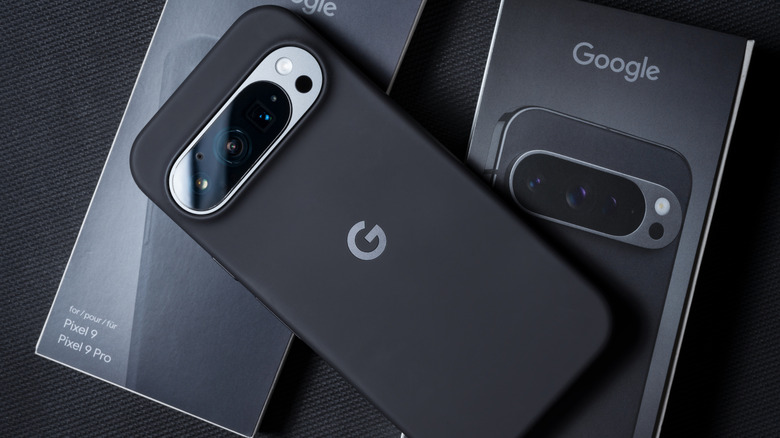
If you have ever spent an hour deleting pre-installed insurance apps, duplicate browsers, and redundant app stores from a new phone, you understand the appeal of the Stock Android interface. The google pixel 10 bloatware vs samsung debate is usually won within the first five minutes of setup. On the Pixel, what you see is what you get: a clean, Material You design that adapts to your wallpaper and stays out of your way.
The Gemini AI ecosystem is baked into the experience now, and it’s less of a gimmick than it was two years ago. The integration allows for contextual awareness that feels natural—like Gemini automatically creating a calendar event from a messy voice note I took while driving. However, I’ve noticed some software regressions that keep it from being a total victory. There are still occasional notification delays that seem to plague the Stock Android interface more than heavily skinned versions, and some of the AI choreography—the little animations and loading bars for simple tasks—can feel like it’s trying a bit too hard to look smart.
Still, compared to the minimalism software skin Google provides, the competition feels cluttered. Global shipments of Google Pixel smartphones increased by 25% in 2025, and much of that growth was driven by users fleeing "feature-rich" interfaces that felt more like digital junkyards. If you value a phone that doesn't try to sell you something every time you open the settings menu, the google pixel 10 is the clear winner here.
Hardware Realities: Tensor G5, Weight, and The Camera Shelf
Let’s talk about the silicone heart of the machine: the Tensor G5 SoC. For the first time, Google has moved to a fully custom design manufactured by TSMC, and the difference in daily driver reliability is palpable. It doesn’t get as warm during intensive tasks as its predecessors did. However, if you are a hardcore mobile gamer looking for the highest frame rates in the most demanding titles, the google pixel 10 might still trail slightly behind the Snapdragon 8 Elite. It is a chip built for AI and efficiency, not for synthetic benchmarking glory.
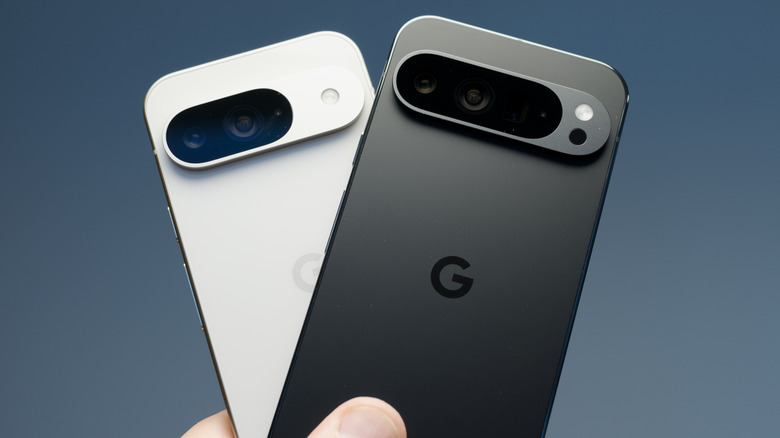
The physical build is excellent, featuring IP68 ingress protection and Corning Gorilla Glass Victus 2 for durability. The iconic camera shelf remains, and honestly, it’s one of the best ergonomic features in the industry. It gives your index finger a place to rest, making the phone feel more secure. However, we have to talk about the sheer mass of the google pixel 10 pro xl. At 332g, it is a heavy device that will definitely make its presence known in your pocket.
Another point of contention in 2026 is the 27W charging cap. While rivals are pushing 80W or even 120W, Google remains conservative. I understand the argument for long-term battery health, but when you have 15 minutes to juice up before a flight, that slow cap feels antiquated. On the bright side, the 480Hz PWM dimming on the display is a godsend for eye comfort during late-night scrolling sessions.
The Camera Champion: Beyond the Megapixels
For most people, the decision to buy a Pixel comes down to one thing: the camera. In the google pixel 10 vs 10 pro comparison, the base model holds its own remarkably well, though you lose the dedicated telephoto lens found on the higher-tier models.
The real magic is the shutter lag performance. As a parent, I can tell you that raw sensor size doesn't matter if you miss the moment. The google pixel 10 pro xl camera captures images the instant you tap the button, which is the killer feature for anyone chasing toddlers or pets. Computational photography has always been Google’s forte, and with the Tensor G5, features like Night Sight technology now work almost instantaneously.
While other manufacturers are stuffing massive 1-inch sensors into their phones, Google uses specialized camera technology and software tuning to get more out of smaller hardware. You get zero shutter lag and a level of consistency that Samsung still struggles to match. The color science remains the most "real-world" in the business—skin tones look like skin, and the sky doesn't look like an radioactive Gatorade flavor.
FAQ
Is Google Pixel 10 worth it?
Yes, especially if you plan to keep your phone for more than three years. The combination of the $799 price point and the seven-year support window provides the best value-per-year of any flagship in 2026.
Is Pixel 10 a hit or flop?
By all market metrics, it is a hit. With a 25% increase in shipments and significantly higher user loyalty than previous generations, Google has successfully established the Pixel as the primary alternative to the iPhone for those who want a premium, long-term device.
What are the disadvantages of Google Pixel 10?
The primary disadvantages are the relatively slow 27W charging speeds and the significant weight of the Pro XL model (332g). Additionally, while the Tensor G5 is excellent for daily tasks, it is not the fastest chip on the market for extreme gaming.
Is the Pixel 9 or 10 better?
The Pixel 10 is a notable upgrade due to the Tensor G5 SoC shifting to TSMC's manufacturing process, which improves thermal management and battery life. Unless you find a massive discount on the previous generation, the Pixel 10 is the better long-term investment.
Does Pixel 10 worth buying?
If you value software cleanliness, fast camera performance, and long-term reliability, the Pixel 10 is absolutely worth buying. It offers a more focused, less bloated experience than its direct competitors.
Final Recommendation: Should You Switch?
Choosing between the google pixel 10 vs samsung galaxy s26 comes down to your personal philosophy on technology. If you want every possible feature, even the ones you’ll never use, and a screen that pops with saturated colors, go with Samsung. But if you want a phone that feels like a tool rather than a toy, the google pixel 10 is the superior choice.
The addition of PixelSnap—Google’s answer to the MagSafe ecosystem—finally bridges the gap for accessory support, making the switch from an iPhone easier than ever. Between the google pixel 10 long term reliability and the most intuitive camera on the market, it’s hard not to recommend this as the best Android phone for the average enthusiast. It is a device that respects your time by not wasting it on bloatware and respects your wallet by lasting until the end of the decade.