Our Top Picks
The major google pixel disadvantages in 2026 center on hardware-software stability and restrictive UI design. While the AI is top-tier, users frequently face SoC thermal throttling and Pixel UI customization limits that lag behind competitors like Samsung. Core Flaw 1: Limited UI flexibility compared to One UI. Core Flaw 2: Sustained gaming performance drops of up to 50%. Core Flaw 3: Update regressions causing system_server CPU spikes. Core Flaw 4: High cloud storage dependency due to lack of microSD support.
While Google’s AI features are impressive, several google pixel disadvantages remain persistent in 2026. This guide explores the 4 critical software flaws—including Pixel UI customization limits and thermal issues—that might make you think twice before buying.
Flaw 1: Restrictive Software Identity and UI Limits
For years, the calling card of the Google Pixel has been its stock Android experience. Enthusiasts praised the "clean" aesthetic and the lack of "bloatware" that often plagues other manufacturers. However, as we move through 2026, that cleanliness has begun to feel like a cage. One of the most significant google pixel disadvantages today is the lack of deep personalization compared to the broader Android market.
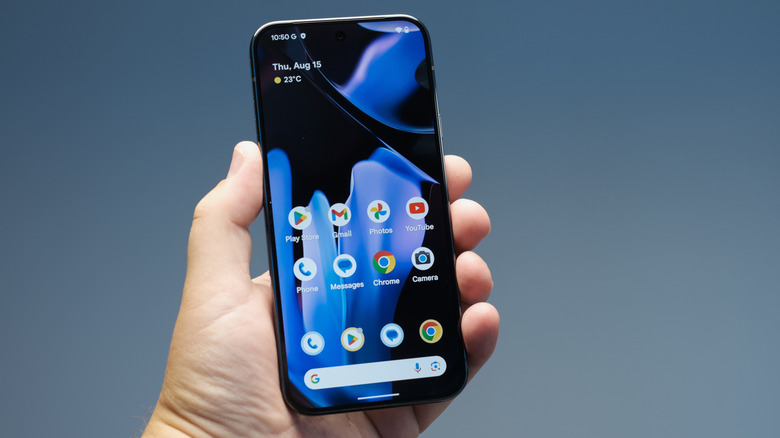
The Material Design engine, while visually cohesive, enforces a "Google-way or no-way" approach. For instance, the "At a Glance" widget and the search bar are permanently anchored to the home screen. You cannot move them or delete them without installing a third-party launcher, which often breaks the smooth system animations Google is known for. When looking at google pixel ui customization limits vs samsung, the gap is wider than ever. Samsung users have access to the Good Lock suite, allowing them to redesign everything from the task changer to the clock face with surgical precision. On a Pixel, you are essentially limited to choosing a color palette based on your wallpaper.
Furthermore, the proprietary software suite often feels like it targets casual users at the expense of power users. While the AI-powered Magic Editor and Best Take are incredible, the underlying Pixel UI customization limits prevent users from changing icon shapes, font styles, or the layout of the quick settings panel in any meaningful way. It is a curated experience that prioritizes brand identity over user agency, a strategy that arguably aligns more with Apple than the open-source spirit of Android.
Flaw 2: The Tensor Performance Gap and Thermal Throttling
When Google transitioned from Qualcomm to its own in-house Tensor silicon, the promise was better hardware-software integration. By 2026, it is clear that this integration focuses almost entirely on machine learning and AI processing, leaving pure power users in the lurch. If you look at pixel tensor gaming performance issues, the narrative is largely one of compromise.
In head-to-head tests, the Tensor G5 inside the Pixel 10 struggles to keep pace with the Snapdragon 8 Elite. While the Qualcomm chip cruises through intensive titles with high frame rates, the Pixel often relies on aggressive SoC thermal throttling to keep heat in check. This results in significant frame rate drops after just 15 to 20 minutes of play. Owners of the latest series have noted that the device gets uncomfortably warm during simple tasks like 4K video recording or video calls on 5G, let alone competitive gaming.
| Feature | Pixel Tensor G5 | Snapdragon 8 Elite |
|---|---|---|
| Peak Clock Speed | 3.1 GHz | 4.3 GHz |
| Thermal Management | Aggressive Throttling | Sustained Performance |
| Gaming Optimization | AI-focused (NPU) | Graphics-focused (GPU) |
| Stability under Load | Variable | High |
The hardware-software integration hurdles make Pixel devices less ideal for enthusiast gamers. While Google optimizes Tensor chips for AI tasks like real-time translation and on-device photo scrubbing, the raw graphics power simply isn't there. High-frame-rate gaming in 2026 requires a thermal ceiling that the slim Pixel chassis and the current Tensor architecture haven't yet mastered.

Flaw 3: The Update Paradox and System Stability
Google famously promises 7 years of software support, yet this commitment creates a paradox: the frequency of updates often introduces as many problems as it solves. Reliability remains a sticking point for many. According to a poll of over 2,700 readers, 44% of respondents found Google’s software updates to be unreliable due to the frequent introduction of new bugs.
Current reports regarding the pixel 10 series point to some concerning trends. Users have flagged a persistent system_server CPU usage bug that causes the device to consume excessive power even when idle, leading to 20% battery drain per hour. Other issues include screen artifacting and eSIM stability problems, which can be deal-breakers for professionals who rely on their phones for connectivity.
Technical Alert: Overheating Warning If you notice your device getting hot while in your pocket, check the Battery Usage settings. If system_server is at the top of the list, you are likely experiencing a known firmware stability bug. A temporary fix involves clearing the cache of the Google Play Services app.
The history of these regressions is well-documented. For instance, a major software defect in the January 2024 Google Play system update rendered several Pixel models unusable by preventing access to internal storage. While Google is quick to patch security issues—notably fixing 50 security flaws in June 2024—the general firmware quality often feels like a perpetual beta test.
Fixed vs. Persistent Bug Tracker (2026 Status)
| Bug Category | Status in 2026 | Impact Level |
|---|---|---|
| Android Auto lag | Fixed (v15.2) | Medium |
| system_server CPU spike | Persistent | High |
| eSIM failures | Intermittent | High |
| Screen artifacting | Investigating | Medium |
Flaw 4: Software Longevity vs. Hardware Bottlenecks
Google’s 7-year update promise sounds great on paper, but it ignores the reality of hardware fatigue. The primary concern is how Pixel phone storage limitations interact with modern software. As apps grow larger and high-resolution AI-generated content takes up more room, the lack of expandable storage becomes a tactical bottleneck.
Without a microSD slot, users are forced to choose between paying a premium for higher-capacity models or succumbing to cloud storage dependency. This creates a recurring cost through Google One subscriptions. By the time a Pixel 10 reaches year five of its update cycle, the internal NAND flash memory may be nearing its write-cycle limits or simply full, making the "7 years of updates" less useful than it initially appeared.
Furthermore, there is the question of battery health. The heavy lifting required for AI-on-device tasks accelerates battery degradation. While you might still get the latest version of Android in 2031, you will likely be tethered to a wall charger or dealing with a device that feels sluggish because the aging hardware cannot handle the demands of future software. What are the disadvantages of google pixel phones? Often, it is the gap between what the software promises and what the hardware can realistically sustain over a decade.
Decision Matrix: Should You Buy a Pixel in 2026?
| Buyer Profile | Recommendation | Primary Reason |
|---|---|---|
| AI Early Adopters | Buy | Best-in-class integrated AI features. |
| Mobile Gamers | Skip | SoC thermal throttling limits performance. |
| Minimalists | Buy | Cleanest aesthetic on the market. |
| Power Users | Skip | Pixel UI customization limits are too restrictive. |
| Budget Conscious | Skip | High cloud storage dependency costs. |
Ultimately, whether you should buy a Pixel depends on your tolerance for technical friction. If you value a smart, proactive assistant and the best still photography in the mobile world, the google pixel disadvantages might be worth the trade-off. However, if you need a reliable workhorse for gaming, extensive local file storage, or a UI that you can truly call your own, you might find the 2026 Pixel lineup more frustrating than functional.
FAQ
What is the disadvantage of Google Pixel?
The most prominent disadvantages include limited hardware-software stability, restrictive UI customization options, and thermal throttling issues during heavy tasks. Users also often struggle with the lack of expandable storage, making them dependent on cloud services or more expensive internal storage tiers.
Do Google Pixel phones have issues?
Yes, many users report persistent issues such as battery drain caused by high system_server CPU usage, screen artifacting, and intermittent connectivity problems with eSIM and Android Auto. While Google issues monthly updates, these patches sometimes introduce new regressions.
Why don't people buy Google Pixels?
The primary reasons people avoid Pixels are the inconsistent quality control, the perceived performance gap between Tensor chips and Snapdragon rivals, and the lack of a deep ecosystem compared to Apple or the massive feature set offered by Samsung's One UI.
Is it worth switching from iPhone to Pixel?
Switching is worth it for those who prioritize AI-driven features like call screening, real-time translation, and superior computational photography. However, if you are accustomed to the stability and resale value of an iPhone, the occasional software bugs and faster depreciation of the Pixel may be a hurdle.
What is the average lifespan of a Pixel phone?
While Google provides software updates for up to 7 years, the practical lifespan is typically 3 to 4 years before battery degradation and the lack of expandable storage begin to impact usability. Most users find the hardware performance starts to lag behind modern app requirements after this period.