Quick Facts
- Top Digital Vault: Internet Archive VHS Vault (70,000+ tapes)
- Best Curated Streamer: REWIND•O
- Critical Storage: 65°F and 40% humidity for optimal longevity
- Total Artifacts: Found Footage Fest holds over 13,000 titles
- Highest Risk Format: Open Reel (Extremely high risk of magnetic tape decay)
- Preservation Focus: Industrial training films and regional public access TV
Beyond the mainstream algorithms of YouTube lies a hidden world of media archaeology. A true found footage archive isn't just a collection of clips; it's a digital vault for a cultural time capsule. These specialized repositories and niche streaming platforms like REWIND•O or the Internet Archive's VHS Vault offer curated access to full-length instructional videos and regional commercials that defined the analog era.
Beyond the Algorithm: The Rise of Media Archaeology
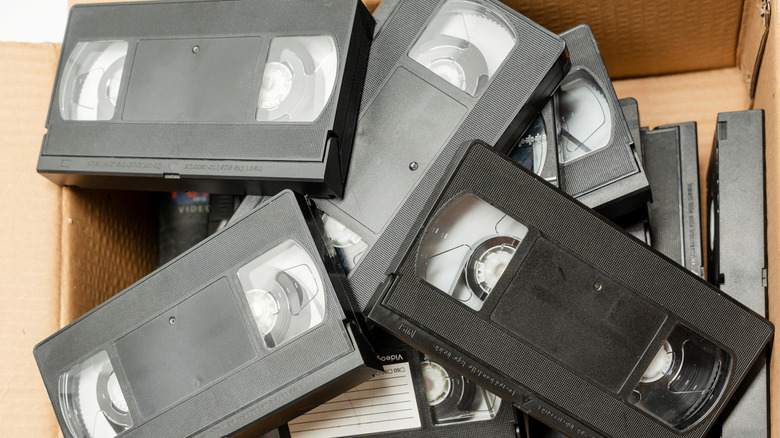
There is a specific kind of magic found in the visual noise of a tracking error. For those of us who grew up in the era of physical media, the magnetic tape was more than just a storage medium; it was a living document of a specific cultural moment. Today, as mainstream streaming services homogenize our viewing habits, a counter-movement has emerged. We are seeing a transition from physical clutter in basements to sophisticated digital vaults, driven by a passion for media archaeology.
This isn't just about nostalgia; it is about rescuing a cultural time capsule before it vanishes. Consider the legendary 1991 McDonald's training tape. On the surface, it is a dry instructional video. In the hands of a dedicated collector, it becomes a fascinating window into corporate culture, fashion, and social norms of the early nineties. This type of ephemera—the stuff intended to be used and thrown away—often tells a truer story of our history than the blockbuster films that receive all the preservation funding.
For the modern collector, the goal is to curate a found footage archive that preserves these oddities. Whether it is cult media that never made the jump to DVD or vintage home video archives that capture the unvarnished reality of suburban life, these fragments are being gathered into digital havens. Enthusiasts are no longer just watching videos; they are unearthing the best digital archives for documentary found footage to piece together a narrative of the twentieth century that history books often overlook.
The Best Niche VHS Streaming Services for 2026
If you are looking for the best vhs streaming services for obscure footage, the landscape has expanded significantly beyond the chaotic search results of general video platforms. We now have dedicated curators who treat the weird and the wonderful with the respect they deserve. These niche streaming platforms offer a "Bottom Line" for every type of viewer, from the casual observer of "weirdness" to the serious academic researcher.
| Service | Best For | Price Point | Bottom Line |
|---|---|---|---|
| REWIND•O | Full-length weird instructional videos | $5.99/mo | The gold standard for a curated, high-quality analog experience. |
| Found Footage Festival | Curated comedy and bizarre clips | $9.99/mo | Perfect for those who want the highlights of weirdness with expert commentary. |
| The Criterion Channel | Classic cinema and avant-garde | $10.99/mo | While mostly film-focused, their "Observations on Film Art" often dives into archival oddities. |
| Mubi | International and independent finds | $12.99/mo | Excellent for finding rare global media archaeology items. |
For those specifically wondering where to watch full length weird instructional videos, REWIND•O remains the top recommendation. Their library avoids the "clip-culture" trap, providing the context of the entire broadcast or tape. This is essential for understanding the pacing and tone of the era, which is often lost in short social media snippets.
Taxonomy of the Strange: Rare Public Access and Industrial Films
To navigate a found footage archive effectively, one must understand the taxonomy of what is being preserved. The landscape is broad, ranging from local public access tv programs that capture the eccentricities of small-town America to highly specific industrial training films designed for audiences of dozens, not millions.
One of the most significant efforts in this field is the Marion Stokes collection. Stokes recorded television 24 hours a day between 1979 and 2012, resulting in a staggering 70,000 VHS tapes that now serve as a definitive record of media evolution. Similarly, the Prelinger Archives has made over 9,700 digitized items available for free, focusing on "ephemeral films"—those intended for a specific purpose at a specific time, like a 1950s guide on social etiquette or a 1980s safety video for factory workers.
For documentary filmmakers, these are the best digital archives for documentary found footage. They provide authentic textures that stock footage houses simply cannot replicate. Finding rare public access tv archives online allows creators to tap into a raw, unpolished energy that defines the analog aesthetic. This is the realm of the uncomfortable host, the regional commercial with a jingle that hasn't been heard in forty years, and the unintended humor of outdated technology.
Saving the Tapes: Practical Preservation and Risk Tiers
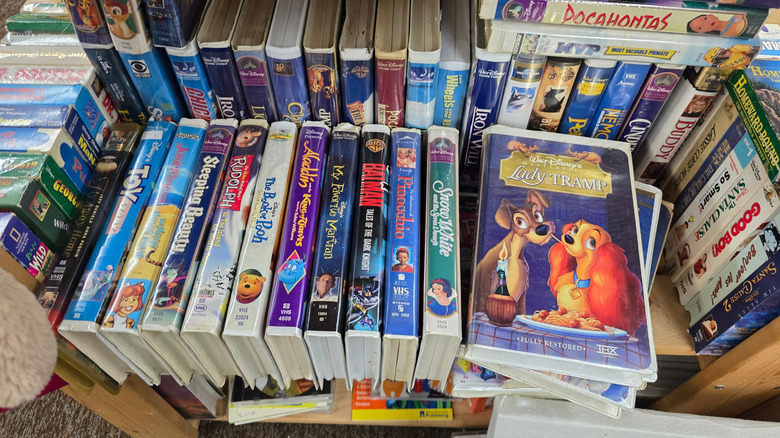
As physical media collectors, we are in a race against time. The physical nature of analog media means it is subject to magnetic tape decay, a process where the binder that holds the magnetic particles to the plastic backing begins to break down. This is often referred to as Sticky Shed Syndrome, and if left unchecked, it can render a tape unplayable.
Digital preservation is the only long-term solution, but it requires a systematic approach to organizing analog media collections for digital preservation. Proper storage is the first line of defense; tapes should be kept in a climate-controlled environment, ideally at 65°F with 40% relative humidity. This slows the chemical breakdown of the materials.
When assessing a collection, use a Risk Tier framework to prioritize your digitization efforts:
- Tier 1: High Risk (Open Reel & Early Beta): These formats are prone to extreme shedding and should be handled by professionals.
- Tier 2: Medium Risk (U-matic & S-VHS): Often used for industrial films, these have a higher density of information and are susceptible to mold.
- Tier 3: Standard Risk (VHS & Video8): While more robust, they still suffer from generational loss every time they are played or copied.
A practical vhs to digital conversion guide for beginners usually starts with acquiring a high-quality VCR with a built-in Time Base Corrector (TBC) to stabilize the signal. From there, using specialized inventory tools to track metadata—title, date, and creator—is crucial. This ensures that the history behind the footage is preserved alongside the visuals.
FAQ
What is a found footage archive?
A found footage archive is a specialized digital or physical repository dedicated to collecting and preserving ephemeral media that was not originally intended for long-term historical preservation. This includes industrial training films, home movies, regional commercials, and public access television. Unlike traditional film archives that focus on "high art" or commercial cinema, these archives prioritize the cultural and social value of everyday analog media.
Where can I find found footage movies online?
You can find found footage movies and archival clips on several dedicated platforms. The Internet Archive's VHS Vault is a massive, free resource. For curated experiences, niche streaming platforms like REWIND•O and the Found Footage Festival offer subscription-based access to rare and bizarre analog finds. Additionally, the Prelinger Archives provides a vast collection of public domain ephemeral films available for streaming and download.
Where can filmmakers find archival footage for projects?
Filmmakers seeking authentic archival material should look toward specialized institutions like the Prelinger Archives or the Library of Congress. For more niche or "weird" content, exploring a found footage archive managed by private collectors or organizations like the Found Footage Festival can yield unique results. Many of these resources offer specific rights summaries for creators looking to license footage for documentaries or artistic projects.
Are there free databases for found footage clips?
Yes, the most comprehensive free database is the Internet Archive, which hosts the VHS Vault and the Marion Stokes collection. Other resources include the National Archives and various university-led digital preservation projects. While these databases are free to browse, users should always check the specific copyright or creative commons license associated with each individual clip before using it in their own work.
What is the difference between found footage and stock footage?
The primary difference lies in intent and origin. Stock footage is professionally produced specifically to be sold and reused in other productions; it is a commercial product. Found footage, however, is existing media that was created for a different purpose—such as a family vacation, a corporate meeting, or a local news broadcast—and was later "found" or rescued by archivists. Found footage carries an inherent historical authenticity and "raw" aesthetic that stock footage typically lacks.
The Future of the Vault
As we move further into the digital age, the value of our analog past only increases. Every time we digitize a regional commercial or a forgotten public access show, we are saving a piece of our collective identity from the silent erasure of magnetic tape decay. Whether you are a casual fan of the "weird" or a serious researcher, the world of the found footage archive offers an endless supply of discovery.
The secret digital vaults are open. Whether you choose to explore the curated halls of REWIND•O or lose yourself in the sprawling depths of the Internet Archive, there has never been a better time to be a fan of analog history. Start exploring, start preserving, and help ensure that the visual noise of our past doesn't fade into static.