We have all been there. You are lounging by the pool, scrolling through your feed, when your phone slips through your fingers and disappears into the blue. That heart-stopping second usually leads to a frantic search for the device's technical specifications. You see the letters IP68 and feel a wave of relief, but what does that code actually guarantee? As someone who has spent years reviewing the latest flagships and dissecting their build quality, I can tell you that those digits are often misunderstood.
Quick Facts
- Standard Body: International Electrotechnical Commission (IEC 60529).
- Dust Protection: Digit 6 indicates a completely dust-tight chassis.
- IP67 Limit: Immersion in 1 meter of freshwater for 30 minutes.
- IP68 Limit: Continuous immersion beyond 1 meter (manufacturer specified, often 1.5m to 6m).
- Liquid Type: Ratings apply only to freshwater, not saltwater or chlorine.
- Degradation: Water resistance is not permanent and weakens as rubber gaskets and seals age.
IP ratings explained: In an IP rating, the first digit represents solid particle protection, where a 6 indicates a dust-tight chassis. The second digit measures liquid resistance; an 8 denotes protection during submersion in over one meter of freshwater for a specified duration, typically 30 minutes, while a 7 covers shallower, brief immersion.
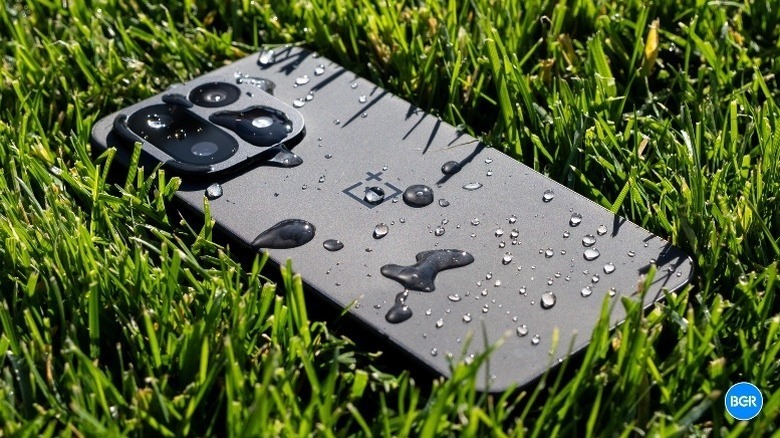
Anatomy of the Code: Decoding the First and Second Digits
When we talk about water resistant phone ratings, we are actually referring to a very specific set of criteria established by the International Electrotechnical Commission under standard 60529. This Ingress Protection standard exists so that manufacturers cannot just use vague marketing terms like "waterproof" or "weatherproof." Instead, they must prove their hardware can withstand specific environmental stressors in a laboratory testing environment.
The code is broken down into two distinct parts. Decoding IP rating first and second digits is the key to knowing exactly what your hardware can handle.
The First Digit: Solid Particles
The first digit after the IP refers to dust protection ratings. This scale runs from 0 to 6. A rating of 5 means some dust can get in but won't break the device, whereas a 6—which you will find on almost all modern smartphones—means the device is completely dust-tight. For hikers, beachgoers, or those working in construction, a 6 is the gold standard for keeping microscopic grit out of the motherboard.
The Second Digit: Liquids
The second digit is where things get interesting for most of us. This measures liquid resistance on a scale from 0 to 9K. Most consumer smartphones aim for a 7 or an 8. You might also notice an X in some ratings, such as IPX8. This placeholder simply means the device has not been officially tested for dust protection, but it has passed the liquid submersion test. This is common in foldable devices where the hinge mechanism makes a dust-tight chassis nearly impossible to achieve.
IP67 vs IP68: What is the Real Difference?
The debate over IP67 vs IP68 for smartphones often boils down to "how deep can I go?" While they look similar on paper, the engineering required to jump from a 7 to an 8 is significant.
In a standard laboratory testing environment, IP67 is a fixed metric. It ensures the device can survive being dropped in up to one meter of water for half an hour. This is "accidental drop" protection. IP68, however, is a bit of a sliding scale. The Ingress Protection standard states that IP68 must exceed the requirements of IP67, but the exact depth is left up to the manufacturer to define and test.
| Rating | Submersion Depth | Duration | Typical Use Case |
|---|---|---|---|
| IP67 | Up to 1 meter | 30 Minutes | Dropping phone in a sink or bathtub |
| IP68 (Standard) | 1.5 meters | 30 Minutes | Dropping phone in the shallow end of a pool |
| IP68 (Advanced) | Up to 6 meters | 30 Minutes | High-end flagships like iPhone 15/16 |
When discussing IP67 vs IP68 differences, it is crucial to check your specific device's datasheet. For example, while the base requirement for IP68 is anything over one meter, iPhone 12 and newer models rated for depths up to 6 meters for 30 minutes offer significantly more protection than a mid-range phone that only hits the 1.5-meter mark. This extra depth capability matters because it relates to hydrostatic pressure. As you go deeper, the water exerts more force on the rubber gaskets and seals, trying to find any microscopic gap to enter the device.
The Fine Print: Saltwater, Steam, and Seal Degradation
One of the most dangerous myths I see is the idea that an IP68 rating makes a phone invincible to all liquids. This simply is not true. These tests are conducted with calm, still freshwater. The moment you introduce other elements, the math changes.
The Danger of Saltwater
When it comes to IP68 water resistance vs salt water damage, the rating basically goes out the window. Saltwater is highly corrosive and conductive. Even if the seals hold, salt can crystallize in the charging port or speaker grilles as the water evaporates, leading to long-term hardware failure. Freshwater vs saltwater corrosion is a battle your phone will almost always lose. If you do drop your phone in the ocean, rinse it immediately with freshwater and dry it thoroughly.
Pro-Tip: Keep it out of the Ocean Even the best water resistant phone ratings are based on freshwater. Saltwater can eat through the adhesive seals of your device in a matter of hours, and most warranties do not cover salt-related liquid damage.
The Problem with Heat and Pressure
Another common question is about using IP68 rated phones in the shower. While the phone might survive the moisture, the steam is a different story. Steam consists of much smaller molecules than liquid water, allowing it to penetrate seals more easily. Furthermore, the heat from a hot shower can cause the rubber gaskets and seals to expand and contract, eventually weakening the structural integrity of the device.
Pro-Tip: Steam is the Silent Killer High temperature and high humidity can cause adhesive degradation over time. Avoid bringing your smartphone into saunas or exceptionally hot showers, regardless of its IP rating.
Why Water Resistance Wears Off
It is also vital to remember that water resistance is not a permanent feature. Your phone is most protected the day you take it out of the box. Over time, the adhesive degradation over time caused by drops, heat, and even the natural aging of the materials means your two-year-old phone is much more vulnerable than a brand-new one. This is one of the primary IP rating limitations for phone warranties; most manufacturers will not honor a warranty for liquid damage because they cannot guarantee the seals have stayed intact throughout the phone's life.
Beyond IP68: Rugged Tech and High-Pressure Ratings
For those who work in extreme environments or enjoy high-impact water sports, IP68 might not be enough. This is where we see ratings like IP69K. Unlike the standard submersion tests, IP69K protects against high-pressure water jets and high-temperature washdowns.
You will typically only find this on ruggedized smartphones designed for industrial use. These devices use thicker rubber gaskets and seals and often feature physical port covers to ensure total protection. While your standard flagship is great for a rainy day or a kitchen spill, a device rated for high-pressure water jets is what you need if you are power-washing equipment or diving into rough surf.
FAQ
What does IP rating stand for?
IP stands for Ingress Protection. It is a standardized rating system used to define the levels of sealing effectiveness of electrical enclosures against intrusion from foreign bodies like dust and water.
What is the difference between IP67 and IP68?
The primary difference is the depth and duration of water submersion. IP67 ensures protection up to 1 meter for 30 minutes, whereas IP68 protects the device in depths beyond 1 meter (usually 1.5m to 6m) for a duration specified by the manufacturer.
What do the two numbers in an IP rating mean?
The first number (0-6) indicates the level of protection against solid particles like dust and sand. The second number (0-9K) indicates the level of protection against liquids like water.
Can I swim with an IP68 rated device?
While technically possible in freshwater, it is not recommended. IP ratings are tested in still water. The motion of swimming increases the pressure against the phone's seals, which could lead to water ingress. Most manufacturers advise against intentional swimming with standard smartphones.
Do IP ratings cover protection against saltwater?
No. IP ratings are specifically for freshwater. Saltwater, chlorine, and other chemicals can corrode the internal electronics and damage the seals, often leading to permanent damage that is not covered by standard warranties.
Conclusion
Understanding IP ratings explained helps you move past the marketing hype and into the reality of how your device is built. An IP68 rating is a fantastic safety net that can save your digital life in the event of an accident, but it is not a license to treat your phone like a professional diving camera.
Treat those rubber gaskets and seals with respect. Keep your device away from the ocean, be wary of the steam in your bathroom, and remember that as your phone ages, its ability to fight off the elements will naturally decline. By knowing the limits of your hardware, you can enjoy your tech with peace of mind—whether you are by the pool or caught in a sudden downpour. Always check your manufacturer's specific depth ratings before testing the waters.