Quick Facts
- Price: Starting at $599 for the 256GB model
- Base Storage: 256GB (double the previous generation's entry tier)
- Processor: A19 chip with 8GB RAM
- Display: 6.1-inch notched OLED with 1200 nits peak brightness
- Durability: Ceramic Shield 2 front cover
- Battery Life: Up to 26 hours of video playback
- Connectivity: Integrated C1X 5G modem for enhanced efficiency
The iPhone 17e has arrived as the new value king for 2026. This iPhone 17e buying guide breaks down why the jump to 256GB base storage is a game-changer for budget-conscious users and explores how the A19 chip and 8GB of RAM ensure this device remains relevant for years of Apple Intelligence updates.
The 256GB Revolution: Is it Enough for 2026?
For years, the entry-level iPhone experience was defined by the anxiety of the "Storage Almost Full" notification. With the iPhone 17e, Apple has finally addressed this by offering a base storage capacity of 256GB, which is double the starting capacity of the previous iPhone 16e.
This isn't just a minor spec bump; it's a fundamental shift in value-for-money. In 2026, our digital footprint is larger than ever. System files for the latest iOS versions occupy significant space, and Apple Intelligence models require substantial local storage to process requests on-device. When you factor in high-resolution photography and the standard expectation of 4K video recording, 128GB has become the new 64GB—barely enough to get by.
By starting at 256GB for $599, the iPhone 17e offers a superior price-per-GB ratio compared to its predecessors. For many users, is 256GB storage enough for iPhone 17e users? The answer is a resounding yes. It provides ample room for thousands of photos, dozens of large apps, and several hours of 4K footage without the immediate need to pay for monthly iCloud+ upgrades. This increased base storage tier is arguably the strongest argument for device longevity, ensuring that the phone you buy today won't feel "full" by next year.
Expert Insight: If you are upgrading from an older device like the iPhone 12, the move to the 17e means you are getting four times the storage capacity of that original base model. It’s the difference between constantly managing your gallery and actually using your phone to capture memories.
Performance Parity: The A19 Chip and Apple Intelligence
In the past, choosing an entry-level iPhone meant settling for a two-year-old processor. That cycle has been broken. The iPhone 17e features the same A19 chip architecture found in the more expensive models of the current lineup. This brings flagship-level hardware efficiency to a $599 device.
One of the most critical aspects of the iPhone 17e A19 chip performance is the inclusion of 8GB of RAM. This is the baseline requirement for robust Apple Intelligence support. As AI features become more integrated into daily tasks—from advanced photo processing to proactive Siri suggestions—the 8GB of system memory ensures the 17e doesn't stutter under the load.
Furthermore, the new C1X 5G modem provides a noticeable boost in iPhone 17e battery life and C1X modem efficiency. This modem is roughly 30% more power-efficient than previous versions, which translates directly to more screen-on time when you're using cellular data. For users who commute or travel frequently, this efficiency is just as important as the raw speed of the processor.
Design Trade-offs: Notch vs. Dynamic Island
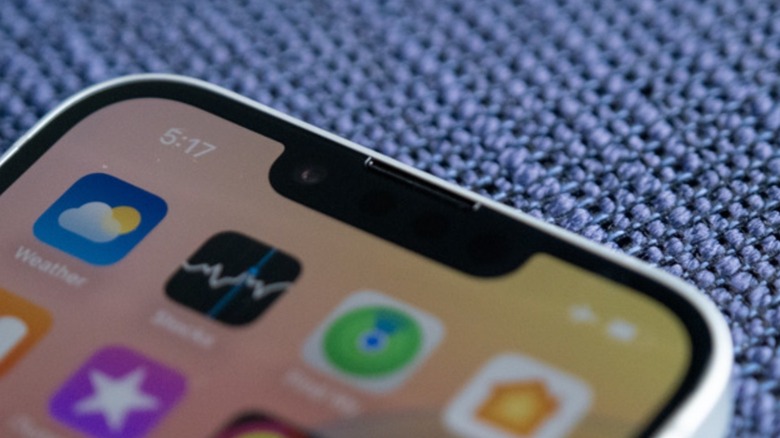
To keep the price point aggressive, Apple has made some calculated compromises in display architecture. While the flagship series has fully embraced the Dynamic Island, the iPhone 17e retains the legacy notched design. For some, this might feel like a step back in aesthetics, but for the pragmatic buyer, it's a trade-off that allows for higher-end internals at a lower price.
The screen itself is a high-quality OLED panel, though it lacks the 120Hz ProMotion technology found in the Pro models. It offers 1200 nits peak brightness, which is plenty for most indoor and moderate outdoor use, even if it falls short of the 2000 nits seen on the iPhone 16.
Durability, however, hasn't been sacrificed. The 17e features Ceramic Shield 2, providing excellent iPhone 17e scratch resistance and Ceramic Shield 2 performance. This material toughness is a key selling point for those who plan to keep their phone for four or five years and want it to withstand the inevitable accidental drops of daily life.
iPhone 17e vs. iPhone 16: The Smart Money Choice
When comparing these two devices, the choice often comes down to your specific priorities: do you want the latest design or the most storage for your dollar? This iPhone 17e vs iPhone 16 comparison shows that while the 16 has the flashier interface, the 17e is the better value for many.
| Feature | iPhone 17e | iPhone 16 |
|---|---|---|
| Starting Price | $599 | $799 (Original Launch) |
| Base Storage | 256GB | 128GB |
| Chipset | A19 | A18 |
| Display Style | Notch (60Hz) | Dynamic Island (60Hz) |
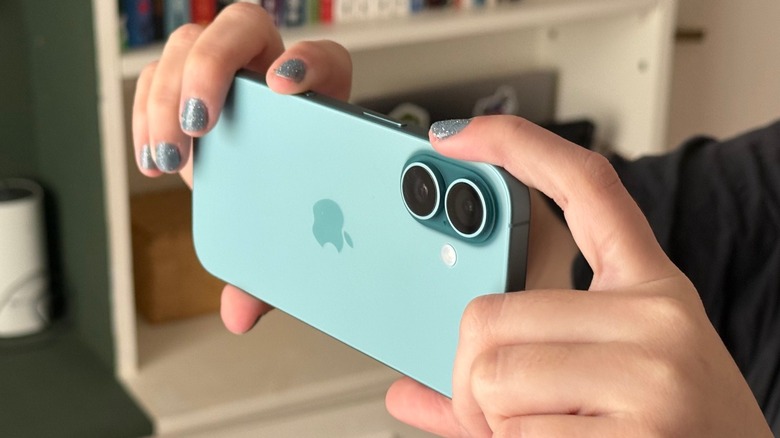
| Camera | Single 48MP Wide | Dual (Wide + Ultra Wide) |
| Peak Brightness | 1200 nits | 2000 nits |
For budget buyers 2026, the iPhone 17e vs iPhone 16 for budget buyers 2026 debate is largely settled by the storage and modem upgrades. You are effectively paying $200 less for a device that has double the base storage and a more efficient modem. However, the iPhone 16 remains the better choice if you frequently use an Ultra Wide lens or if you find the Dynamic Island interaction indispensable for multitasking.
Upgrading from iPhone 12 to iPhone 17e benefits are particularly stark. You gain a massive jump in camera quality through advanced computational photo processing, a significantly brighter display, and the ability to run Apple Intelligence, which the iPhone 12 cannot support.
FAQ
What are the main differences between iPhone 17 and iPhone 17e?
The iPhone 17 is the flagship standard model featuring the Dynamic Island, a dual-camera system, and a higher peak brightness display. The iPhone 17e is the value-oriented model that uses a notched display and a single-lens camera to keep the price lower while maintaining the same A19 processing power.
Is the iPhone 17e replacing the SE model?
In many ways, the 17e serves the role formerly occupied by the SE, but with a much larger 6.1-inch screen and more modern internals. It targets the same budget-conscious audience but provides a much more contemporary experience than the old home-button designs.
What features are expected in the iPhone 17e?
Key features include the A19 chip, 8GB of RAM, a 48MP main camera, and a base configuration of 256GB storage. It also features the C1X modem for better 5G efficiency and Ceramic Shield 2 for durability.
Does the iPhone 17e support the latest Apple Intelligence features?
Yes, thanks to the A19 chip and the inclusion of 8GB of RAM, the iPhone 17e is fully compatible with the suite of Apple Intelligence features, including writing tools, image generation, and the enhanced Siri.
What storage options will be available for the iPhone 17e?
The iPhone 17e is priced at $599 for the 256GB base model. For those who need even more space, a 512GB storage upgrade option is available for $799.
Final Verdict: Who Should Buy the iPhone 17e?
The iPhone 17e is a masterclass in compromise. By opting for a single-camera system and a notched display, Apple has been able to pack in a flagship A19 processor and a generous storage tier that sets a new industry standard.
You should buy the iPhone 17e if:
- You are a student or a budget-conscious professional who needs a reliable phone that will last 4-5 years.
- You care more about having enough space for your photos and apps than having the latest bezel-less design.
- You want access to Apple Intelligence without paying a flagship premium.
- You are currently using an iPhone 12 or older and want a significant jump in performance and battery life.
For most people, the iPhone 17e 256GB storage benefits far outweigh the lack of a second camera lens. It is the smart money choice for 2026, offering a level of device longevity that was previously reserved for the most expensive models in the lineup. If you’re looking for the best price-to-performance ratio in the Apple ecosystem, this is it.