Quick Facts
- The 80/5 Rule: Achieve 80% of a luxury experience for 5-10% of the car's value.
- Top Ergonomic Pick: 6D slow rebound memory foam neck and lumbar pillows.
- Best Climate Upgrade: Ventilated seat covers with 8+ built-in fans (12V/24V).
- High-Impact Aesthetic: Alcantara steering wheel wraps and aluminum sport pedals.
- Tech Essential: Wireless charging mounts with integrated active cooling fans.
- DIY Time: Most interior upgrades take under 30 minutes to install.
Luxury doesn't require a new car payment. In 2026, car comfort accessories are the key to modernizing car interiors and enhancing ride quality. To modernize an older car's interior, focus on ergonomic car comfort accessories and climate control tech. Memory foam neck pillows provide immediate physical comfort, while ventilated seat covers and UV-protective window tints help regulate cabin temperature, mimicking features found in modern luxury vehicles.
Ergonomic Excellence: Reducing Driver Fatigue
When you step into a modern flagship sedan, the first thing you notice isn't the screen size—it's how the seat greets you. Older vehicle seats often suffer from compressed foam and outdated geometry that leads to back pain during extended commutes. Achieving that premium feel starts with addressing these ergonomic gaps using advanced memory foam cushioning.
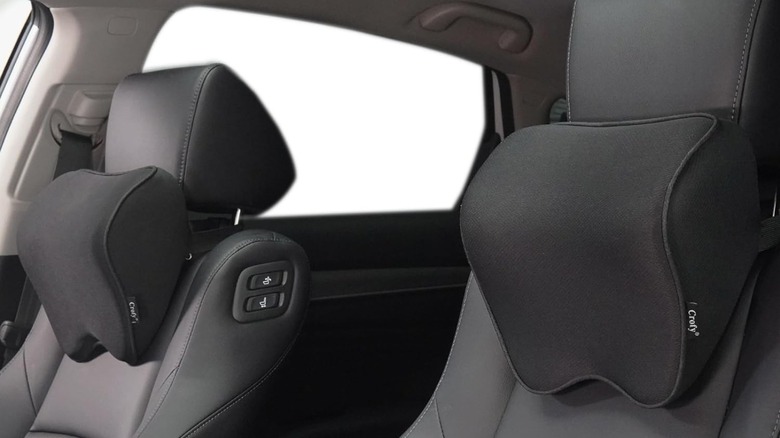
The gold standard for 2026 is the use of 6D slow rebound memory foam. Unlike traditional foam that pushes back aggressively, slow rebound materials contour to your specific anatomy, providing a cloud-like support that significantly aids in driver fatigue reduction. A proper 6-point support system should address the cervical spine, shoulders, and the lumbar region. By filling the void between your body and the factory seat, you effectively upgrade the ride quality enhancement of the vehicle without reupholstering.
When selecting an ergonomic car neck support, check for compatibility with your headrest. Most premium aftermarket options are designed for a 2-7 inch seat pole width, ensuring a snug fit that won't shift when you take a corner. Adding a matching lumbar support cushion completes the transformation, turning a flat, unsupportive seat into a bespoke throne.
Ergonomic Compatibility Checklist
- Headrest Pole Width: Ensure the mounting bracket fits poles spaced 2 to 7 inches apart.
- Material Density: Look for 60D to 80D density for the best balance of softness and support.
- Breathability: Ensure the cover is made of a perforated mesh or Alcantara to prevent heat buildup.
- Adjustability: The neck pillow should offer vertical adjustment to align with your height.
Climate & Cabin Control: Beat the Heat
Temperature is a massive component of the luxury experience. High-end vehicles utilize sophisticated HVAC systems and insulated glass to maintain a serene environment. For older models, you can replicate this by focusing on car seat cooling solutions and thermal barriers.
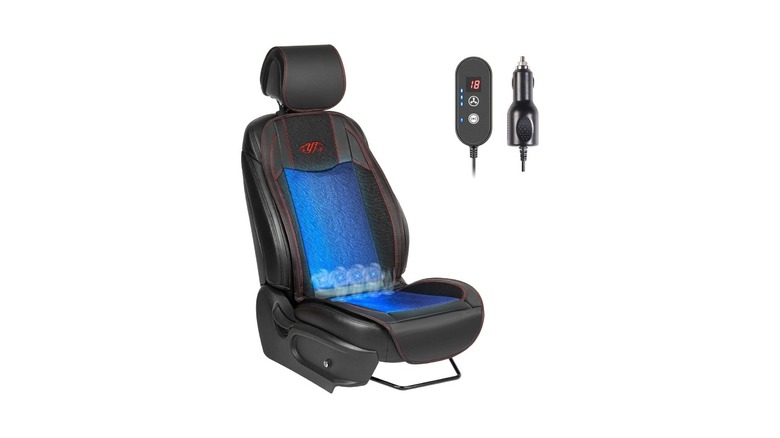
While factory-ventilated seats are often locked behind expensive trim packages, aftermarket ventilated seat covers for cooling have become incredibly efficient. Modern units utilize high-velocity fans—often 8 or more integrated into the base and backrest—to circulate air directly against your body. This prevents the "sticky seat" syndrome common in leather or vinyl interiors during summer months.
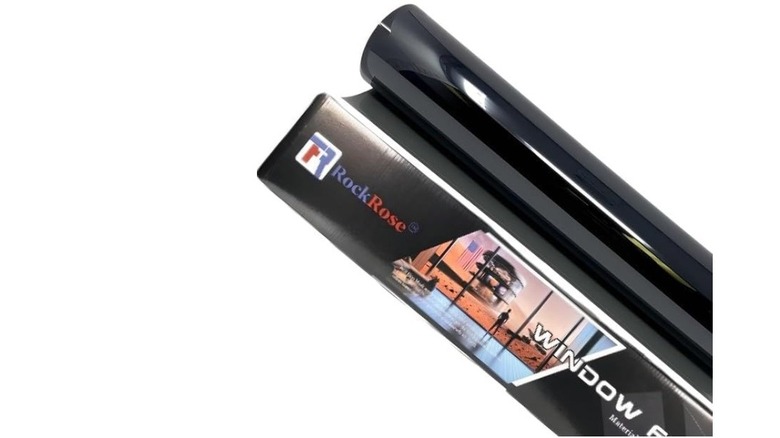
Beyond the seats, the cabin environment relies heavily on managing solar gain. This is where UV protection window tint for car cabin comfort becomes essential. Modern ceramic tints can block up to 99% of UV rays and a significant portion of infrared heat without needing to be dark or "limo-style." This keeps the interior surfaces cool to the touch and protects your dashboard from cracking.
Stock vs. Aftermarket Climate Control
| Feature | Older Stock Interior | Modernized Aftermarket Upgrade |
|---|---|---|
| Seat Temperature | Passive (Absorbs body heat) | Active (Fans circulate cool air) |
| Solar Protection | Basic glass (High heat gain) | UV-protective window tint (IR rejection) |
| Air Distribution | Dash vents only | Multi-point cooling via seat covers |
| Heat Management | Relies solely on AC system | Combined barrier and active cooling |
High-End Aesthetics: Tactile and Visual Upgrades
Luxury is as much about touch as it is about sight. If your steering wheel feels like cheap plastic or your pedals are worn rubber, the entire driving experience feels "budget." Modernizing car interiors involves swapping these contact points for premium materials.
Alcantara steering wheel wraps are a favorite for DIY enthusiasts. This synthetic suede-like material is used in supercars because it offers incredible grip and a soft-touch texture that feels immediately more expensive than stock urethane. Pair this with an aluminum sport pedal kit to give your footwell a high-tech, performance-oriented look.
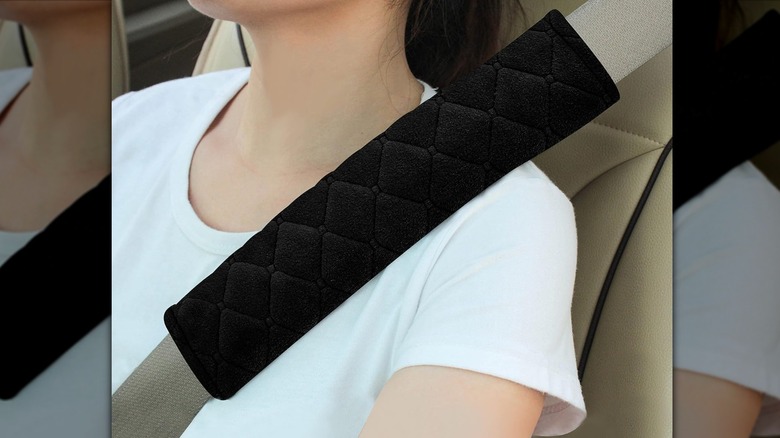
Ambient lighting is another high-impact aesthetic upgrade. In the past, aftermarket lighting looked "tacked on," but 2026 fiber-optic kits allow for seamless integration into the gaps of your dashboard and door panels. These systems can be controlled via smartphone apps to match the sophisticated glow found in the latest luxury EVs. Even small touches, like premium padded seatbelt covers, contribute to the vehicle cabin aesthetics by softening the points where the car interacts with your body.
Tech Integration: Smart Charging and Modern Infotainment
The most glaring sign of an older car is a lack of connectivity. Fortunately, the aftermarket segment accounted for 23.6% of the global automotive infotainment market by 2025, proving that drivers are increasingly retrofitting older models to gain modern features.
One of the most frustrating aspects of using modern tech in an old car is phone overheating. When you run GPS, music, and wireless charging simultaneously, phones tend to throttle performance. The solution for 2026 is wireless charging phone mounts with cooling fans. These devices use small, silent fans or even Peltier cooling chips to dissipate heat from the back of the phone, ensuring your device stays charged and responsive even on long summer drives.
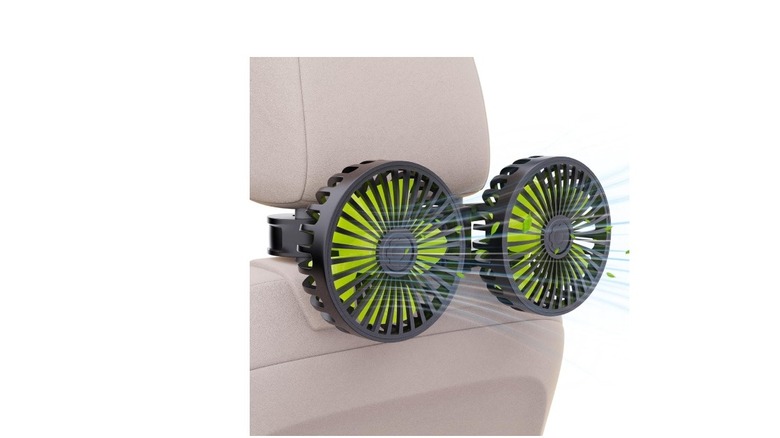
For those in the back seat, portable cooling fans or tablet mounts with integrated power can make the rear cabin feel like a mobile executive suite. By focusing on these tech-forward car comfort accessories for old cars, you eliminate the "feature gap" between your reliable daily driver and a six-figure luxury cruiser.
Compliance and Installation: The Magnuson Moss Act
A common concern for many car owners is whether aftermarket interior upgrades will void their vehicle's warranty. It is important to understand the Magnuson Moss Warranty Act, which generally protects consumers. Under this act, a dealer cannot void your entire warranty simply because you installed a new seat cover or a wireless charger. They must prove that the specific aftermarket part caused the failure you are seeking to repair.
Most car comfort accessories for old cars are "plug-and-play" and do not require splicing into the main wiring harness. For example, seat cooling covers usually run off a standard 12V power accessory outlet. This keeps the installation safe and reversible.
DIY Installation Thresholds
- Under 10 Minutes: Memory foam neck support, seatbelt covers, phone mounts.
- 10-30 Minutes: Ventilated seat covers, floor liner sets, sport pedal kits.
- 1 Hour+: Ambient lighting kits, steering wheel wraps (requires stitching).
- Professional Required: High-performance window tinting, hardwired dash cams.
FAQ
What are the best accessories to make a car more comfortable?
The most effective car comfort accessories are those that address ergonomics and temperature. 6D memory foam neck and lumbar supports are essential for physical comfort, while ventilated seat covers provide active cooling that drastically changes the feel of the cabin. Adding high-quality floor liners and a wireless charging mount with cooling fans also helps modernize the interior and reduce daily driving stress.
How can I make my car seat more comfortable for long trips?
To improve seat comfort for long trips, you should address both posture and heat. Use memory foam neck support for long trips to fill the gap between your neck and the headrest, which reduces strain. Additionally, aftermarket ventilated seat covers can prevent perspiration and discomfort caused by sitting for hours. These two additions, combined with a dedicated lumbar cushion, create a supportive environment that mimics premium luxury seating.
Are lumbar support cushions effective for driving?
Yes, lumbar support cushions are highly effective because they maintain the natural curve of your spine. Most factory car seats lack sufficient lower back support, leading to slouching and fatigue. A high-quality memory foam lumbar cushion provides the necessary structure to keep your posture upright, which is a hallmark of luxury vehicle ergonomics and a key factor in driver fatigue reduction.
What are the best car accessories for neck support?
The best accessories for neck support are those made from 6D slow rebound memory foam. These pillows should have an adjustable strap system to ensure they sit at the correct height for your cervical spine. Look for designs that offer lateral support to prevent your head from tilting during long highway stretches. This is one of the most affordable ways to modernize car interiors while providing immediate physical benefits.
How can I improve the ride comfort of my vehicle?
Improving ride comfort involves a mix of physical and sensory upgrades. Start with ergonomic car neck support and premium seat cushions to improve how your body feels the road. Then, focus on cabin climate control with UV-protective window tints and ventilated covers to manage heat. Finally, tactile upgrades like Alcantara wraps and ambient lighting improve the psychological "feel" of the car, providing a premium experience at a fraction of the cost of a new vehicle.