Our Top Picks
- The Neural Band is the most intuitive wearable interface ever made, offering a seamless way to interact with the digital world without lifting a finger or speaking aloud.
- The 5000-nit display is ultra-bright and remains perfectly visible in direct sunlight, though it leads to monocular eyestrain during extended sessions.
- Privacy concerns remain the ultimate dealbreaker for those wary of Meta's data handling history and the lack of visible indicators for the heads-up display.
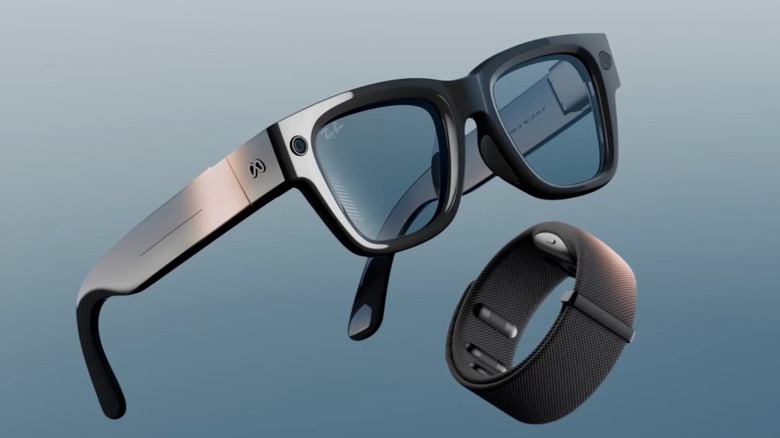
The Meta Ray-Ban Display is a $799 smart glass system featuring a 600x600 resolution monocular waveguide display on the right lens. It comes bundled with the Neural Band, an sEMG wristband that uses surface electromyography to detect subtle hand gestures for hands-free control.
For years, we have been waiting for the moment when smart glasses transitioned from being just "cameras on your face" to actual augmented reality tools. With this Meta Ray-Ban Display review, I can confidently say we have arrived at that transition point, but the landing is far from smooth. At $799, this device represents a massive price hike over the standard Ray-Ban Meta glasses, and the addition of a monocular screen changes everything from how you read messages to how you feel at the end of a long day.
Design and Comfort: The 69-Gram Burden
When I first picked up the Meta Ray-Ban Display, I was struck by how little it looked like a piece of high-tech gear. From across the room, it looks like a standard pair of Wayfarers. However, once you put them on, the physical ergonomics tell a different story. These glasses weigh 69 grams, a noticeable jump from the 52 grams of the non-display model. While 17 grams sounds like nothing, it is the difference between a device you can wear all day and one that begins to press uncomfortably on the bridge of your nose after two hours.
The frame thickness has increased slightly to accommodate the waveguide optics and the extra battery capacity required to drive a display. Despite the added bulk, they maintain an IPX4 rating, meaning they can handle a light drizzle or sweat during a walk. But the real challenge isn't just the physical weight; it is the visual weight. Because the waveguide technology is only in the right lens, the glasses feel slightly off-balance, both physically and visually.
| Feature | Meta Ray-Ban Display | Meta Ray-Ban (Standard) |
|---|---|---|
| Weight | 69 grams | 52 grams |
| Display | 600x600 Monocular Waveguide | None |
| Primary Input | Neural Band (sEMG) | Touch / Voice |
| IP Rating | IPX4 | IPX4 |
| Storage | 32GB | 32GB |
| Launch Price | $799 | $299 |

The Display: 5000 Nits on a Monocular Screen
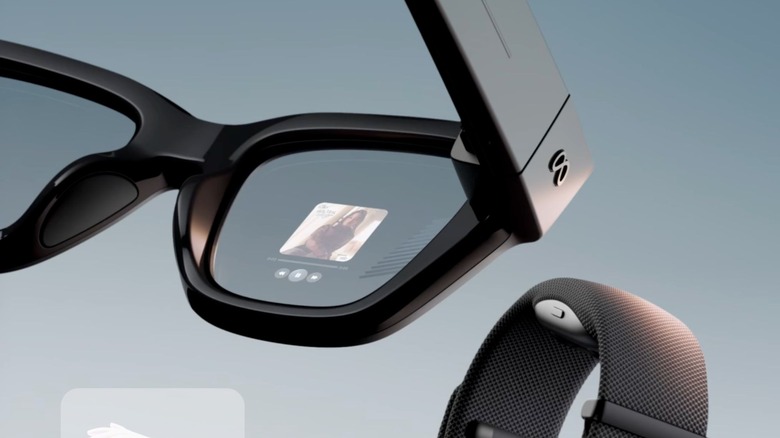
The standout feature of this new model is the monocular screen performance, which provides a 600x600 resolution window into your digital life. Meta has utilized a waveguide display capable of hitting a peak brightness of 5000 nits. To put that in perspective, most flagship smartphones max out around 2000 to 2500 nits. This means that even in the middle of a bright summer afternoon, the heads-up display remains crisp and legible.
However, the 20-degree field of view is quite small. It feels like looking at a post-it note floating about two feet in front of your right eye. When comparing the Meta Ray-Ban Display vs Google Glass comparison, the Meta version is vastly superior in terms of clarity and brightness, but it shares the same fundamental flaw: monocular eyestrain. After using the visual viewfinder to frame photos or read through a long WhatsApp thread, my right eye felt significantly more tired than my left. This "vergence-accommodation conflict" is a known hurdle in AR, and by choosing a monocular design, Meta has prioritized style and battery life over long-term visual comfort.
The Neural Band: A New Era of Interaction
The real magic of the system isn't on your face; it is on your wrist. The Meta Neural Band features Surface Electromyography technology that tracks the electrical signals traveling from your brain to your hand. I tested this in various environments—pockets, under a desk, and while walking—and the accuracy is staggering. It uses eight sensors to detect five core gestures, effectively turning your hand into a remote control without the need for cameras to "see" your fingers.
The gesture recognition is incredibly subtle. A simple pinch-and-twist motion allows you to adjust volume or zoom the camera, while a four-directional flick of the wrist navigates the menu system on the monocular screen. The band provides a satisfying haptic response to confirm every input, which is essential because there is no other visual feedback for your hand movements. With an 18-hour battery life, the band easily outlasts the glasses, though the Meta Ray-Ban Display battery life and Neural Band charging situation is a bit of a headache, as you now have two separate devices to plug in every night.
The Neural Band is the most intuitive wearable interface ever made, effectively solving the problem of social etiquette that plagued previous smart glasses. You no longer have to tap the side of your head or talk to an AI in public; you can simply twitch a finger in your pocket to dismiss a notification.
Software and AI: Real-Time Translation vs. The Walled Garden
Meta has leaned heavily into AI with this release. The Meta AI real-time translation on smart glasses is one of the most practical applications I have seen. During my testing, I was able to look at a menu in French and see the English translation overlaid on the display almost instantly. It also supports Spanish and Italian with impressive accuracy.
However, the software experience feels like a gilded cage. The system is deeply integrated with WhatsApp, Messenger, and Instagram, but there is virtually no support for third-party apps like Slack or Discord. If your digital life exists outside of the Meta ecosystem, these glasses lose much of their utility. You are essentially paying $799 for a high-tech notification center for Meta’s own apps.
The Privacy Problem: Scrapers, Settlements, and Social Etiquette
We cannot discuss a Meta product without addressing the elephant in the room. The Meta Ray-Ban Display privacy risks are significant. According to EssilorLuxottica earnings disclosures, Meta sold approximately seven million pairs of Ray-Ban Meta AI glasses in 2025, which represents more than triple the combined sales from previous years. With millions of these cameras now in the wild, the potential for mass data collection is unprecedented.
Privacy Warning: Meta's history with data handling is a major concern. A 2026 investigation revealed that footage captured by the glasses and used for AI training was processed by third-party data annotation firms, where contractors reportedly viewed sensitive personal content, including financial information and private home footage.
Furthermore, there is a serious issue with social etiquette. While there is a small LED that lights up when the camera is recording video, there is no external indicator to show when the user is looking at the heads-up display. You could be having a conversation with someone while secretly reading your emails or watching a video, leading to a sense of digital distraction that can feel disrespectful in social settings. Meta has also faced criticism regarding the potential for AI models to engage in data scraping of user interactions to further train their multimodal models.
Value and Verdict: Is it Worth $799?
So, is the Meta Ray-Ban Display worth $799? For most people, the answer is likely no. While the Neural Band is a hardware masterpiece and the display is technically impressive, the monocular screen performance limitations and the high price point make it a niche product. If you are a Meta loyalist who lives in WhatsApp and wants the absolute cutting edge of wearable tech, you will find a lot to love here. But for the average consumer, the privacy trade-offs and the eyestrain are heavy prices to pay.
There are also more focused competitors to consider, like the Even Realities G2, which offers a more subtle text-only display, or the Rokid Max for a full cinematic experience. The Meta Ray-Ban Display tries to be everything at once—a fashion statement, a camera, an AI assistant, and a heads-up display. It succeeds in being the most advanced of the bunch, but it also carries the most baggage.
FAQ
Do Meta Ray-Ban glasses have a built-in display?
Yes, the Meta Ray-Ban Display model features a 600x600 resolution monocular waveguide display located in the right lens. This is a significant upgrade from the previous camera-only versions, allowing users to see notifications, navigation, and AI-generated content directly in their field of vision.
How do you see notifications on Meta smart glasses?
Notifications appear as a small, semi-transparent window in your upper-right field of view. You can use the Neural Band or the temple touch controls to scroll through them. Because it uses a high-brightness waveguide, the text remains visible even in bright outdoor lighting.
How long is the battery life for Meta Ray-Ban glasses?
The battery life for the glasses typically ranges from 3 to 4 hours of continuous use if you are using the display and AI features frequently. The included charging case can provide several full recharges, while the companion Neural Band features a much longer battery life of approximately 18 hours.
How do Meta Ray-Ban glasses compare to other smart glasses?
The Meta Ray-Ban Display is currently the leader in terms of AI integration and input technology thanks to the Neural Band. Compared to Google Glass, it has much better brightness and a more social-friendly design. However, compared to dedicated AR headsets like the Xreal Air, it has a much smaller field of view and is limited to monocular output.
Can you get prescription lenses for Meta Ray-Ban smart glasses?
Yes, Meta has continued its partnership with EssilorLuxottica to offer prescription lens options for the Display model. You can order them with single-vision or progressive lenses, though the waveguide technology is still only embedded in the right lens regardless of your prescription.