Our Top Picks
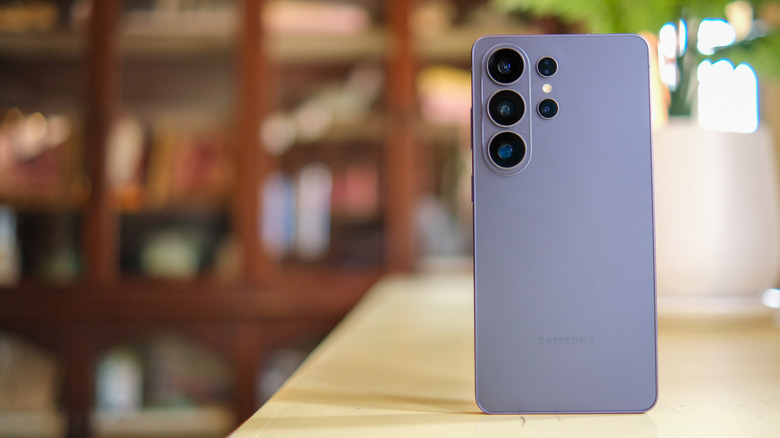
The Galaxy S26 Ultra represents the pinnacle of optical zoom samsung offers, refining the telephoto experience for real-world reliability over raw numbers. We recommend this device to mobile photographers who value sharp, low-light imagery and professional-grade portraits over the experimental reach of previous generations.
Samsung preferred 5x on the S26 Ultra because high-resolution 50MP sensors and wider apertures (f/2.9) offer better crop quality and low-light performance than the legacy 10MP 10x modules. This transition ensures that the most frequently used magnification ranges deliver flagship-level clarity without the grain associated with smaller, darker sensors.
Evolution of Zoom: Why 5x is the New Standard
For years, the "Space Zoom" marketing war was fought on the battlefield of pure distance. When we first tested the 10x periscope on the optical zoom samsung s23, the sheer reach was breathtaking. However, as the novelty wore off, the limitations of a tiny 10MP sensor behind a narrow f/4.9 aperture became clear. Images taken at 10x often lacked the dynamic range and noise control expected from a premium flagship, especially outside of perfect midday sun.
Samsung's pivot started with a realization based on internal consumer data. According to bgr.com, user usage data revealed that the 3x and 5x magnification ranges are the most frequently used zoom levels by its smartphone customers. This data-driven insight shifted the engineering focus from "how far can we see" to "how good can the middle ground look."
By replacing the older 10x module with a 50MP 5x optical lens, the sensor area was increased by approximately 1.6 times. This hardware change is the primary reason why samsung switched to 5x optical zoom. The larger 1/2.52-inch sensor captures significantly more light, which is crucial for maintaining detail. When comparing the digital vs optical zoom samsung experience, the S26 Ultra uses sensor-level magnification to bridge the gap. At 10x, the device crops into the center of the 50MP 5x frame, providing a high-resolution 12.5MP image that often surpasses the native 10MP output of the older 10x lenses in terms of texture and color accuracy.
| Feature | S23 Ultra Telephoto | S26 Ultra Telephoto |
|---|---|---|
| Optical Zoom Level | 10x | 5x |
| Sensor Resolution | 10MP | 50MP |
| Aperture | f/4.9 | f/2.9 |
| Sensor Size | 1/3.52-inch | 1/2.52-inch |
| Focal Length | 230mm equivalent | 115mm equivalent |
The ALoP Breakthrough: Slim Design meets Big Sensors
One of the biggest hurdles in smartphone telephoto lens technology is physical depth. To get a long focal length, you traditionally need a long path for light to travel, which creates the "camera bump" problem. To combat this while increasing sensor size, Samsung utilizes ALoP (All Lenses on Prism) technology.
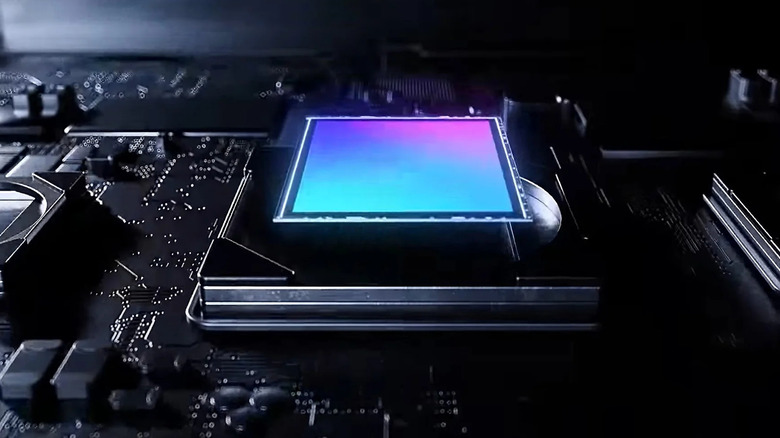
In a standard periscope camera module, the lenses are arranged vertically between the prism and the sensor. ALoP flips this script by arranging the lenses horizontally, lying flat within the plane of the smartphone body. This allows the Galaxy S26 Ultra to house a relatively large 1/2.52-inch sensor without requiring a thicker chassis.
The move to ALoP and a 5x optical design also allows for a much wider f/2.9 aperture compared to the f/4.9 aperture found on the 10x modules. In the world of optics, a wider aperture is like opening a larger window; more light hits the sensor, which directly improves optical image stabilization effectiveness and shutter speeds. There is a minor trade-off, however: the minimum focus distance has increased to approximately 52cm. This means you cannot use the 5x lens for extreme close-up "macro-style" shots, a task better left to the ultra-wide lens or the 3x shorter telephoto. We observed this transition start with the optical zoom samsung s24 series, and the S26 Ultra perfects the formula.
From Portraits to Pro-Grade: Real-World Performance
The 115mm focal length provided by the 5x lens is a sweet spot for professional portraiture. It provides a tight enough crop to eliminate background distractions while maintaining a natural perspective that doesn't flatten facial features. Here are our top Galaxy S26 Ultra portrait mode zoom tips: always aim for the 5x setting rather than 3x when shooting outdoors. The f/2.9 aperture, combined with the larger sensor, creates a genuine optomechanical bokeh that AI-driven blur can't quite replicate.
When the sun goes down, the Samsung S26 Ultra low light zoom settings benefit immensely from the ProVisual Engine. This AI-driven suite handles the heavy lifting of noise reduction and dynamic range expansion. Because the 5x lens is physically brighter than previous 10x iterations, the ProVisual Engine has a much cleaner data set to work with. Even at 20x or 30x digital magnification, the computational photography algorithms can "fill in" missing details by analyzing patterns across the 50MP sensor-level magnification data.
For those rare moments when you truly need to see across a stadium or up at the moon, the 100x Space Zoom remains. While it is technically a hybrid of digital and AI processing, the foundation laid by the 5x high-res optical stack ensures the results are usable social media snapshots rather than the blurry watercolor paintings of the past.
Mastering the Lens: How to Improve Your Zoom Clarity
Owning the best optical zoom samsung has to offer is only half the battle; knowing how to utilize it is the other. To maximize your results, keep these technical tips in mind:
- Mind the Light: Even with a wider f/2.9 aperture, zoom lenses thrive in light. If you are shooting in a dim environment, try to find a light source to illuminate your subject's face to help the autofocus lock on faster.
- Steady Your Hand: While the built-in optical image stabilization is world-class, physics always wins at high magnification. For shots beyond 20x, try bracing your elbows against your ribs or using a nearby wall as a stabilizer.
- Clean the Glass: Because the periscope prism is recessed, even a small smudge on the external protector can cause significant light flaring and "haziness" in zoom shots. A quick wipe with a microfiber cloth makes a world of difference.
- Use the 50MP Mode: In the camera app, you can toggle to full 50MP resolution for the 5x lens. Use this when you have plenty of light and want to crop the photo manually later on your computer for maximum detail.
Following these steps on how to improve Samsung camera zoom clarity will ensure that your memories are captured with the precision this hardware is capable of.
FAQ
Does Samsung have optical zoom?
Yes, Samsung Galaxy Ultra models feature dedicated telephoto lenses that provide true optical zoom. The S26 Ultra specifically utilizes a dual-telephoto system with 3x and 5x optical magnification levels to cover various shooting scenarios.
Which Samsung has 10x optical zoom?
The Galaxy S21 Ultra, S22 Ultra, and S23 Ultra are the primary models that featured a dedicated 10MP 10x optical zoom lens. Starting with the S24 Ultra, Samsung shifted toward a high-resolution 50MP 5x optical lens that uses sensor cropping to achieve 10x optical-quality results.
Is optical zoom good?
Optical zoom is superior to standard digital zoom because it uses physical lens elements to magnify the image before it reaches the sensor. This preserves detail and prevents the pixelation or blurriness commonly seen when you simply "stretch" an image digitally.
Which Samsung phones have Optical zoom?
Optical zoom is a flagship feature found across the Galaxy S series (Ultra, Plus, and base models) and the Galaxy Z Fold series. However, the most advanced periscope optical zoom systems are exclusive to the "Ultra" branded devices.
How to turn on optical zoom on Samsung?
Optical zoom engages automatically when you tap the zoom presets (like .6, 1, 3, or 5) in the Camera app. You can also pinch-to-zoom on the viewfinder; the phone will intelligently switch between its physical lenses as you reach the corresponding magnification levels.
Conclusion
The shift from 10x to 5x might feel like a step back on a spec sheet, but in my weeks of testing, it has proven to be a massive leap forward in usability. The optical zoom samsung provides on the S26 Ultra isn't just about reaching further; it is about seeing better. By prioritizing a massive 50MP sensor and a fast f/2.9 aperture, Samsung has turned the telephoto lens from a daytime gimmick into a reliable tool for professional-grade photography. Whether you are capturing a fleeting expression from across a room or a detailed architectural feature, the S26 Ultra delivers the clarity contemporary mobile photographers demand. We encourage you to visit a local retailer and compare the low-light zoom performance for yourself—the difference is illuminated the moment the sun goes down.