Our Top Picks
The Powerbeats Fit review confirms these as the best earbuds for long distance running due to their redesigned flexible wingtips and 30-hour total battery life. They offer a rare combination of stability for sprinting and comfort for marathon-length sessions, making them a top-tier choice for serious athletes.
The Powerbeats Fit are optimized for long-distance running with 20% more flexible wingtips that provide a secure, comfortable fit without ear fatigue. They feature an IPX4 rating and 7 hours of playback, making them the best earbuds for long distance running in 2026.
Engineering the Perfect Run: The New Wingtip Design
For long-distance runners, the relationship with their gear is a matter of endurance. If a shoe rubs after five miles, it’s a problem; if an earbud pinches after ten, it’s a distraction you can’t afford. In the past, the Beats Fit Pro was a favorite, but the rigidity of the wingtips often led to what we call ear fatigue. During a two-hour training block, that pressure against the concha of the ear becomes a dull ache.
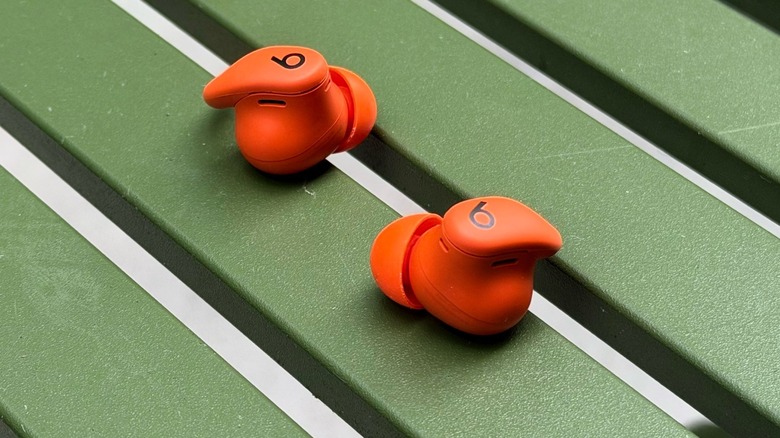
Beats addressed this head-on with the new Powerbeats Fit. The most significant upgrade in this model is the use of updated wingtips that are 20% more flexible than the previous Beats Fit Pro model to reduce ear fatigue during long-distance runs. This subtle shift in acoustic engineering makes a world of difference. The material feels softer against the skin, yet it maintains enough tension to stay locked in place during high-impact movement.
When I took these out for a rainy trail run, I noticed that the Powerbeats Fit secure fit wingtips for running didn’t require the constant micro-adjustments that usually happen when sweat starts to build up. For those who wear sunglasses or prescription frames while training, this design is a revelation. Unlike over-ear hooks that compete for space behind the ear, these sit entirely within the ear’s bowl.
Choosing the right ear tips for Powerbeats Fit remains crucial for both sound isolation and comfort. Beats includes three sizes of silicone tips, and taking five minutes to find your personalized ear tip fit ensures the active noise cancellation performs at its peak. This mechanical seal, combined with the ergonomic refined wingtips, creates a stable platform for high-fidelity audio even when you are hitting your max heart rate.
Endurance Test: Battery Life and Training Performance
When training for a half marathon or a full marathon, battery anxiety is real. You need gear that lasts longer than your longest run, plus the commute and the cooldown. The Powerbeats Fit provides up to 7 hours of continuous audio playback on a single charge and up to 30 hours of total battery life with the charging case. This is a significant benchmark for half marathon endurance training, as it covers even the slowest recovery runs with plenty of headroom.
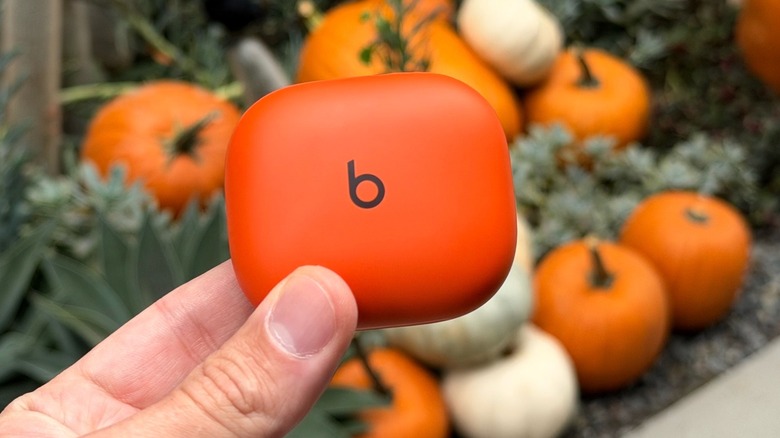
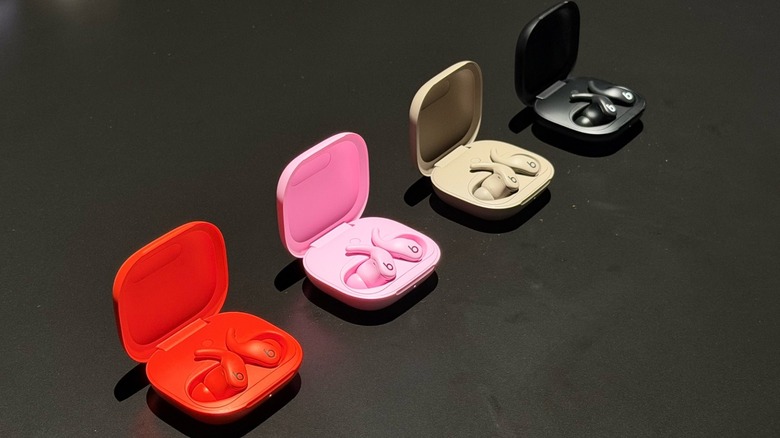
Beyond the internal battery, the hardware itself has seen a footprint reduction. The Powerbeats Fit charging case has been redesigned to be 17% smaller than the original Beats Fit Pro case for better portability. For runners who carry their case in a flip belt or a small hydration vest pocket, this reduction is noticeable. It also adopts USB-C connectivity, moving away from the proprietary charging standards of the past, which simplifies your travel kit.
Durability is another cornerstone of the Powerbeats Fit battery life and features set. These buds carry an IPX4 splash resistance rating. While you shouldn’t take them for a swim, they are more than capable of handling heavy sweat or a sudden downpour. During my testing, I wore them through a particularly humid morning session where my shirt was completely soaked through. The buds never faltered, and the IPX4 splash resistance ensured the internal electronics remained dry and functional.
| Feature | Powerbeats Fit | Beats Fit Pro |
|---|---|---|
| Wingtip Flexibility | 20% more flexible | Standard |
| Total Battery Life | 30 hours | 24 hours |
| Case Size | 17% smaller | Standard |
| Charging Port | USB-C | USB-C |
| Water Resistance | IPX4 | IPX4 |
Connectivity and Controls: The Apple H1 Advantage
Being part of the Apple ecosystem integration provides a seamless experience for iPhone and Apple Watch users. The inclusion of the H1 chip means you get instant pairing and automatic device switching. If you start your music on your phone but decide to leave it behind and run with just your watch, the transition is instantaneous.
One of the most underrated features for runners is the use of physical buttons. While many modern active lifestyle earbuds move toward touch-sensitive surfaces, the Powerbeats Fit retains tactile controls. When you have sweaty hands or you are wearing gloves during a winter training session, touch controls are notoriously finicky. A physical click on the "b" button to skip a track or toggle Powerbeats Fit ANC and transparency mode for runners is much more reliable.
Speaking of sound, the signature Beats bass is present but more refined than in previous years. It provides that rhythmic drive necessary for high-intensity intervals without muddying the mid-range. With Spatial Audio support, the soundstage feels wider, which can help with situational awareness. However, if you are running on busy streets, the transparency mode is your best friend. It pipes in ambient noise so you can hear approaching vehicles while still enjoying your Powerbeats Fit sound quality for workout music.
Powerbeats Fit vs. Powerbeats Pro 2: Which Should You Choose?
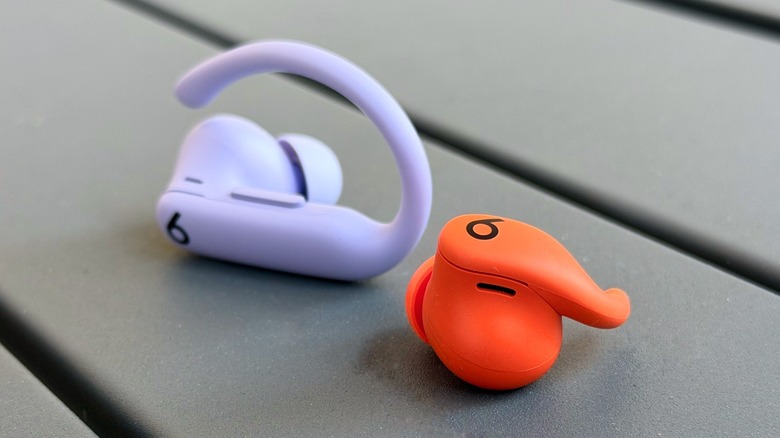
The debate between the wingtip design and the over-ear hook design is as old as the running earbud category itself. When looking at Powerbeats Fit vs Beats Fit Pro, the Fit is the clear winner for comfort. However, the comparison gets more interesting when we look at the Powerbeats Pro 2.
The Powerbeats Pro 2 is often cited as the gold standard for security because the hook physically wraps around the ear. However, the Fit model offers a much more compact portable charging solution. A major point of differentiation is the biometric sensor limitations; the Fit lacks the heart rate sensor found in the newer Pro 2. If you rely on your earbuds to track your zones, the Pro 2 is the way to go. If you already use a chest strap or a Garmin watch, the Powerbeats Fit offers a lighter, less intrusive experience.
| Specification | Powerbeats Fit | Powerbeats Pro 2 |
|---|---|---|
| Design Type | In-ear Wingtip | Over-ear Hook |
| Heart Rate Sensor | No | Yes |
| Weight (per bud) | 5.6g | 8.2g |
| Spatial Audio | Yes | Yes |
| Noise Cancellation | Active (ANC) | Passive |
For those choosing between these models for best running earbuds for half marathon training, consider your ear shape. If you have smaller ears, the wingtip design of the Fit is generally more accommodating. If you find that in-ear buds always fall out regardless of the tip size, the Pro 2 hook is your insurance policy. In my experience, the Powerbeats Fit vs Powerbeats Pro 2 for athletes comparison usually ends with the Fit winning on comfort for runs lasting over 90 minutes.
FAQ
Do Beats Fit Pro stay in your ears while running?
The wingtip design is specifically engineered to lock into the natural curves of the ear. During high-impact activities like sprinting or trail running, the tension provided by the flexible wingtip keeps the bud from shifting, provided you have selected the correct size of silicone ear tips for a proper seal.
What is the battery life of Beats Fit Pro?
The standard battery life provides up to 7 hours of continuous listening on a single charge. When combined with the juice available in the charging case, you get a total of 30 hours of playback. This makes them suitable for multiple days of training without needing to find a wall outlet.
Are Beats Fit Pro worth buying for exercise?
Yes, they are widely considered one of the best options for exercise due to the balance of security and comfort. The inclusion of the H1 chip for Apple users and the specialized wingtips for stability make them a significant upgrade over standard AirPods for vigorous movement.
Are Beats Fit Pro sweat and water resistant?
They come with an IPX4 rating, which means they are resistant to water splashes from any direction. This makes them sweatproof and capable of surviving runs in light to moderate rain, though they should not be submerged in water or used for swimming.
What is the difference between Beats Fit Pro and Powerbeats Pro?
The main difference is the physical form factor. The Fit Pro uses a small, internal wingtip to stay secure, while the Powerbeats Pro uses a large hook that goes over the top of the ear. Additionally, the Fit Pro features Active Noise Cancellation, whereas the original Powerbeats Pro relies purely on passive isolation.
The Final Verdict
After logging over 50 miles with these earbuds, the Powerbeats Fit review conclusion is simple: Beats has finally mastered the ergonomics of the runner's ear. By increasing wingtip flexibility by 20%, they have eliminated the one major flaw of their previous "Fit" series. You no longer have to choose between a bud that stays in and a bud that feels good.
While it is disappointing to see the lack of wireless charging and the absence of a heart rate sensor, these omissions feel like fair trades for the price and the reduced case size. If you are a marathoner or a weekend warrior looking for the best earbuds for long distance running, the Powerbeats Fit should be at the top of your list. They deliver the endurance, the sound, and the stability required to get you through those final grueling miles.