Our Top Picks
The Samsung S25 Edge is an ultra-thin flagship designed for users who prioritize aesthetics and portability, featuring a stunning 5.8mm Titanium build and the powerful Snapdragon 8 Elite. Its primary trade-offs include a significantly smaller battery and the lack of a dedicated telephoto lens compared to the S25 Plus. While it offers a premium hand-feel and top-tier performance, heavy users may find the battery life and camera zoom limitations a challenge for daily productivity.
The Samsung S25 Edge is distinguished by its ultra-thin design, being notably slimmer than the S25 Plus while sharing the same 6.7-inch display and Snapdragon 8 Elite chip. The main trade-offs for this thinness include a higher price point, the removal of the telephoto camera, and a smaller battery capacity. Users must choose between the premium hand-feel of the Edge and the superior battery endurance and camera versatility offered by the Plus model.
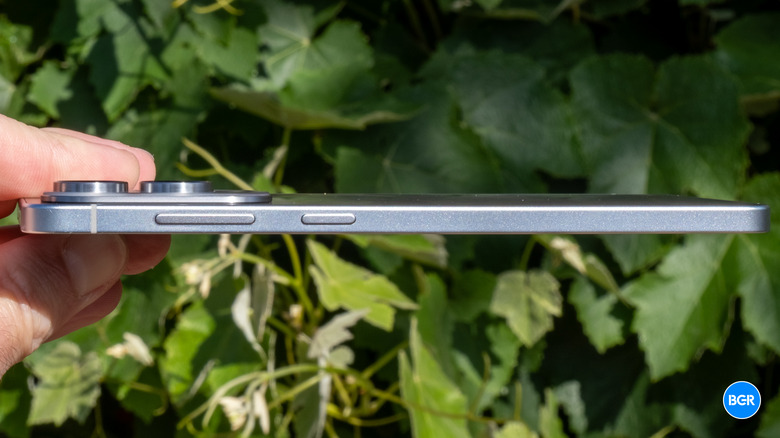
Ultra-Thin Design: Engineering Marvel or Fragile Beauty?
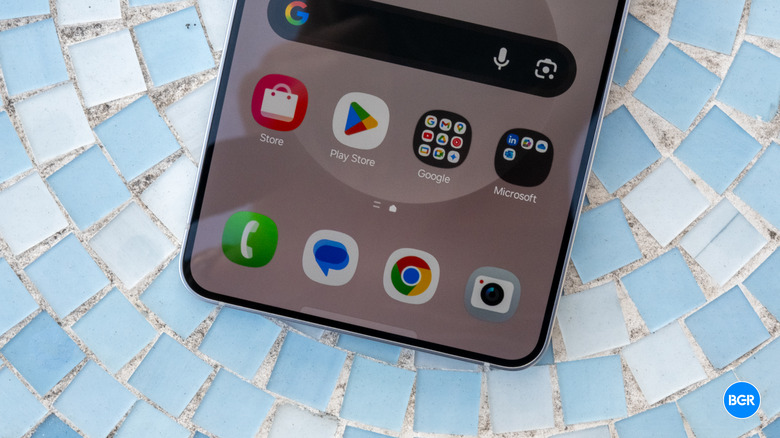
For years, smartphone manufacturers have been locked in a race to see how much tech they can cram into a device. With the Samsung S25 Edge, the focus shifts toward how much they can take away—specifically in terms of physical bulk. This device features an ultra-thin profile of 5.8 millimeters, which makes it approximately 1.4 millimeters thinner than the standard Galaxy S25 model. When you hold it, the difference is immediate. It feels less like a piece of hardware and more like a high-tech sliver of glass and metal.
To ensure this slim profile aesthetics doesn't result in a device that bends in your pocket, Samsung utilized a Titanium alloy frame coupled with Gorilla Glass Ceramic 2. The result is a device that weighs approximately 163 grams and features a 6.7-inch Quad HD+ Dynamic AMOLED 2X display. This LTPO AMOLED technology allows for a fluid 120Hz refresh rate while remaining power efficient.
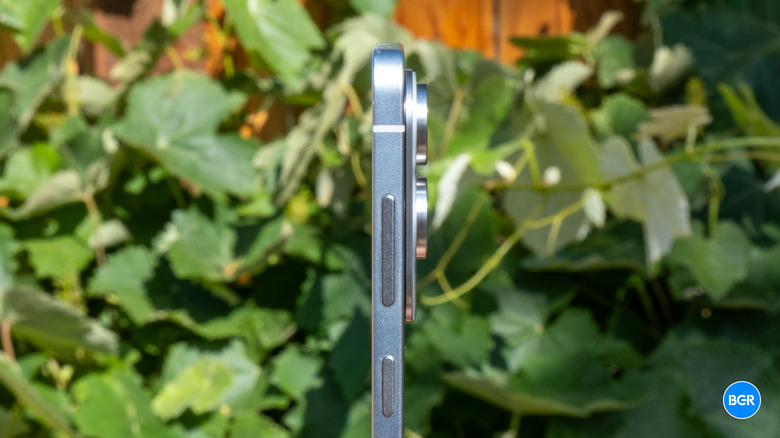
Despite its delicate appearance, the phone maintains IP68 water resistance, proving that durability wasn't entirely sacrificed on the altar of design. In my testing for this samsung s25 edge thinness and durability review, the device felt remarkably rigid, though I would still recommend a high-quality slim case to protect that gorgeous Titanium frame.
Flagship Performance: Snapdragon 8 Elite & Thermal Management
Under the hood, the Samsung S25 Edge does not hold back on power. It is equipped with the Qualcomm Snapdragon 8 Elite processor, which promises a nearly 50% boost in CPU performance over the previous generation. This is paired with 12GB RAM, making multitasking and gaming incredibly smooth.
However, a thin chassis presents a significant hurdle: thermal management. In such a tight space, heat has nowhere to go. Samsung has implemented a redesigned vapor chamber to mitigate this, but physics is hard to beat. During extended gaming sessions or high-resolution video rendering, the phone does get noticeably warm. The One UI software does an admirable job of managing performance to prevent dangerous overheating, but power users should be aware that some thermal throttling might occur during extreme use cases compared to the thicker Ultra model.
The Battery Trade-off: Managing 3,900mAh in 2026
The most significant compromise for that 5.8mm thickness is the Galaxy S25 Edge battery capacity. To fit within the slim frame, the battery is capped at 3,900mAh. When you compare this to the 4,900mAh cell in the S25 Plus, the gap is glaring. In a world where 5,000mAh has become the flagship standard, a sub-4,000mAh battery in a large-screen phone is a bold move.
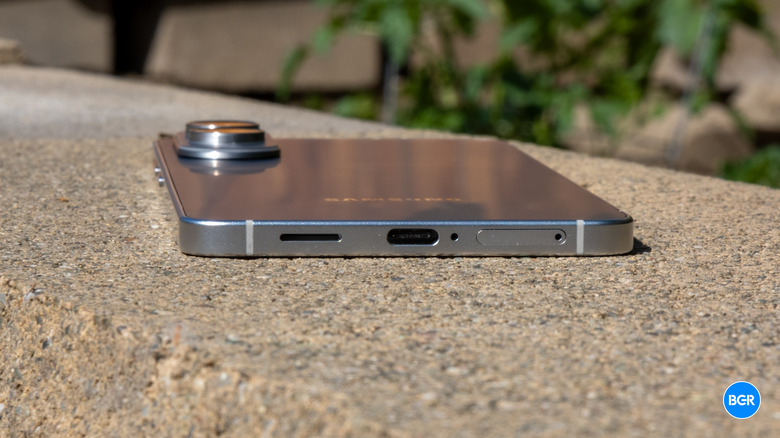
While the Snapdragon 8 Elite is efficient, it can only do so much. During my samsung s25 edge battery life and capacity tradeoffs analysis, I found that moderate users will likely make it through a full day, but heavy users—those who spend hours on 5G or recording 4K video—will be reaching for a charger by late afternoon.
- Charging: Supports 25W wired charging (down from the 45W found on the Plus and Ultra).
- Wireless: Qi2-ready for 15W wireless charging.
- Comparison: The S25 Plus offers nearly 25% more battery life in real-world endurance tests.
The wireless charging ecosystem is evolving, and while the Edge supports the latest standards, the lack of magnetic alignment (MagSafe-style) in this specific iteration is a missed opportunity for such a modern-feeling device.
Camera Versatility: The 200MP Solution vs. Zoom Limitations
Photography enthusiasts will notice a change in the S25 Edge camera features. To keep the camera bump from protruding too far from a 5.8mm body, Samsung removed the dedicated 3x telephoto lens. Instead, the device relies on a dual-lens setup: a high-resolution 200-megapixel wide-angle camera and a 12MP ultrawide sensor.
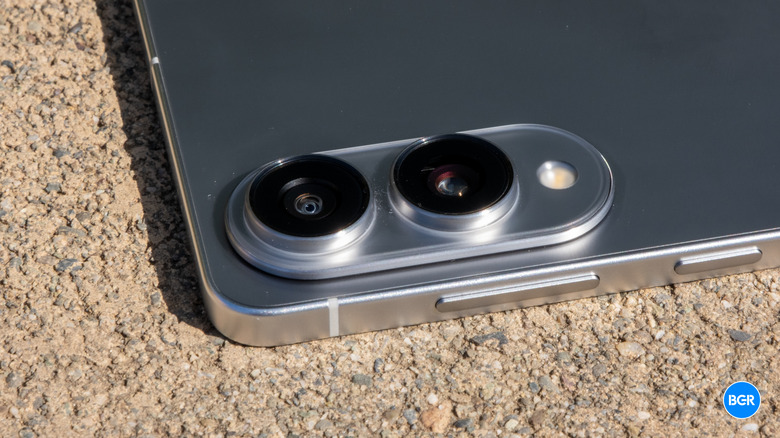
The 200MP sensor is the hero here. It uses advanced pixel binning technology to combine 16 pixels into one, resulting in exceptional low-light performance and detail. However, the samsung galaxy s25 edge camera zoom limitations are real. For 2x or 3x shots, the phone uses a sensor crop. While "optical-quality" at 2x, it cannot compete with the dedicated hardware of the S25 Plus when you reach 5x or 10x digital zoom. It is a clear case of mobile photography trade-offs where aesthetics won over optical versatility.
S25 Edge vs. S25 Plus: Which Should You Buy?
Choosing between these two models comes down to whether you value the "feel" of the phone over its "specs." The Samsung S25 Edge is a statement piece, but it asks for a premium price of $1,100, which is $100 more than the S25 Plus.
| Feature | Samsung S25 Edge | Samsung S25 Plus |
|---|---|---|
| Thickness | 5.8 mm | 7.2 mm |
| Weight | 163 g | 190 g |
| Battery | 3,900 mAh | 4,900 mAh |
| Charging | 25W Wired | 45W Wired |
| Cameras | 200MP Main, 12MP UW | 50MP Main, 12MP UW, 10MP Tele |
| Price | $1,100 | $1,000 |
When considering the samsung galaxy s25 edge vs s25 plus value comparison, the Plus model is objectively the better "deal" for the average person. It gives you a bigger battery, faster charging, and a dedicated zoom lens for less money. However, if you are tired of bulky phones and want something that feels like the future of engineering, is the samsung galaxy s25 edge worth it for $1100? For the fashion-forward tech enthusiast, the answer might be yes.
Longevity: 7-Year Updates and Resale Value
Samsung continues its industry-leading samsung galaxy s25 edge seven year software update promise. This means the device you buy today will receive Android OS and security updates until 2032. Given the premium Titanium build, the physical hardware is likely to last just as long as the One UI software.
For those upgrading from an S22 or S23, the jump in processor efficiency and display quality is massive. The S25 Edge isn't just a gimmick; it is a fully realized flagship that simply chooses a different path—one that prioritizes the user's hand-feel and pocket comfort over raw battery stats.
FAQ
When is the Samsung S25 Edge release date?
The Samsung S25 Edge is part of the early 2025 flagship lineup, with pre-orders typically opening in late January and wide availability following in February.
What are the expected specs for the Samsung S25 Edge?
Key specs include the Qualcomm Snapdragon 8 Elite processor, 12GB of RAM, a 6.7-inch 120Hz LTPO AMOLED display, and a 200MP main camera, all housed in a 5.8mm thin Titanium body.
How does the Samsung S25 Edge compare to the S25 Ultra?
The S25 Ultra remains the "everything" phone with a built-in S Pen, a massive 5,000mAh battery, and a quad-camera system with superior zoom. The S25 Edge is much thinner and lighter, targeting a different audience that dislikes the Ultra's bulk.
What is the battery life of the Samsung S25 Edge?
With a 3,900mAh battery, the S25 Edge is designed for about 12-14 hours of mixed usage. While it can last a full day for light users, heavy users will likely need to charge before the evening.
Is the Samsung S25 Edge worth the upgrade from the S24?
If you own the standard S24, the Edge offers a much larger screen and a more premium Titanium build. However, if you have the S24 Plus, you may find the drop in battery life on the S25 Edge hard to justify unless you prioritize the thin design.