Quick Facts
- Consumer Reports Score: The Samsung Galaxy S25 Ultra earned 87 points, securing the top spot in the 2026 rankings.
- Processor Performance: The Snapdragon 8 Elite in the Samsung outperforms Google’s Tensor G5 by roughly 30-40% in heavy processing tasks.
- Display Innovation: While the Pixel offers higher peak brightness, Samsung’s Gorilla Armor 2 provides a significantly better anti-glare experience for outdoor use.
- Durability Ratings: The Samsung Galaxy S25 Ultra received a top rating of 5 in durability and rear camera quality from Consumer Reports.
- Charging Speeds: Samsung maintains a lead in wired charging efficiency, reaching full capacity significantly faster than the Pixel.
- AI Philosophy: Google prioritizes proactive, invisible intelligence, whereas Samsung focuses on creative, manual AI tools within its interface.
Consumer Reports ranks the Samsung Galaxy S25 Ultra as marginally superior to the Google Pixel 10 Pro for 2026. According to the Consumer Reports March 2025 evaluation, the Samsung S25 Ultra vs Pixel 10 Pro comparison highlights that while both are elite flagship devices, Samsung wins on raw performance and display usability thanks to superior anti-glare technology.
| Feature | Samsung Galaxy S25 Ultra | Google Pixel 10 Pro |
|---|---|---|
| Dimensions | 162.3 x 79.0 x 8.6 mm | 162.6 x 76.6 x 8.5 mm |
| Chipset | Snapdragon 8 Elite for Galaxy | Google Tensor G5 |
| RAM | 12GB LPDDR5X | 16GB LPDDR5X |
| Storage | 256GB / 512GB / 1TB (UFS 4.0) | 128GB / 256GB / 512GB / 1TB |
| Display | 6.8" LTPO Dynamic AMOLED 2X | 6.8" LTPO OLED |
| Battery | 5,000 mAh (45W Wired) | 5,200 mAh (30W Wired) |
| Frame | Grade 5 Titanium | Polished Aluminum/Titanium mix |
The Performance Gap: Snapdragon 8 Elite vs Tensor G5 Benchmarks
The most significant divide found in the Consumer Reports 2026 Android flagship comparison lies within the silicon. For the first time in years, the performance gap between Google and Samsung has widened, despite Google’s transition to a fully custom chip design. The Snapdragon 8 Elite vs Tensor G5 benchmarks tell a story of two very different engineering priorities.
Samsung’s custom-tuned Snapdragon 8 Elite utilizes the advanced TSMC 3nm manufacturing process, which allows for higher clock speeds without the thermal throttling issues that plagued previous generations. In multi-core testing, the S25 Ultra recorded an impressive multi-core score of 9,413, while the Pixel 10 Pro’s Tensor G5 hovered around 6,333. This difference is palpable during mobile gaming thermals testing; the S25 Ultra maintains a consistent frame rate in titles like Genshin Impact, while the Pixel begins to throttle after approximately twenty minutes of play.
Interestingly, we see a "RAM Paradox" here. On paper, the Pixel 10 Pro looks more impressive with its 16GB of RAM compared to Samsung’s 12GB. However, S25 Ultra 12GB RAM vs Pixel 10 Pro 16GB RAM multitasking benchmarks reveal that Samsung’s aggressive memory management and faster UFS 4.0 storage standards allow it to open heavy applications just as quickly, if not faster. Google’s 16GB is largely reserved for on-device artificial intelligence processing, ensuring that Gemini functions smoothly in the background, rather than boosting raw gaming performance. The Snapdragon 8 Elite vs Tensor G5 gaming performance comparison ultimately favors Samsung for users who demand peak system-on-a-chip architecture efficiency.
Display War: Peak Brightness vs. Gorilla Armor 2 Anti-Glare
Display technology has reached a point where "peak brightness" is often a marketing distraction. The Pixel 10 Pro boasts a staggering 3,300 nits of peak brightness, outshining the S25 Ultra’s 2,600 nits. However, the real-world visibility tells a different story.
During the Galaxy S25 Ultra Gorilla Armor 2 vs Pixel 10 Pro anti-glare test, the S25 Ultra proved more legible in direct midday sun. Samsung’s use of Gorilla Armor 2 technology reduces reflections by up to 75%. While the Pixel tries to overpower the sun with raw lumens, Samsung simply eliminates the glare that makes screens hard to see. This makes the LTPO AMOLED display technology on the Samsung feel more like looking at a printed magazine than a piece of glass.
Consumer Reports noted that the Samsung Galaxy S25 Ultra vs Pixel 10 Pro viewing experience is more comfortable on the eyes during extended use. The Pixel 10 Pro does offer a beautiful, color-accurate panel that integrates perfectly with the Material You design language, providing a softer, more organic aesthetic. However, for the professional who spends their day outdoors or in brightly lit offices, Samsung’s anti-reflective coating remains the gold standard for usability.
AI Philosophy: Galaxy AI vs. Google Gemini
In 2026, we are no longer asking if a phone has AI, but how that AI behaves. Samsung and Google have taken divergent paths. Samsung’s Galaxy AI is a suite of "Manual Tools." It focuses on creative empowerment—think Generative Edit for photos, Note Assist for summarizing long documents, and Live Translate for calls. These are features you actively choose to use.
Conversely, Google Gemini on the Pixel 10 Pro is "Invisible AI." It is proactive and ambient. It listens for context in your messages to suggest calendar appointments, it manages your notifications with high-level summaries, and it optimizes the battery based on your specific movement patterns. The Pixel 10 Pro’s 16GB of RAM is essential here, as it allows for larger on-device artificial intelligence models to run without sending your data to the cloud, enhancing privacy.
While Samsung provides a more robust toolbox for power users, the Pixel offers a more cohesive, helpful companion experience. If you enjoy "playing" with your phone’s capabilities, Samsung wins. If you want your phone to work for you without you asking, the Pixel is the superior choice.
Camera Systems: Zoom Authority vs. Selfie King
The camera evaluation by Consumer Reports saw the S25 Ultra receive a top rating of 5, particularly for its rear camera image quality. Samsung’s quad-lens system, led by its 200MP main sensor, continues to dominate in versatility. The 100x Space Zoom remains a feature that Google cannot quite match in hardware, though their Super Res Zoom has narrowed the gap.
However, when comparing the Pixel 10 Pro camera vs S25 Ultra zoom and selfie quality, the Pixel often takes the lead in social-media-ready shots. Google’s computational photography and skin tone accuracy remain unmatched. The Pixel 10 Pro captures more natural textures and manages HDR in difficult lighting with a "filmic" quality that Samsung’s slightly over-processed look can’t quite replicate.
For low-light image processing, the Pixel 10 Pro uses its Tensor G5 to perform multi-frame synthesis that is virtually noise-free. Samsung, meanwhile, relies on high-resolution sensors to pull in detail. The result? Samsung’s night photos are sharper, but Google’s night photos look more like what the human eye actually sees.
Battery Life and Charging Efficiency
Power management is another area where the Samsung Galaxy S25 Ultra vs Pixel 10 Pro Consumer Reports verdict 2026 leans toward the Galaxy. Even though the Pixel 10 Pro XL vs S25 Ultra battery life for heavy users shows the Pixel has a slightly larger 5,200mAh cell, the efficiency of the Snapdragon chip allows the Samsung to last roughly 90 minutes longer in standard web-browsing tests.
Charging speed is where the gap becomes a chasm. Samsung’s 45W wired charging can take the phone from 0% to 70% in about 30 minutes. The Pixel 10 Pro, limited by its more conservative thermal management, takes nearly an hour to reach the same mark. On the positive side, the Pixel 10 Pro finally supports Qi2 wireless charging with magnetic alignment, a feature Samsung inexplicably omitted this year, much to the frustration of accessory fans.
Ecosystem Integration: SmartThings vs. Google Pixel
The choice between these two devices often comes down to what else is in your pockets and your home. The Samsung SmartThings vs Google Pixel ecosystem differences are stark. The S25 Ultra is built to be a central hub for home automation. With built-in S Pen functionality and a massive screen, it acts as a digital canvas and a remote control for your entire SmartThings-compatible home.
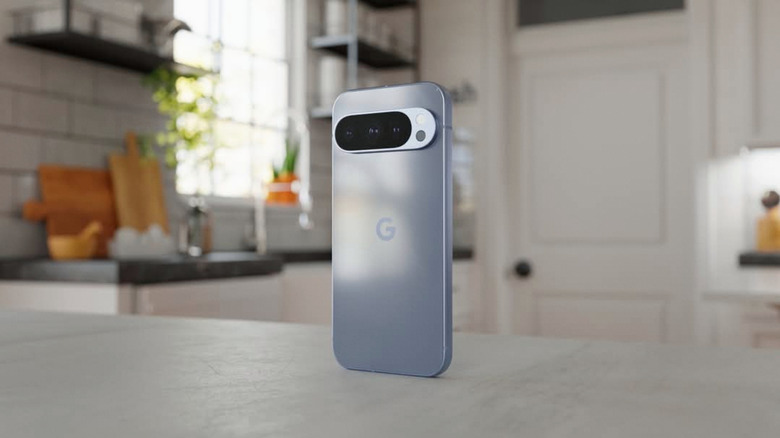
The Pixel 10 Pro emphasizes ambient computing, designed to be the proactive heart of the Google smart home ecosystem. It integrates deeply with Nest devices and Google Home, offering a more fluid software experience. The Material You design language makes the interface feel like a natural extension of the hardware, with colors and icons that shift based on your wallpaper.
One critical regional note: the Pixel 10 Pro is now eSIM-only in the United States. For international travelers who prefer physical SIM cards, this makes the S25 Ultra the only viable choice among the two. Samsung also continues to lead in file transfer speeds with its UFS 4.0 storage standards, making it a better device for those who move large video files frequently.
Verdict: Is the S25 Ultra Worth the Extra Cost?
The Consumer Reports data concluded that the Samsung Galaxy S25 Ultra is a marginally better phone than the Google Pixel 10 Pro, primarily due to its superior performance and longer battery lifespan. If you are a "Gamer" or a "Power User" who values titanium frame durability and raw speed, the S25 Ultra is worth the premium price tag. It is a no-compromise machine that tied for the number one ranking among all smartphones tested in 2026.
However, the Pixel 10 Pro is the choice for the "Minimalist" or the "Photographer." It offers a more soulful software experience and a camera that makes every person look their best. While it may not win the benchmark war, it wins the "ease of use" battle for many average consumers.
Ultimately, Samsung has built a better "computer," but Google has built a more intuitive "phone." For 2026, the S25 Ultra holds the crown, but the margin has never been thinner.
FAQ
Which has a better camera, the S25 Ultra or Pixel 10 Pro?
The Samsung S25 Ultra is better for zoom and versatility, featuring a 100x digital zoom and a 200MP main sensor. The Pixel 10 Pro is superior for portraits, skin tone accuracy, and computational photography, often producing more natural-looking images.
How does the Pixel 10 Pro processor compare to the S25 Ultra?
The S25 Ultra uses the Snapdragon 8 Elite, which is significantly faster in benchmarks and gaming performance. The Pixel 10 Pro uses the Tensor G5, which is optimized for AI tasks and software fluidity rather than raw processing power.
Is the Samsung S25 Ultra more expensive than the Pixel 10 Pro?
Yes, typically the Samsung S25 Ultra carries a higher starting price, reflecting its titanium build, S Pen inclusion, and more expensive Snapdragon chipset.
Does the Pixel 10 Pro have better AI features than Samsung?
It depends on your preference. Google’s AI is more proactive and integrated into the OS (ambient intelligence), while Samsung’s AI offers more manual, creative tools for photo and document editing.
Which phone has better battery life, S25 Ultra or Pixel 10 Pro?
Consumer Reports found that the Samsung S25 Ultra has a longer battery lifespan in real-world usage tests, largely due to the power efficiency of its processor, despite the Pixel having a slightly larger battery capacity.