Quick Facts
- The Orthosomnia Paradox: A clinical condition where the obsessive pursuit of perfect sleep data actually triggers the anxiety that prevents rest.
- Accuracy Gap: Consumer wearables are generally 70-80% accurate compared to clinical polysomnography, often misidentifying stillness as actual sleep.
- The Nocebo Effect: Psychological studies show that receiving a low sleep score from a device can make you feel physically exhausted, regardless of your actual rest quality.
- Demographic Risk: Approximately 23% of young adults report that their wearable devices cause significant stress regarding their sleep habits.
- Long-term Strategy: Experts recommend focusing on weekly trends and subjective feelings rather than fixating on a single night’s digital score.
- Environmental Levers: Prioritizing factors like a 18°C room temperature and morning light exposure is often more effective than digital monitoring.
Orthosomnia is a clinical term describing the obsessive pursuit of perfect sleep metrics generated by wearable devices. This condition occurs when users become overly focused on optimizing their data, leading to hypervigilance and increased sleep tracker anxiety. Ironically, this fixation often prevents the body from achieving natural, restful sleep and can exacerbate existing insomnia symptoms.
We live in an era of quantification. We track our steps, our calories, our heart rate variability, and increasingly, every minute of our unconscious lives. As a mobile devices editor, I have spent years strapped into the latest tech, watching as sensors evolved from simple pedometers to sophisticated tools capable of estimating REM cycles and blood oxygen levels. But there is a hidden cost to this data. A study published in Frontiers in Psychology involving 1,000 adults found that 15% of participants reported their sleep-tracking device increased their worry about sleep, a figure that suggests our quest for better rest might be keeping us awake.
The irony is palpable. You buy a high-end wearable to solve your fatigue, only to find yourself staring at a glowing screen at 3:00 AM, wondering why your deep sleep percentage is so low. This cycle of checking, worrying, and then trying harder to sleep is a direct path to chronic insomnia.
The Rise of Orthosomnia: When Perfection Prevents Sleep
In 2017, researchers from Rush University and Northwestern University coined the term orthosomnia. Derived from ortho, meaning straight or correct, and somnia, meaning sleep, it describes a modern phenomenon where patients are preoccupied with perfecting their wearable sleep data. While biohacking culture encourages us to optimize every biological function, this sleepmaxxing mentality often backfires.
When you become overly concerned with your metrics, you enter a state of hypervigilance. Instead of drifting off naturally, your brain remains in an alert state, scanning for any signs of wakefulness that might ruin your score. This increased sleep latency—the time it takes to fall asleep—is often the first of the signs your wearable is worsening insomnia. You aren't just sleeping anymore; you are performing.
For many, the morning ritual has changed. Before even opening our eyes fully, we reach for the bedside table to see what the app says. If the score is high, we feel validated. If it is low, even if we feel relatively refreshed, we might suddenly feel a wave of phantom tiredness. This psychological feedback loop can be more damaging than the actual lack of sleep. To combat this, orthosomnia management tips often start with a simple rule: do not look at your sleep data until you have been awake for at least an hour and have made a subjective assessment of how you feel.
Accuracy vs. Reality: Interpreting Your Sleep Tracker Scores
To understand why we shouldn't treat our watch like a doctor, we need to look at the technology. Most consumer wearables rely on actigraphy—using accelerometers to track movement—and optical heart rate sensors to estimate sleep stages. While these sensors have improved, they are not a substitute for polysomnography, the gold standard used in clinical sleep labs.
Polysomnography measures brain waves, eye movements, and muscle activity. A wearable on your wrist is merely making an educated guess based on how much you move and the rhythm of your heart. Because of this, most devices have wearable sleep data accuracy limitations that result in a 70-80% correlation with clinical data. They are particularly bad at distinguishing between being awake but perfectly still and being in a state of light sleep.
If you are a quiet sleeper who lies awake for an hour, your tracker might tell you that you had a fantastic, uninterrupted night. Conversely, if you are a restless sleeper who moves a lot during healthy REM cycles, your tracker might give you a failing grade. Interpreting sleep tracker scores requires a healthy dose of skepticism. You are looking for patterns over weeks, not a definitive diagnosis of a single Tuesday night.
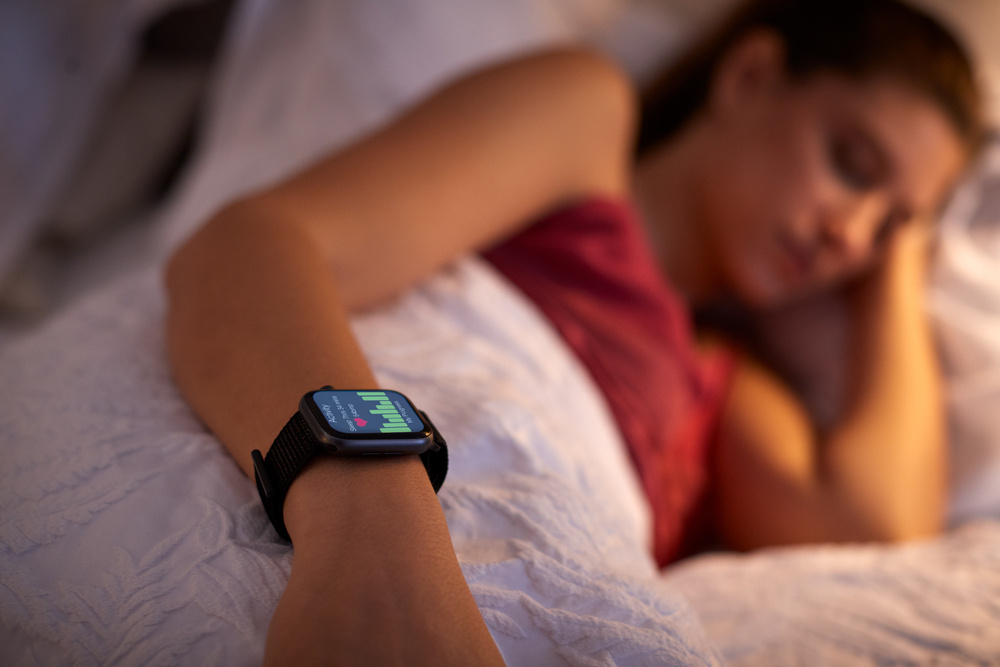
The power of suggestion is perhaps the most dangerous part of the tracking experience. Researchers at Oxford University conducted a fascinating study where they gave participants fake feedback about their sleep. Those who were told they had poor sleep performed worse on cognitive tests and reported feeling more fatigued, even if they had actually slept well. This is the nocebo effect in action. When your app tells you that you are tired, your brain finds a way to make it true. Knowing how to stop obsessing over sleep metrics is essential because the data itself can become a self-fulfilling prophecy of exhaustion.
Why Young Adults are Most at Risk
While tech-induced stress can affect anyone, recent data suggests a significant generational divide. A study from the University of Bergen found that younger users are far more likely to experience negative psychological effects from their health tech. Specifically, managing sleep tracker stress in young adults has become a priority for campus wellness centers.
In the Bergen study, nearly 23% of young adults reported tracker-induced stress, compared to only 2.4% in older demographics. This is likely due to the deeper integration of digital wellness into the lives of Gen Z and Millennials. For a generation raised on gamification and social sharing, a low sleep score isn't just a data point; it feels like a personal failure or a loss of "stats" in the game of life. This performance anxiety turns the bedroom—a place meant for recovery—into a high-stakes environment.
Digital wellness is supposed to empower us, but for many young people, it creates a sense of self-monitoring bias. They begin to trust the device more than their own bodies. If the watch says they are ready for a high-intensity workout but they feel like they have the flu, they might push themselves anyway. Learning to re-sync with internal biological cues is the first step toward recovery for this group.
The Tracking Holiday: How to Reduce Anxiety from Sleep Apps
If you suspect your wearable is doing more harm than good, it might be time for a tracking holiday. This doesn't mean you have to throw your expensive smartwatch away, but you do need to change your relationship with it.
The most effective way to break the cycle is to stop wearing the device to bed for two weeks. During this time, the goal is to reconnect with your subjective sleep quality. How do you feel when you first wake up? Do you have an energy slump at 2:00 PM? Are you irritable? These internal metrics are far more important than a calculated sleep architecture percentage.
As part of your orthosomnia management tips, consider using a manual sleep diary for insomnia during this break. Unlike an app, a manual diary requires you to reflect on your feelings rather than just glancing at a graph. You record when you went to bed, roughly how long it took to fall asleep, and most importantly, your mood and energy levels the next day. This shift from objective metrics to subjective experience helps deconstruct the hypervigilance that keeps the mind racing.
When you do eventually return to your wearable, use it as a secondary tool. Think of it like a weather report—it gives you an idea of the conditions, but you’re the one who decides if you need a coat. If you want to know how to reduce anxiety from sleep apps, start by turning off all sleep-related notifications and only checking the app once a week to look for broad trends.
Designing Better Sleep Without the Screen
Once you remove the stress of the tracker, you can focus on the variables that actually influence sleep quality. Instead of obsessing over heart rate variability on a screen, look at your physical environment. The human body is highly sensitive to circadian rhythm levers that have nothing to do with Bluetooth or Wi-Fi.
One of the most effective levers is light. Getting 10,000 lux of bright light—ideally from the sun—within thirty minutes of waking up sets your internal clock and helps regulate melatonin production for the following evening. Similarly, your bedroom environment plays a massive role. Research consistently shows that a room temperature of approximately 18°C is ideal for deep sleep.
- Temperature: Keep the bedroom cool (18°C) to facilitate the core body temperature drop needed for sleep.
- Light: Block out all blue light at night and seek bright morning sun.
- Air Quality: High levels of CO2 in a closed room can lead to restless sleep; crack a window or use an air purifier.
- Consistency: Go to bed and wake up at the same time every day, even on weekends, to stabilize your circadian rhythm.
By focusing on these biological basics, you are taking the best way to use sleep trackers for better rest—which is often not to use them at all until your baseline is stable. Sleep is a natural, biological process that humans managed quite well for millennia without haptic feedback. Sometimes, the most high-tech thing you can do for your health is to take the watch off.
FAQ
Do sleep trackers make anxiety worse?
For many individuals, yes. The constant monitoring of sleep metrics can lead to a condition called orthosomnia, where the stress of trying to achieve a perfect sleep score triggers the sympathetic nervous system. This state of high alert makes it physically more difficult to fall asleep and stay asleep, creating a cycle of anxiety that worsens the very problem the tracker was intended to solve.
Can tracking sleep cause sleep-related anxiety?
Tracking can definitely cause sleep-related anxiety by turning a restorative process into a performance-based task. When users receive low scores, they may experience the nocebo effect, where they feel more tired and stressed simply because the device told them they slept poorly. This hyper-focus on data often leads to an inability to relax in the bedroom environment.
Is it helpful to use a sleep tracker if you have insomnia?
If you suffer from chronic insomnia, a sleep tracker may actually be counterproductive. Clinical experts often suggest that people with insomnia should avoid trackers because they reinforce the habit of monitoring sleep, which is a key driver of the disorder. Instead of providing helpful data, the tracker often provides more "evidence" for the sufferer to worry about, further cementing the insomnia.
What are the downsides of using a sleep tracker for anxious people?
The primary downsides include increased hypervigilance, the development of orthosomnia, and a reliance on inaccurate data. Anxious people may also struggle with the inherent inaccuracy of consumer devices, which can be 70-80% accurate but fail to account for the nuances of an individual's sleep architecture. This leads to unnecessary worry over meaningless fluctuations in the data.
How can I use sleep data to reduce my daily anxiety?
To use sleep data effectively without increasing anxiety, you should stop checking your scores daily. Instead, look at weekly or monthly trends to see if lifestyle changes—like reducing caffeine or increasing exercise—are having a long-term impact. Always prioritize how you feel subjectively over what the app says, and consider the data as a general guide rather than a clinical truth.