Quick Facts
- Rollout Date: March 3, 2026.
- Core Update: Reintroduction of native YouTube direct messaging for private video sharing and chat.
- Regional Availability: 31 European countries including Germany, France, Italy, and Poland.
- Age Requirement: Users must be 18 or older with a verified Google account.
- Technical Safeguards: Features mandatory AI-driven digital age-gating and moderation.
- Key Benefit: Reduces sharing friction by allowing native sharing experience for Shorts, Live, and long-form content.
- Platform Retention: Designed to keep social signals and interactions within the YouTube ecosystem.
YouTube direct messaging has officially returned in 2026, marking a significant pivot back toward social networking for the video giant. The platform has reintroduced these native private chat features to simplify content sharing and keep users engaged within its own ecosystem, allowing them to share videos and chat without switching to external apps.
The Return of the Inbox: What’s New in 2026?
For many long-time users, the concept of messaging on this platform feels like a nostalgic echo. YouTube originally launched a native chat feature in 2017, only to sunset it in 2019 in an effort to focus on public comments and community posts. However, the digital landscape has shifted dramatically. In a world where Shorts and vertical video dominate attention spans, the "dark social" habit—sharing links via external encrypted apps—became a missed opportunity for the platform.
The 2026 resurrection of YouTube direct messaging is not a simple carbon copy of the old system. It is a sophisticated product resurrection built for a high-speed, mobile-first audience. Unlike the 2019 version, which was often buried in notification tabs, the new interface features a dedicated social inbox. This allows for a more streamlined in-app communication experience, where users can react to specific timestamps in a video or share a trending Short with a single tap.
The data supports this move toward deeper integration. According to recent reports, YouTube reported that more than 30% of daily logged-in viewers on the platform watched live content during the second quarter of 2025. By bringing back direct messaging, the platform is capitalizing on this high engagement, ensuring that when a user sees a viral moment during a live stream, they can immediately invite friends to YouTube direct message and discuss the event in real-time.
| Feature | 2019 Sunset Version | 2026 Resurrection Version |
|---|---|---|
| Core Function | Basic Link Sharing | Deep Video Integration |
| Content Support | Long-form videos only | Shorts, Live Streams, Clips, & Long-form |
| Connection Type | Open URL / Link-based | Invite-only / Verified Connections |
| Safety & Security | Basic Spam Filtering | AI-driven verification & active moderation |
| Interface | Hidden in 'Activity' Tab | Dedicated Social Inbox |
| Social Signals | Minimal impact on algorithm | Integrated into satisfaction metrics |
How to Use YouTube Direct Messaging and Invite Friends
Navigating the new system is designed to be intuitive, removing the "friction" that comes with copying links to external clipboards. To get started, look for the new chat icon located next to the notification bell or within the share menu of any video.
The process begins with an invitation-based system. To maintain a high standard of privacy and prevent unsolicited spam, you cannot simply message any user on the platform. Instead, you must send an invite to friends to start a private chat. Once the recipient accepts your request, they are added to your social inbox, enabling a permanent thread where you can share YouTube videos in private chat indefinitely.
When you are watching a video you want to share, tap the 'Share' button. You will now see a list of your direct contacts at the top of the tray. Selecting a contact immediately opens a mini-player window within the chat, allowing both users to watch and comment simultaneously. This native sharing experience is a significant upgrade from the old method of jumping between apps, which often resulted in a "session drop-off" where users would leave YouTube and not return.
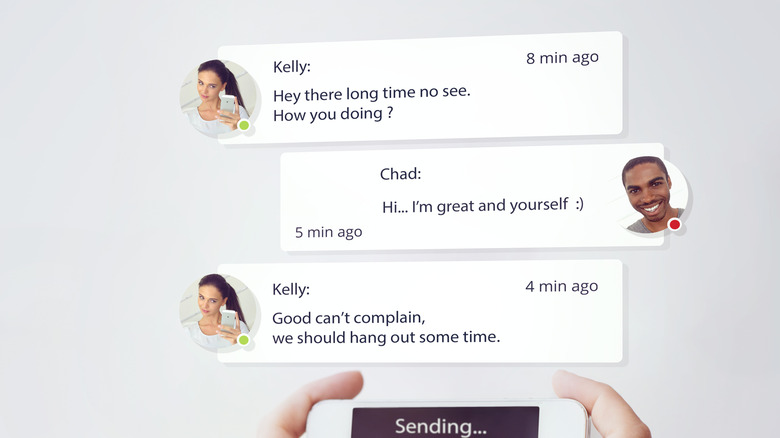
Managing your interactions is handled through the social inbox UI. Here, you can mute conversations, leave group chats, or adjust your YouTube direct messaging privacy settings to control who can send you invites. One of the most praised aspects of the 2026 rollout is that these features are not locked behind a YouTube Premium paywall; they are available to all eligible logged-in users.
Eligibility Checklist: Regions and Age Verification
While the excitement for the return of DMs is global, the current rollout is strategically phased. As of mid-2026, the European market expansion is the primary focus of the testing and implementation phase.
The feature is currently active in 31 European countries. This list includes major markets such as:
- Germany, France, Italy, and Spain.
- Poland and Ireland (where YouTube reintroduced an in-app direct messaging feature for testing in November 2025).
- The Netherlands, Belgium, and Luxembourg.
- Nordic regions including Sweden, Norway, Denmark, and Finland.
- Central and Eastern European markets like the Czech Republic, Hungary, and Romania.
If you are located in the Americas, Asia, or Africa, the YouTube messaging feature available countries list does not yet include your region as of the current 2026 roadmap. The platform is using the European expansion to fine-tune its AI-driven age verification system before a global release.
To access the feature, you must meet strict digital age-gating requirements. Users must be at least 18 years old. The platform utilizes a sophisticated verify age for YouTube messaging feature protocol, which may involve checking the birthdate on your Google account or using AI-based face analysis if the account's age is unverified. This ensures a safer environment for younger users and helps the platform comply with evolving international online safety laws.
Privacy, Safety, and the 2026 Algorithm
In 2026, the way we think about platform safety has evolved. Unlike WhatsApp or Signal, YouTube direct messaging is not end-to-end encrypted. The platform has been transparent about this, explaining that because the tool is built for community building and creator-fan interaction, it employs active moderation to prevent harassment and the spread of prohibited content.
From a technical perspective, these private conversations provide valuable social signals to the 2026 algorithm. In previous years, the algorithm focused heavily on watch time and click-through rates. Now, "session depth" and "social sharing" are key metrics. If a video is frequently shared via YouTube DM, the algorithm views this as a high-satisfaction signal, potentially boosting the video’s visibility in the public recommendation feed.
This shift effectively turns YouTube into a more cohesive social media ecosystem. By keeping the conversation on-platform, YouTube gains better insights into how communities form around niche content. For creators, this means a more direct way to foster community building, as they can now interact with their most loyal fans through more controlled, private channels.
Editor's Tip: If you are concerned about privacy, regularly review your YouTube direct messaging privacy settings. You can set your profile to "hidden" from search for messaging, ensuring that only people you have personally invited can see your active status.
FAQ
Does YouTube still have a direct messaging feature?
Yes, as of 2026, YouTube has officially reintroduced direct messaging. The feature is currently rolling out across 31 European countries, allowing users to share videos and chat privately within the app.
Can you message someone on the YouTube app?
You can message other users provided both you and the recipient are in a supported region, are over 18, and have established a connection through the invitation-based system. You cannot message random strangers without an accepted invite.
Why was the YouTube direct messaging feature removed?
The original feature was removed in 2019 because the platform wanted to focus on public engagement through comments and the Community Tab. However, user demand and the rise of short-form video sharing led to its resurrection in 2026.
Where do I find my messages on YouTube?
Your messages are located in the dedicated Social Inbox. On the mobile app, this is typically found by tapping the chat icon or navigating through the 'Inbox' tab where notifications and mentions are also housed.
Is there a way to chat with subscribers on YouTube?
Creators can use the new messaging features to start group chats or private threads with specific subscribers. This enhances creator-fan interaction by providing a native space for discussion that is more personal than a public comment section.
The return of YouTube direct messaging represents a significant step in the platform's evolution. By bridging the gap between a video repository and a social network, it provides a more seamless, integrated experience for the modern viewer. Whether you are sharing a quick Short or a deep-dive documentary, the ability to do so without leaving the app is a welcome change for the 2026 digital landscape.